Exercise Science Fundamentals
Introduction to Exercise Science
What is Exercise Science?
At its heart, exercise science is the study of how the human body responds to physical activity. It explores the science behind movement, from a leisurely walk to a competitive sprint. This field isn't just for elite athletes or scientists in lab coats. It's for anyone interested in how to move better, feel stronger, and live a healthier life.
It focuses on how a healthy human body works during exercise and how sports and physical activity promote health and performance, ranging from the cellular level to whole body perspectives.
The scope is broad. Exercise science helps us understand how to improve athletic performance, but it also provides vital insights into preventing chronic diseases like heart disease and diabetes. It informs physical therapy practices to help people recover from injuries and guides public health policies to encourage more active communities.
A Team of Sciences
Exercise science isn't a single discipline. Instead, it pulls knowledge from several different fields to create a complete picture of human movement.
Here's a quick look at the key players:
- Physiology: This is the study of how the body's systems function. Exercise physiology looks at what happens to your heart, lungs, and muscles when you're active.
- Psychology: This explores the mind-body connection. Sports psychology, for instance, delves into topics like motivation, focus, and how mental state can affect physical performance.
- Biomechanics: This is the physics of movement. It analyzes the forces acting on the body to improve technique, design better equipment, and reduce the risk of injury.
- Nutrition: This science examines how food and drink affect our bodies. It's crucial for understanding how to properly fuel for activity and recover afterward.
Science in Action
The goal of exercise science is to move beyond guesswork and tradition. Instead, it relies on evidence-based approaches. This means that recommendations for training, rehabilitation, and general fitness are based on rigorous scientific research. Researchers conduct studies to find out what works, for whom, and under what conditions. This commitment to evidence is what makes exercise science so powerful. It provides reliable strategies to help people prevent injuries, enhance their physical abilities, and improve their overall health.
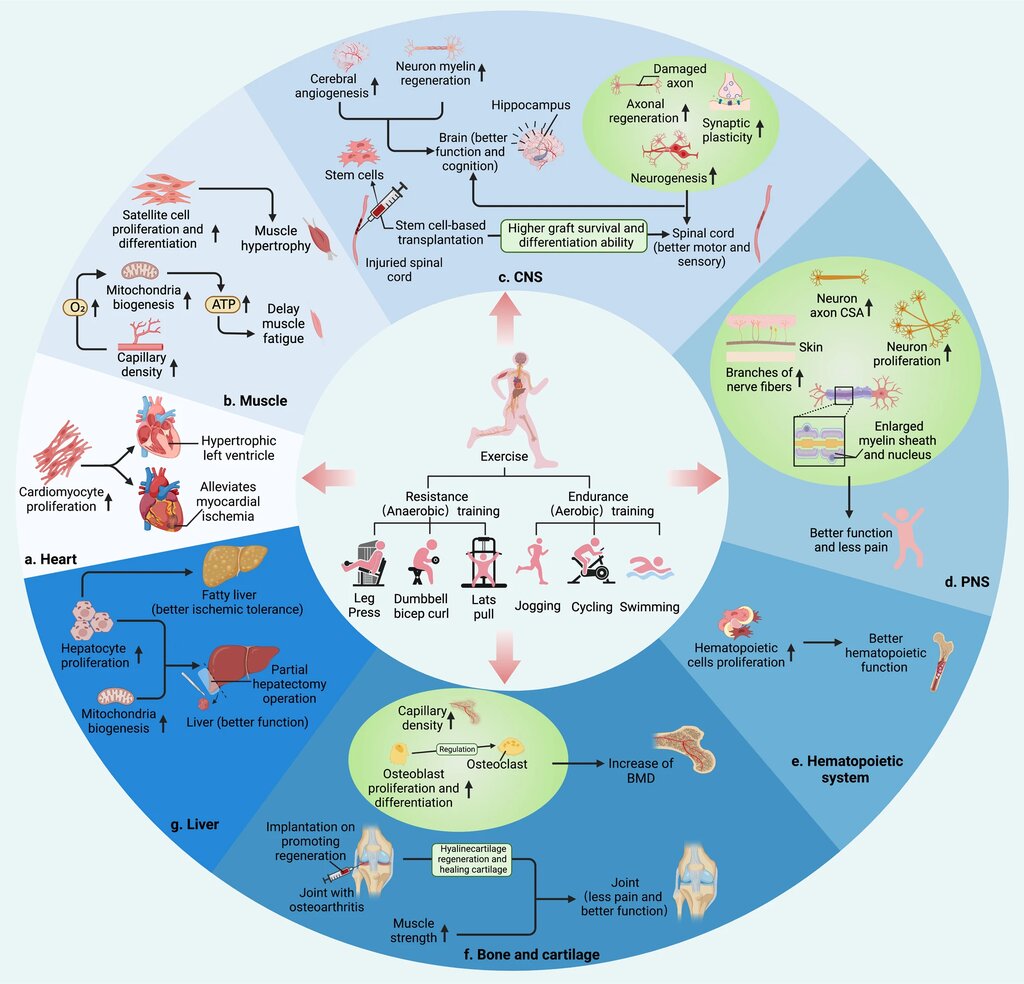
By applying the scientific method, professionals can create safer and more effective exercise programs. Whether it's designing a workout plan for someone new to fitness or refining the conditioning program for a professional sports team, the principles are the same: observe, test, analyze, and apply the findings.
Time to check what you've learned.
What is the primary focus of exercise science?
A researcher analyzing the joint angles and forces on a weightlifter's knee during a squat is working within which sub-discipline?
This foundation gives us a framework for understanding the incredible capacity of the human body for movement and adaptation.