Exercise Physiology Explained
Introduction to Exercise Physiology
What is Exercise Physiology?
At its core, exercise physiology is the study of how the body responds to physical activity. It's a field that explores the immediate and long-term changes that happen when we move, from a gentle walk to a high-intensity sprint. Think of it as the science behind what your body is doing when you're not sitting still.
Physiology
noun
The branch of biology that deals with the normal functions of living organisms and their parts.
This isn't just about elite athletes trying to shave seconds off a record. It's about understanding how exercise can prevent chronic diseases, improve mental health, and help us maintain our quality of life as we age. It answers fundamental questions: Why do we breathe harder when we climb stairs? How do muscles get stronger? What allows some people to run marathons while others get tired walking up a hill?
Why It Matters
Understanding exercise physiology is crucial for health and wellness. It provides the scientific foundation for designing effective workout programs, creating rehabilitation plans after an injury, and offering public health recommendations. By learning how our bodies work, we can make smarter choices about how to keep them running well.
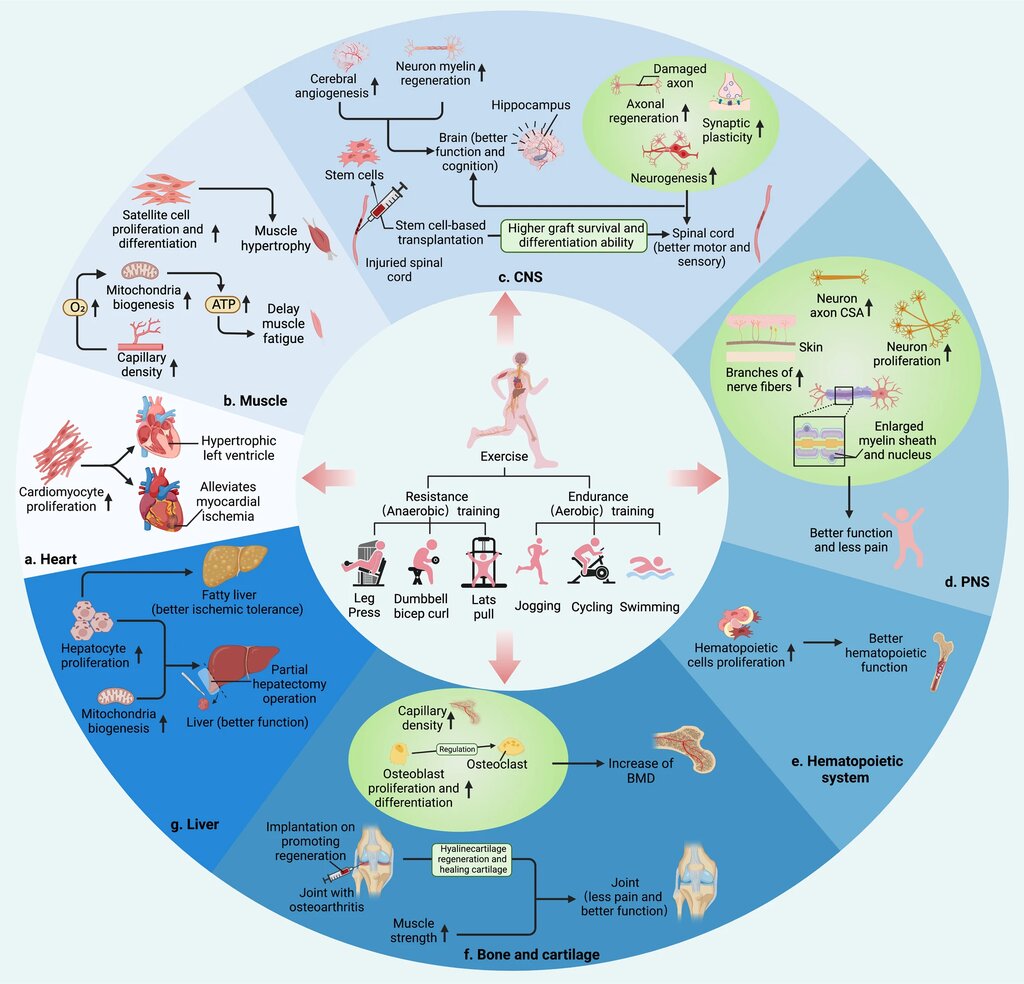
This knowledge helps us appreciate that exercise isn't just about burning calories. It's a powerful stimulus that sets off a cascade of positive changes throughout the body. To understand these changes, we need to look at the systems that do the heavy lifting.
The Body's Major Players
When you exercise, your body functions like a well-coordinated team. Several physiological systems jump into action, each with a specific job. The main players are the cardiovascular, respiratory, musculoskeletal, and endocrine systems.
The Cardiovascular System: This is your body's delivery network. The heart, blood, and blood vessels work to pump oxygen-rich blood to your working muscles and carry away waste products like carbon dioxide.
The Respiratory System: Made up of your lungs and airways, this system is responsible for gas exchange. It brings oxygen from the air into your blood and removes the carbon dioxide that your muscles produce.
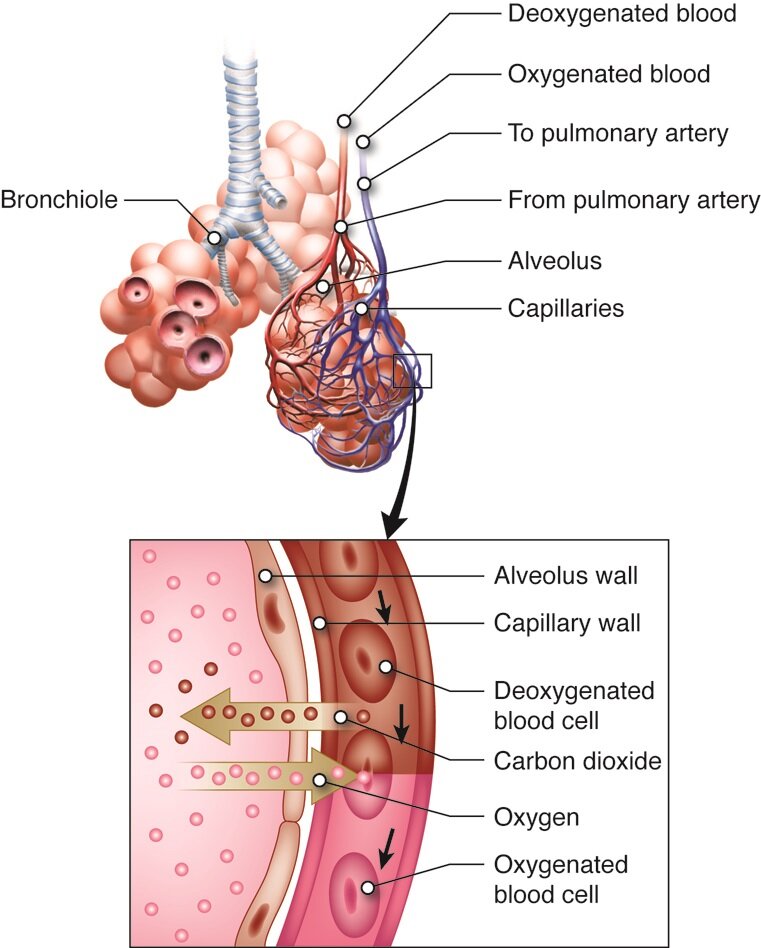
The Musculoskeletal System: This is the engine of movement. Your bones provide the structure, and your muscles contract to create the force that moves your body. Exercise directly challenges this system, leading to adaptations that make it stronger and more efficient.
The Endocrine System: This is your body's chemical messaging service. It uses hormones like adrenaline to regulate energy use, manage stress, and control many of the body's responses to exercise. It helps orchestrate the teamwork between all the other systems.
Together, these systems manage the body's response to the demands of physical activity. Exercise physiology examines both the acute, or immediate, responses during a single bout of exercise and the chronic, long-term adaptations that occur over weeks and months of consistent training.