Exercise for a Longer Healthier Life
Understanding Exercise and Longevity
The Body in Motion
Our bodies are designed to move. For most of human history, physical activity wasn't a choice—it was a necessity for survival. Today, while we may not need to chase down our next meal, the fundamental link between movement and health remains unchanged. Regular exercise is one of the most powerful tools we have for extending not just our lifespan, but our healthspan: the years we live in good health, free from debilitating disease.
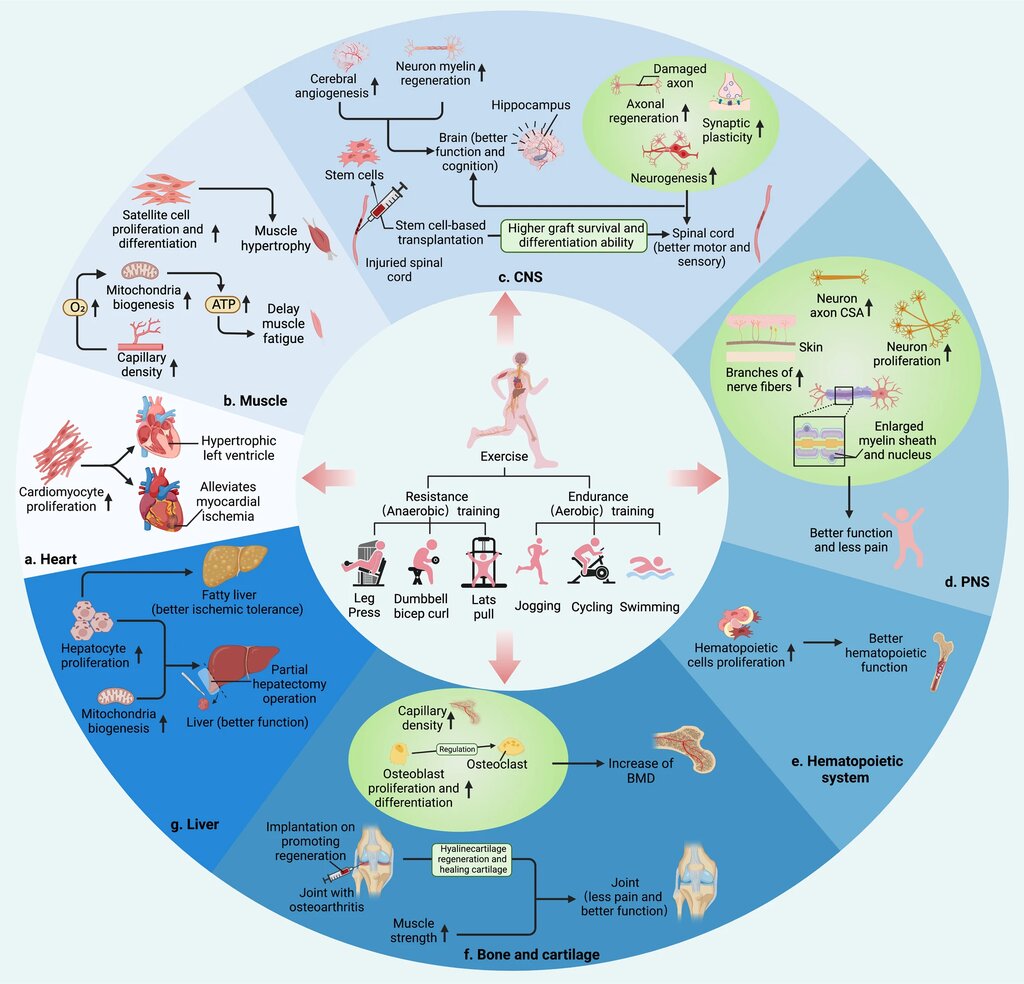
The benefits go far beyond weight management. At a cellular level, exercise triggers a cascade of positive changes. It strengthens our heart, sharpens our metabolism, and fortifies our muscles and bones. Think of it as a tune-up for your entire system, keeping everything running smoothly for longer.
Heart, Muscles, and Metabolism
Your heart is a muscle, and like any muscle, it gets stronger with work. Aerobic exercise, like brisk walking or cycling, challenges your heart to pump blood more efficiently. Over time, this leads to a lower resting heart rate and reduced blood pressure, lessening the daily strain on your most vital organ. It also helps improve cholesterol levels, keeping blood vessels clear and reducing the risk of blockages.
Beyond the heart, exercise is crucial for maintaining strength and metabolic balance. Resistance training builds and preserves muscle mass, which is vital as we age. Muscles are metabolically active tissues; they act like sponges for blood sugar, pulling glucose from the bloodstream to use for energy. This process improves insulin sensitivity and is a powerful defense against type 2 diabetes. Strong muscles also support our joints and bones, improving stability and reducing the risk of falls and fractures.
Strength training plays a pivotal role in maintaining and enhancing seniors’ health, particularly in preserving balance and mobility.
Activity, Not Perfection
The great news is that you don't need to become a marathon runner to reap these rewards. The key is consistency. Finding activities you enjoy is the secret to sticking with them long-term.
The best exercise for longevity is the one you'll actually do.
A well-rounded routine includes different types of movement:
- Aerobic Exercise: Activities that raise your heart rate, like jogging, swimming, or dancing. This is essential for cardiovascular health.
- Strength Training: Using weights, resistance bands, or your own body weight to build muscle. Aim for a couple of sessions per week.
- Flexibility and Balance: Practices like yoga or simple daily stretching improve your range of motion and help prevent injury.
Even small bursts of activity throughout the day add up. Taking the stairs, walking during a phone call, or doing a few squats while waiting for your coffee to brew can make a meaningful difference. The goal is to weave movement into the fabric of your life, making it a habit as natural as brushing your teeth.
What is the primary benefit of aerobic exercise, like brisk walking or swimming, for the cardiovascular system?
How does resistance training contribute to preventing type 2 diabetes?
Ultimately, regular physical activity is a powerful investment in your future self, helping you build a more resilient body and a longer, healthier life.