Executive Cross-Functional Project Leadership
Foundations of Cross-Functional Project Management
Breaking Down the Silos
In many traditional companies, teams are organized by function. You have the marketing department, the engineering department, the sales department, and so on. Each group works on its own piece of the puzzle, and information flows up and down within these vertical silos. This structure can be efficient for specialized tasks, but it often slows things down when different departments need to work together on a single project.
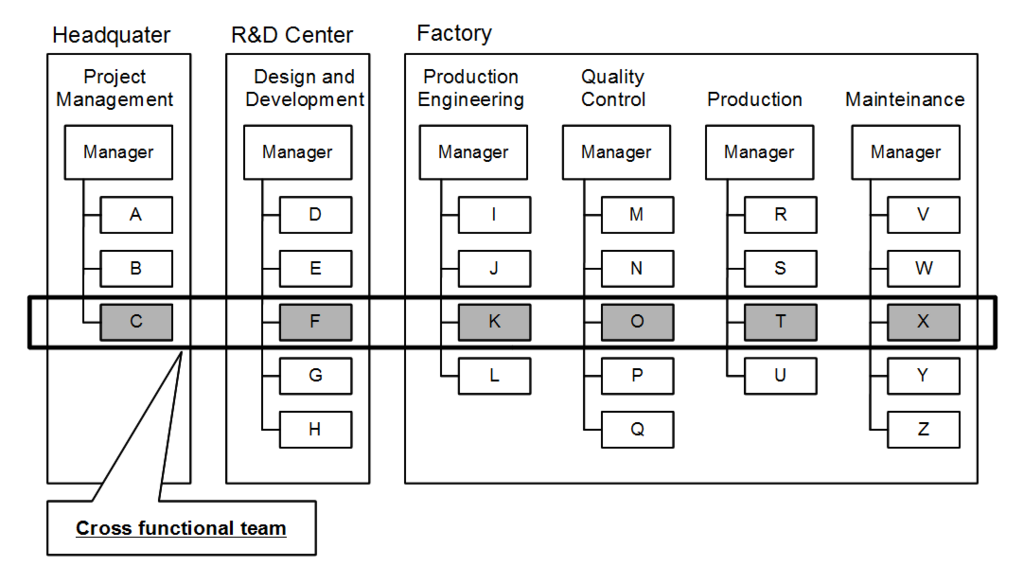
Cross-functional project management takes a different approach. Instead of keeping experts separate, it brings them together onto one team dedicated to a specific project. This team includes members from every department relevant to the project's success. An engineer, a marketer, a designer, and a finance expert might all work together from start to finish.
By contrast, cross-functional teams bring together individuals from different departments to collaborate on shared objectives.
The goal is to unite diverse skills and perspectives to tackle a common goal. This structure is flatter and more collaborative, designed to move faster and adapt more quickly to challenges.
The Benefits of Collaboration
When you bring people with different expertise together, you get a much richer view of the project. A designer might see a usability issue that an engineer missed, while a sales representative can provide immediate feedback on what customers will actually want. This leads to better, more well-rounded products and solutions.
With everyone in the same room (virtual or otherwise), decisions can be made faster. There's no need to send requests up one departmental chain and wait for them to come down another. Problems are identified and solved more quickly because all the necessary experts are already on the team.
This approach also boosts organizational efficiency. Team members gain a better understanding of how other parts of the business operate. An engineer learns about marketing constraints, and a marketer gets a glimpse into the development timeline. This shared knowledge helps everyone make smarter decisions and fosters a stronger sense of shared ownership over the project's success.
Common Hurdles to Overcome
Of course, this way of working isn't without its challenges. One of the biggest is navigating competing priorities. A team member on a cross-functional project still reports to their regular department manager. Their department might have its own goals and deadlines, which can clash with the project's needs. Whose work takes priority?
Communication can also be a hurdle. Each department has its own jargon, work style, and culture. A term that’s common in marketing might be completely foreign to someone in engineering. Without a conscious effort to create a shared language and clear communication channels, misunderstandings can easily arise.
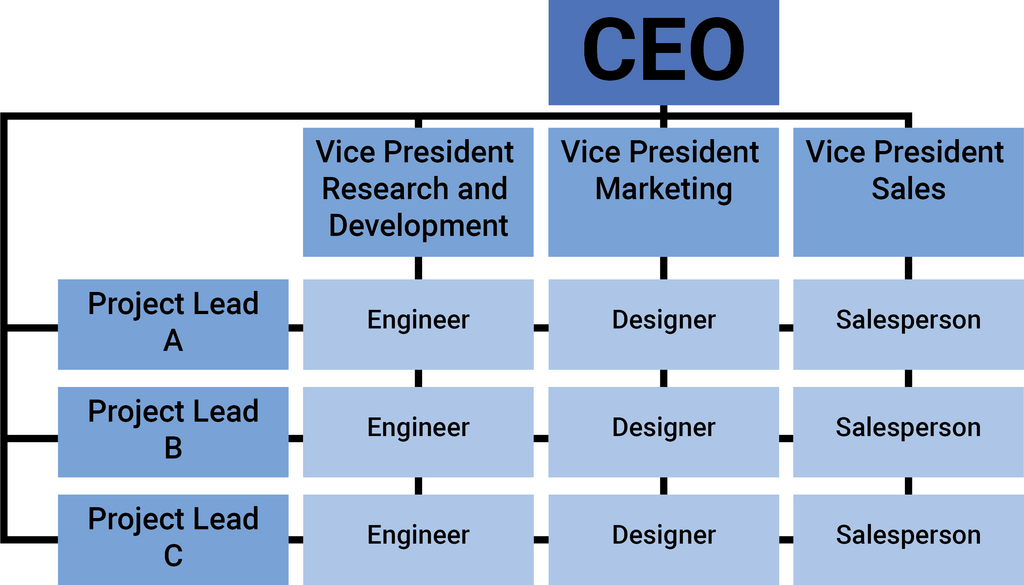
Finally, there can be a lack of clear authority. The project manager leads the project, but they don't have direct authority over team members in the same way a department head does. This requires the project manager to lead through influence and collaboration rather than direct command.
The Role of Leadership
For cross-functional teams to succeed, support from executive leaders is non-negotiable. Leaders are responsible for championing this collaborative approach and making it clear that it's a priority for the organization. They set the tone from the top.
Executive leadership must also clearly define the project's goals and how it aligns with the company's broader strategy. When everyone understands the 'why' behind the project, it’s easier to align different departmental interests. Leaders are also responsible for allocating the necessary resources—time, budget, and people—and empowering the team to make decisions.
Crucially, leaders must help resolve conflicts and remove roadblocks. When departmental priorities clash, it's often up to senior leadership to step in and make the final call, ensuring the cross-functional project stays on track.
Clear and consistent communication is the glue that holds a cross-functional team together. It ensures that everyone is on the same page, understands their responsibilities, and is aware of the project's progress. Without it, even the most talented team can drift apart.
What is the primary difference between a cross-functional team and a traditional, functionally-organized department?
Which of the following is identified as a major challenge for cross-functional project management?
By understanding these fundamentals, organizations can begin to harness the power of cross-functional teams to drive innovation and achieve their goals more effectively.