Executive Coaching for CXOs
C-Suite Psychological Dynamics
The Loneliness at the Top
Moving into the C-suite is often seen as the peak of a career. But it comes with a unique set of psychological challenges that go beyond simple workplace stress. The phrase “it’s lonely at the top” isn’t just a cliché; it’s a documented phenomenon with neurological roots. When an executive transitions from leading a team to leading an enterprise, their social connections fundamentally change. They move from a network of peers to a position where they are the final authority, creating a distinct social distance.
This isolation isn't just a feeling; it triggers real physiological responses. The human brain is wired for social connection. When that connection is reduced, especially in high-stakes environments, the amygdala—the brain’s threat detection centre—can become overactive. This kicks off a cascade of stress hormones like cortisol, which, over time, impairs executive functions governed by the prefrontal cortex. This includes strategic thinking, impulse control, and complex decision-making. The very skills an executive needs most are the ones compromised by the isolation of their role.
This neurological impact creates a vicious cycle. An executive feels isolated, which impairs their judgment, potentially leading to decisions that further alienate their team and deepen their isolation. Executive coaching plays a critical role in breaking this cycle by helping leaders build new kinds of support systems and self-awareness to counteract these neurological effects.
Strengths, Traps, and Identity
The very qualities that help someone climb the corporate ladder can become obstacles in the C-suite. This is the essence of the 'Success Trap'. A manager who was promoted for their meticulous attention to detail might struggle to delegate effectively as a CEO. A brilliant functional expert in finance may have trouble trusting the judgment of their marketing or operations chiefs. Their past formula for success is so deeply ingrained that it creates a psychological resistance to the new behaviours required for enterprise-level leadership.
This resistance is tied to a difficult but necessary 'Identity Shift'. An executive must transition from being the person with all the answers in a specific domain to being the person who asks the right questions across all domains. Their identity must evolve from 'doer' to 'enabler'. This shift can be deeply unsettling and is a prime trigger for imposter syndrome, even in the most accomplished leaders. Suddenly, they are in rooms where they are not the subject matter expert, and the fear of being exposed as unqualified can be paralysing.
Coaches help executives navigate this by using cognitive reframing. For example, the feeling of not being the smartest person in the room is reframed from a threat to a strength. It becomes a sign that the executive has hired well and is effectively leveraging the collective intelligence of their team. The coach acts as a confidential sounding board, helping the leader consciously unlearn old habits and build a new identity grounded in enterprise-wide vision and trust.
Most leaders default to instinct under stress. Elite CEOs default to mental models: decision-making frameworks that compress complexity into clarity and replace panic with precision.
Resilience in the Boardroom
The sheer volume and weight of decisions an executive makes can lead to 'decision fatigue'. Each choice, big or small, depletes a finite reserve of mental energy. When this energy is low, leaders are more likely to make impulsive choices, avoid decisions altogether, or default to the safest, least innovative option. This is compounded by the constant pressure of being the organisation’s cultural architect. Every action, word, and even casual remark is scrutinised and interpreted, setting the tone for the entire company.
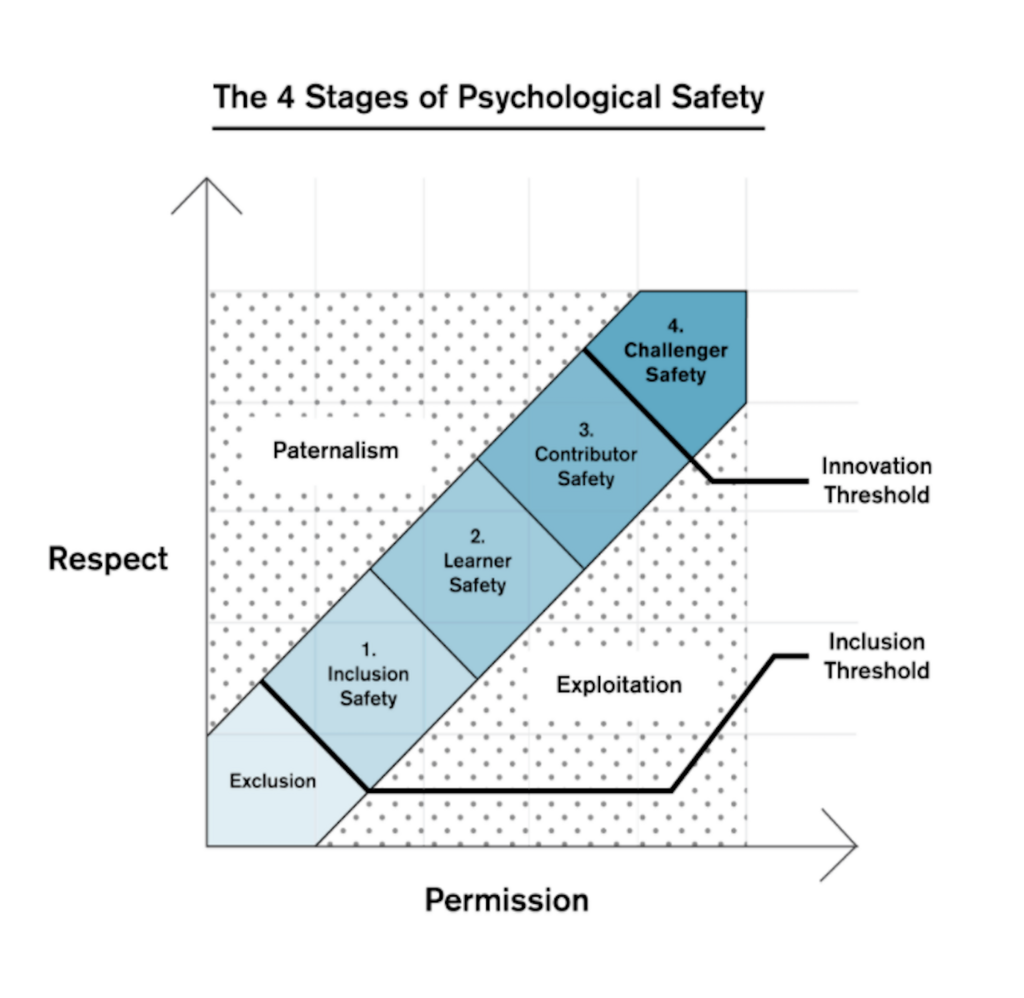
Building emotional resilience is therefore not a soft skill; it’s a core competency. It's the ability to absorb the pressure, manage decision fatigue, and maintain mental clarity. Coaches work with executives to build routines that conserve mental energy. This includes systematising smaller decisions, scheduling blocks for deep work, and practising detachment to recover from stressful meetings. A key aspect of this is fostering psychological safety within the leadership team and the boardroom. When executives feel safe enough to be vulnerable, admit they don’t know something, or challenge an idea without fear of reprisal, the quality of decision-making improves dramatically. A psychologically safe boardroom distributes the cognitive load, reducing the isolation and fatigue of the top leader.
Ultimately, coaching at this level is about helping leaders manage their own psychology so they can effectively manage the organisation. It’s about building the resilience to not just survive the pressures of the C-suite, but to thrive within them, guiding the company with a clear and steady hand.
According to the text, what is the direct neurological consequence of the social isolation often experienced by C-suite executives?
A newly appointed CEO, who was promoted for their exceptional skill in managing supply chains, finds themselves micromanaging the logistics department and struggling to trust the judgement of their heads of marketing and finance. This is a classic example of what concept?
By understanding these complex dynamics, executive coaches can provide targeted, effective support that addresses the real, often hidden, challenges of top-tier leadership.