Excellence in PE Teaching Japanese Work Ethic
Japanese Work Ethic
The Path of Constant Improvement
In Japanese culture, the pursuit of excellence isn't about giant leaps or sudden breakthroughs. Instead, it's a philosophy of small, consistent steps forward. This concept is known as kaizen.
improvement
At its core, kaizen is about continuous improvement. It suggests that making small, incremental changes every day leads to significant progress over time. This idea took hold in Japanese businesses after World War II, revolutionizing manufacturing and management. But its application goes far beyond the factory floor.
For an educator, kaizen is a mindset. It’s the practice of looking at your teaching each day and asking, "How can I make this 1% better?" It’s not about overhauling your entire curriculum overnight. It might mean refining the way you explain a rule, finding a clearer way to give feedback, or improving how you organize your equipment. These tiny adjustments, compounded over a school year, create a powerful engine for professional growth.
Kaizen is a continuous improvement philosophy that aims to improve processes and eliminate waste.
Adopting this approach fosters a culture of self-reflection rather than self-criticism. It removes the pressure of perfection and replaces it with the manageable goal of simply being a little better than you were yesterday.
Guiding Principles for the Hall
While kaizen provides the method for improvement, Dōjō Kun provides the ethical compass. Originating from martial arts, these are the rules or principles of a training hall (dōjō). They aren't just for students; they are a code of conduct for the instructor, guiding their actions and shaping the learning environment.
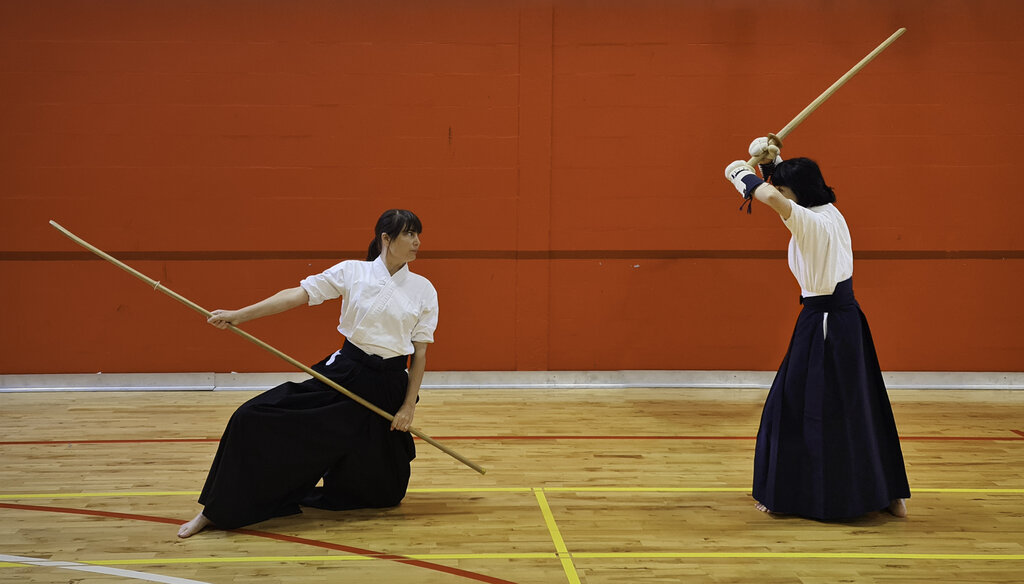
While the exact wording can vary, the core tenets are universal and directly applicable to teaching. A common set of principles includes:
Seek perfection of character. This is a lifelong journey. For a teacher, it means striving to be patient, fair, and inspiring. It’s about modeling the behavior you wish to see in your students.
Be faithful. This translates to being sincere and trustworthy. It means being true to your word, upholding the rules consistently, and acting with integrity.
Endeavor. This is the spirit of perseverance. It's about putting forth your best effort, even on difficult days, and encouraging a resilient, can-do attitude in your students.
Respect others. This is fundamental. It involves valuing each student as an individual, listening to their perspectives, and fostering a safe, inclusive environment where everyone feels they belong.
Refrain from violent behavior. In a teaching context, this extends beyond the physical. It means controlling your temper, communicating calmly, and avoiding harsh or demeaning language. It’s about leading with composure and strength of character.
Integrating these principles creates a foundation of trust and respect, turning a gym or field into a place of profound character development, not just physical training.
Together, kaizen and Dōjō Kun offer a powerful framework. One provides the engine for continuous growth, while the other steers that growth in an ethical, meaningful direction. By embracing this dual philosophy, an educator commits not only to becoming a better teacher but also to building a better learning environment.