Excel on the ELPAC Test
ELPAC Overview
What is the ELPAC?
The ELPAC, which stands for English Language Proficiency Assessments for California, is a set of tests used to measure how well students are developing their English skills. If English isn't your first language, this test helps your school understand your progress and how to best support you.
There are two main versions. The Initial ELPAC is for students who are new to a California school and might be English learners. The Summative ELPAC is given every year to track the progress of current English learners. This overview focuses on the Summative ELPAC.
The test is divided into four key areas, called domains, that cover the main ways we use language: Listening, Speaking, Reading, and Writing.
The Four Domains
The ELPAC assesses both how you understand English (receptive skills) and how you use it (expressive skills). Listening and Reading are receptive, while Speaking and Writing are expressive. Each domain includes different types of questions to see what you can do.
| Domain | What It Measures | Common Task Types |
|---|---|---|
| Listening | Your ability to understand spoken English in different situations. | Following oral directions, listening to a story and answering questions, understanding classroom discussions. |
| Speaking | Your ability to express your thoughts and ideas out loud. | Answering questions, describing a picture, giving a short presentation on a topic, retelling a story. |
| Reading | Your ability to understand written English. | Reading stories and articles, understanding literary and informational texts, answering comprehension questions. |
| Writing | Your ability to communicate your ideas in writing. | Writing about a topic, describing an event, stating and supporting an opinion, summarizing information. |
Aiming for Level 4
Your performance on the ELPAC is described by one of four levels. Level 1 means you are just beginning to develop your English skills, while Level 4 means your skills are well developed. The goal for most students is to reach Level 4.
A Level 4 score shows that you have strong English skills and are ready to handle the academic demands of a regular classroom without needing specialized language support.
What's the difference between Level 3 and Level 4? A student at Level 3 has moderately developed English skills. They can use English for most day-to-day communication but might still struggle with complex academic language, grammar, or vocabulary.
A student at Level 4, on the other hand, can use English effectively in both social and academic settings. They can understand and discuss complex ideas, use a wide range of vocabulary, and make few grammatical errors. They are comfortable switching between formal and informal language as needed.
Scores and Reclassification
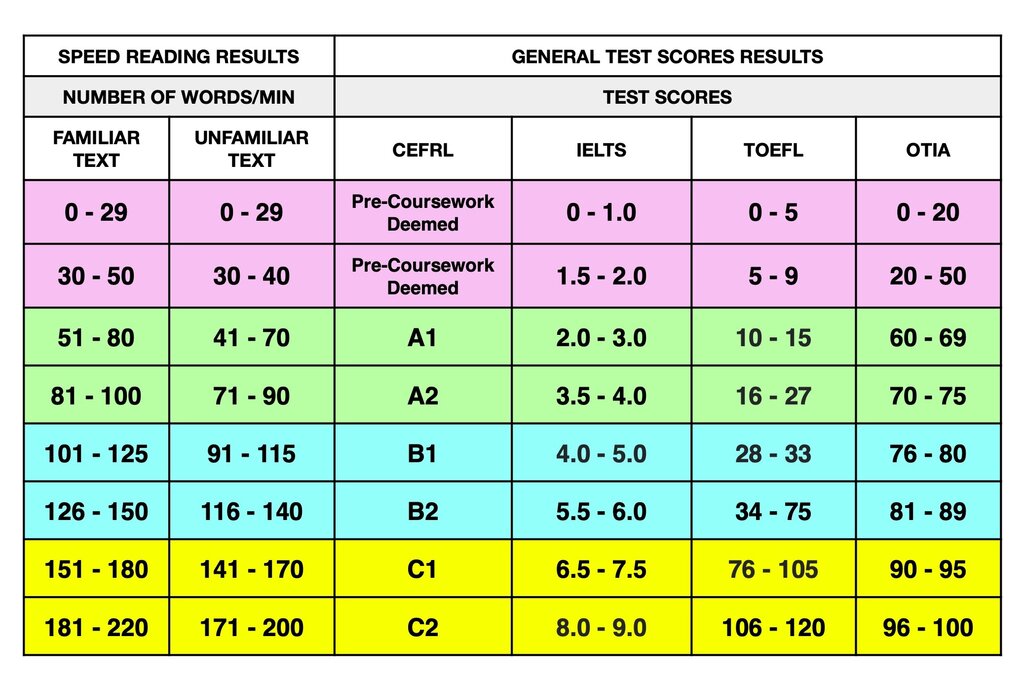
The ELPAC uses a scoring system that gives you a scale score for each domain and an overall score. These scores place you into one of the four performance levels. While the exact score ranges can change slightly from year to year, each level corresponds to a specific range of scores that reflects a student's abilities.
The ultimate goal of the ELPAC is to help determine when an English learner is ready for "reclassification." Reclassification means a student is no longer considered an English learner and has demonstrated the English skills needed to succeed in school.
Achieving an overall score of Level 4 on the Summative ELPAC is the first and most important step toward reclassification. Your school district will also look at other factors, like your grades in regular classes and teacher recommendations, but a strong ELPAC score is the key that opens the door. Reclassification is a major milestone that celebrates your hard work and progress in learning English.
What is the primary purpose of the Summative ELPAC?
Which of the following ELPAC domains are considered "expressive" language skills?
Understanding the ELPAC is the first step in preparing for it. Knowing what each section tests and what's expected for a Level 4 performance will help you focus your efforts and track your progress.