Excel as a Product Manager
User-Centric Thinking
Start with the User
Great products don't just appear out of thin air. They aren't born from a single flash of genius or a long list of cool features. The best products, the ones people love and use every day, start from a simple, powerful idea: putting the user at the center of everything. This is called user-centric thinking.
Being user-centric means you're obsessed with understanding the people you're building for. What are their goals? What frustrates them? What does a 'good day' look like in their world? Instead of guessing what people want, you make it your job to find out. Every decision, from the big picture strategy to the smallest design detail, is guided by the needs of the user.
User-centric design places the end user at the forefront of product development.
Core Principles
A user-centric mindset isn't just a vague feeling. It's built on four key principles that guide how you work.
1. Deep Empathy
Empathy is the foundation. It’s the ability to step into your users' shoes and see the world from their perspective. It goes beyond just knowing who they are (e.g., 'marketing managers, age 30-40'). It’s about understanding their motivations, their context, and the challenges they face. You build empathy by talking to users, observing them in their natural environment, and truly listening to their stories.
Empathy
noun
The ability to understand and share the feelings of another.
2. Problem-First Thinking
It's easy to get excited about a cool new feature or technology. A user-centric approach forces you to slow down and ask, 'What problem are we actually trying to solve?' By focusing on the problem first, you ensure you're building something that provides real value. If you can't clearly state the user's problem, you're not ready to think about the solution.
Falling in love with the problem, not the solution, is the key to creating products people genuinely need.
3. Inclusive Collaboration
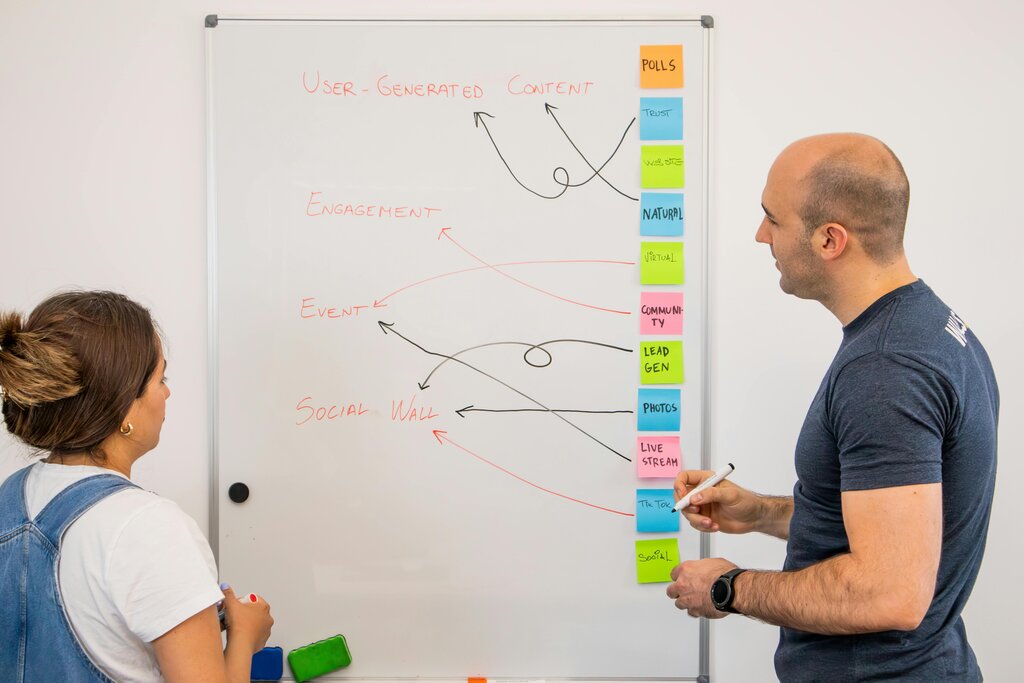
Understanding the user isn't a one-person job. It's a team sport. A user-centric approach brings together diverse perspectives from engineering, design, marketing, and, most importantly, the users themselves. Everyone on the team should feel a connection to the user and their needs. This shared understanding leads to better ideas and a more cohesive product.
4. Data-Informed Decisions
Empathy and collaboration give you hypotheses about your users. Data helps you validate them. This includes both qualitative data (like user interviews and feedback) and quantitative data (like analytics on how people use your product). Decisions aren't based on opinions or hunches. They're informed by real evidence about user behavior and needs, helping you iterate and improve continuously.
The Payoff
Adopting a user-centric approach takes effort, but the benefits are huge. When you focus on solving real problems for real people, you build products that are more likely to succeed. Users are happier, more engaged, and more loyal because the product feels like it was designed just for them. It also reduces risk, because you're constantly checking your assumptions with actual users instead of building for months in isolation only to find out you missed the mark.
| Feature-Focused Approach | User-Centric Approach |
|---|---|
| Starts with 'What can we build?' | Starts with 'What problem can we solve?' |
| Success is shipping features. | Success is improving users' lives. |
| Relies on assumptions. | Relies on evidence and empathy. |
| Often results in complex, unused features. | Results in intuitive, valuable products. |
Now, let's test your understanding of these core ideas.
What is the core idea behind user-centric thinking in product development?
A product team is developing a new mobile banking app. Which of the following activities best demonstrates the principle of 'deep empathy'?
Ultimately, user-centric thinking is a mindset shift from building for people to building with people. It’s the most reliable path to creating products that matter.