Excavation and Site Prep for Garden Irrigation
Site Marking and Layout
From Plan to Plot
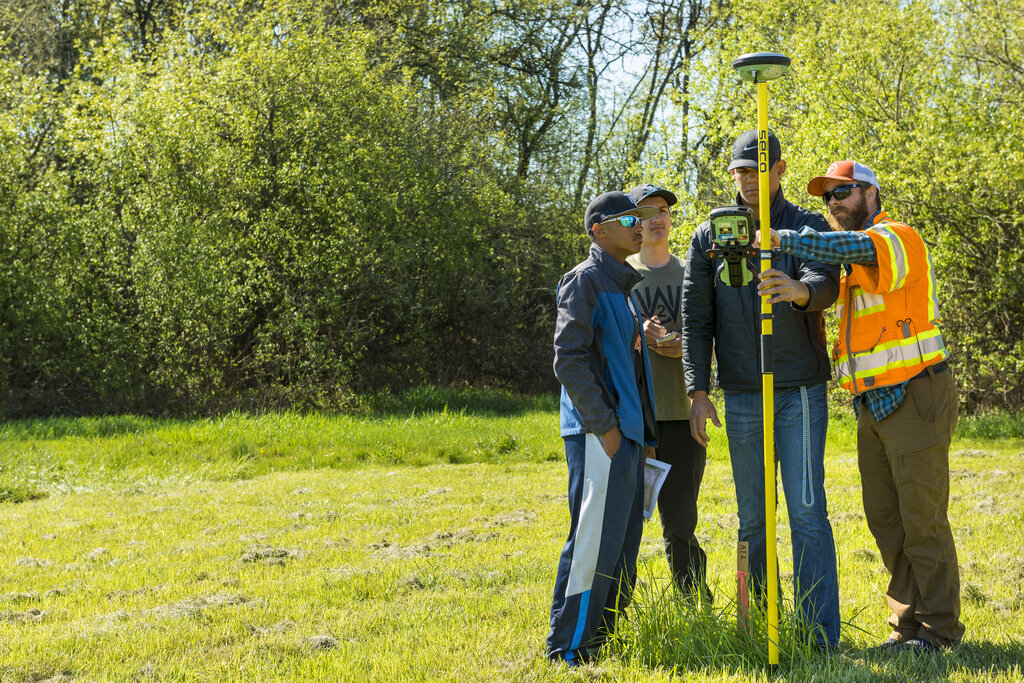
The first step in bringing an irrigation design to life is translating the plan from paper or a screen onto the actual ground. This process isn't just about copying lines; it's about interpreting the design within the real-world context of the landscape. Your most important tools for this stage will be survey marking flags or a can of inverted marking paint.
Begin by locating the heart of the system: the solenoid valve manifold. Find the spot designated on your plan and mark it clearly. This is your primary reference point from which all other measurements and pipe runs will originate. Place a cluster of flags or a distinct paint mark here. Once the manifold location is set, do the same for each sprinkler head or drip line emitter, ensuring your marks are precise and highly visible.
Marking the Routes
With the key components located, it's time to mark the path for the pipes. Using your plan as a guide, lay out the intended routes for the LDPE pipe runs with paint or flags. Think of the lines on your plan as a suggestion, not a strict command. The goal is to find the most efficient route that balances minimising trenching distance with avoiding obstacles. A straight line is the shortest path, but it's not always the smartest one.
Walk the entire marked layout. Does it look right? Do the pipe runs seem logical and efficient? Visualising the full system on the ground before digging can reveal issues that aren't obvious on paper.
Navigating Obstacles
Before breaking ground, you must identify and flag all existing underground utilities. This is a critical safety measure. In many regions, a free service (like 'Dial Before You Dig') will send professionals to locate and mark public utilities like gas, water, and electrical lines. Use conventions, typically colour-coded flags or paint, to make these areas clear. Forgetting this step is dangerous and can lead to costly repairs.
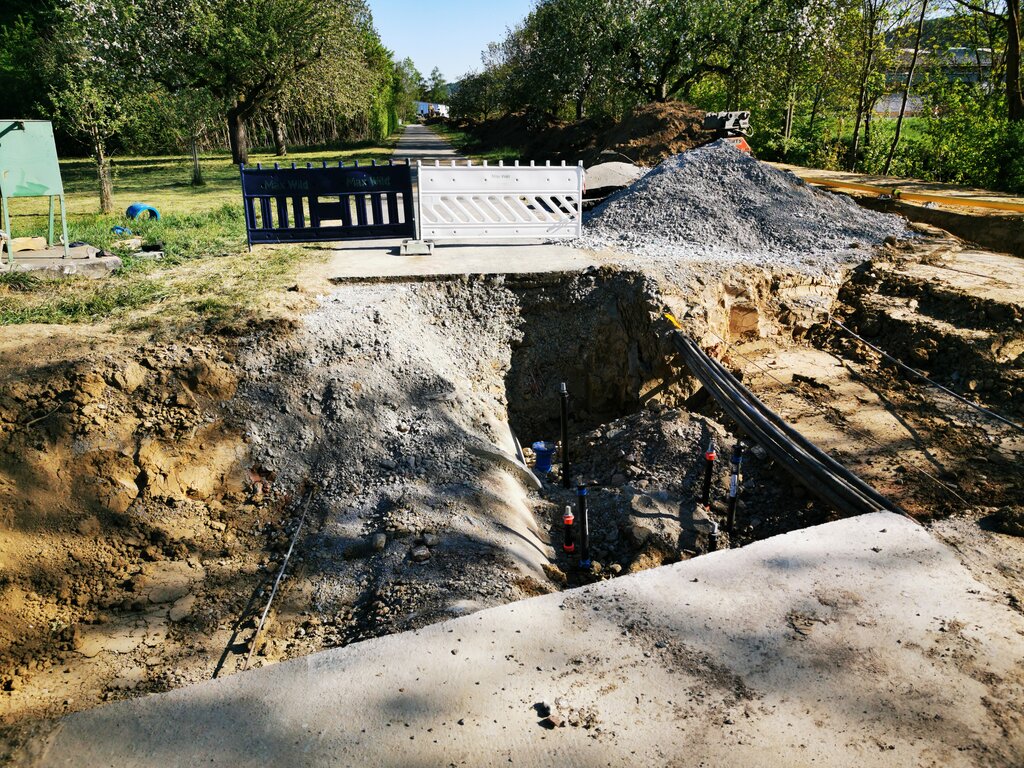
Beyond marked utilities, you'll encounter other fixed obstacles. Mature tree roots, concrete pathways, retaining walls, and other hardscaping elements must be navigated. When you encounter a root system from a valuable tree, it's far better to route the pipe around it than to risk damaging the tree. Your goal is to adjust the marked pipe run to create a smooth, gently curving path that avoids these issues without creating sharp bends that could restrict water flow.
Now, let's test your knowledge on marking a site for installation.
What is the primary reference point you should locate and mark first when laying out an irrigation system on the ground?
When marking out a pipe run from your plan, you encounter the large root system of a mature, valuable tree. What is the best course of action?
With your layout marked and all obstacles accounted for, you have a clear blueprint on the ground, ready for excavation.