Evolving Christian Worship Trends
Introduction to Contemporary Christian Worship
From Hymns to High-Tech
Early Christian worship looked very different from a typical Sunday service today. Small groups gathered in homes, sharing meals, prayers, and stories. The services were intimate and simple. Over centuries, as Christianity grew, worship became more formal and structured. Grand cathedrals were built, and services filled with liturgy, chants, and rituals conducted by clergy.
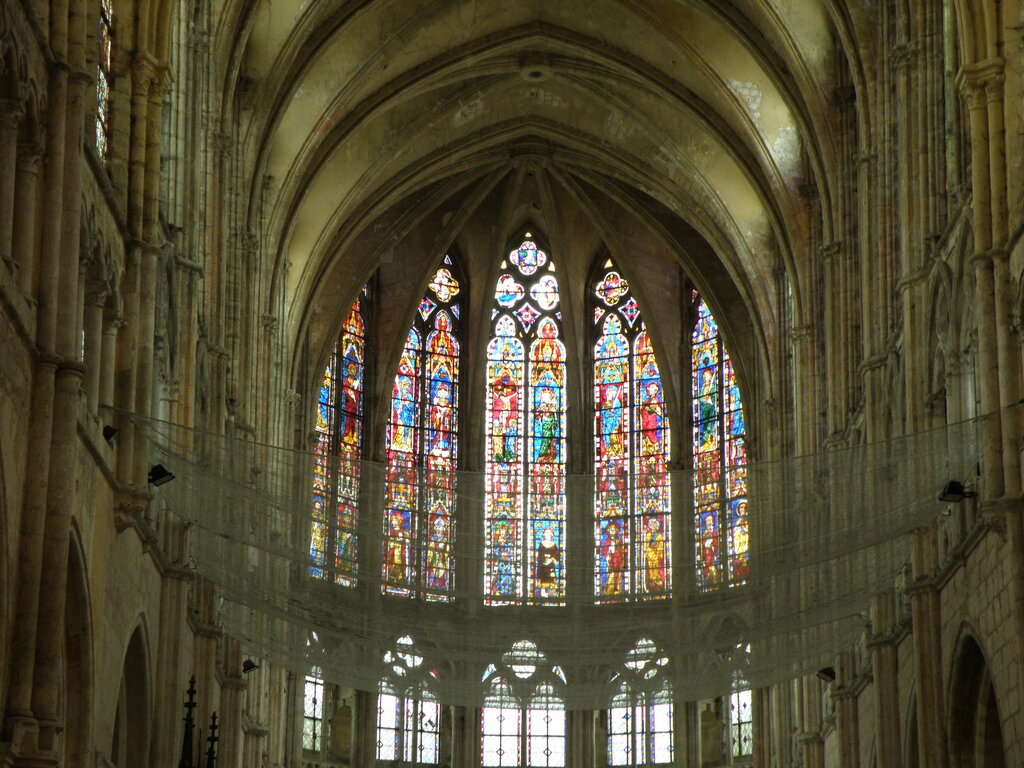
A major shift came during the Protestant Reformation in the 16th century. Leaders like Martin Luther believed everyone should participate in worship, not just observe. He championed congregational singing, and the church hymn was born. For the first time, large groups of ordinary people sang together in their own language.
This participatory spirit continued to evolve. The 20th century saw the rise of Pentecostal and Charismatic movements, which introduced more expressive and spontaneous forms of worship. They brought in new musical instruments and a focus on personal, emotional experience. This laid the groundwork for what we now call contemporary worship.
What Makes Worship 'Contemporary'?
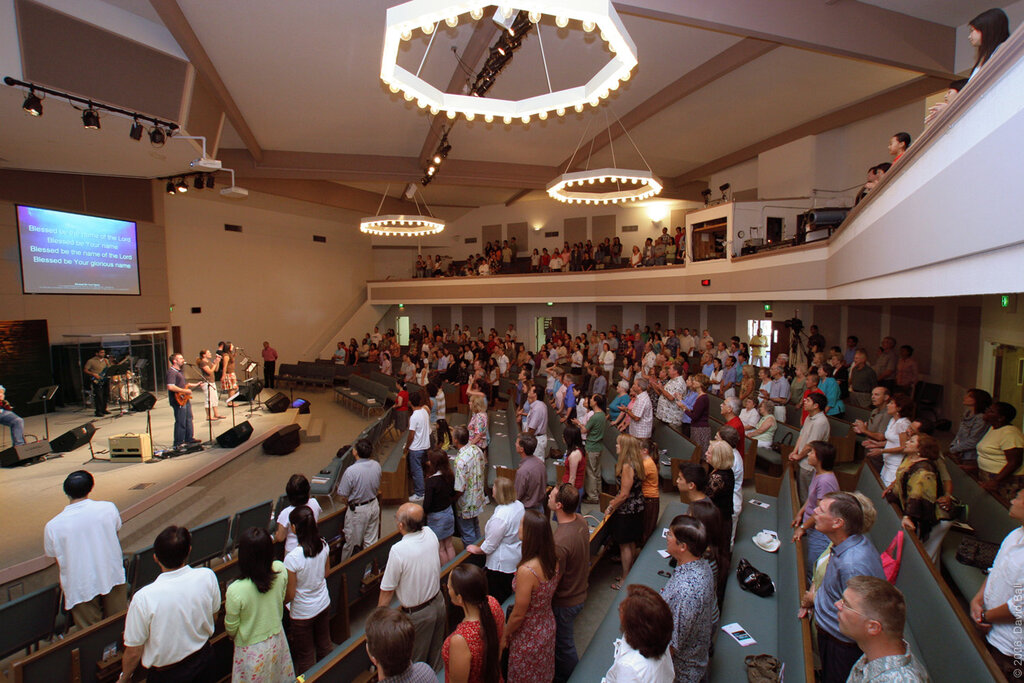
Contemporary worship isn't defined by a single practice, but by a few common characteristics. The most noticeable is the music. Instead of a pipe organ, you're more likely to hear electric guitars, drums, and keyboards. The style often mirrors popular music, with simple, memorable lyrics and melodies designed for congregational singing.
The goal of contemporary music is often to be culturally relevant and accessible, using a musical language that people already understand.
The atmosphere also tends to be more informal. Pastors and worship leaders may dress in casual clothes, and the overall feel is often relaxed and welcoming. Technology plays a huge role. Lyrics are projected onto screens, services are streamed online, and professional lighting and sound systems create an immersive experience. The focus is less on formal ritual and more on creating a space for personal connection and expression.
A Spectrum of Styles
Just as culture varies from place to place, so does worship. There is no single way to do contemporary worship. It’s a broad spectrum of practices influenced by local culture, denomination, and the specific community.
Some churches embrace a full rock-band setup, complete with light shows and concert-level volume. Others prefer a more subdued, acoustic style, sometimes called “modern worship.” Many congregations practice “blended” worship, thoughtfully mixing contemporary choruses with classic hymns to honor tradition while embracing the new.
This diversity extends globally. A contemporary service in Lagos, Nigeria, will have a different sound and feel than one in Seoul, South Korea, or Nashville, Tennessee. Each community incorporates its own cultural rhythms, instruments, and artistic expressions. This adaptability is a key reason why contemporary styles have become so widespread. They allow communities to worship in a way that feels authentic and relevant to their own context.
Now, let's test your understanding of these core ideas.
According to the text, what was the primary setting for worship among the earliest Christians?
What major change did the Protestant Reformation introduce to worship services?
Contemporary worship is a dynamic and evolving expression of faith, shaped by history and adapted for the modern world. It reflects a desire to connect with God in a way that is both personal and culturally resonant.