Evolution of the Lone Star State
Mexican Texas Transformation
A New Flag, A New System
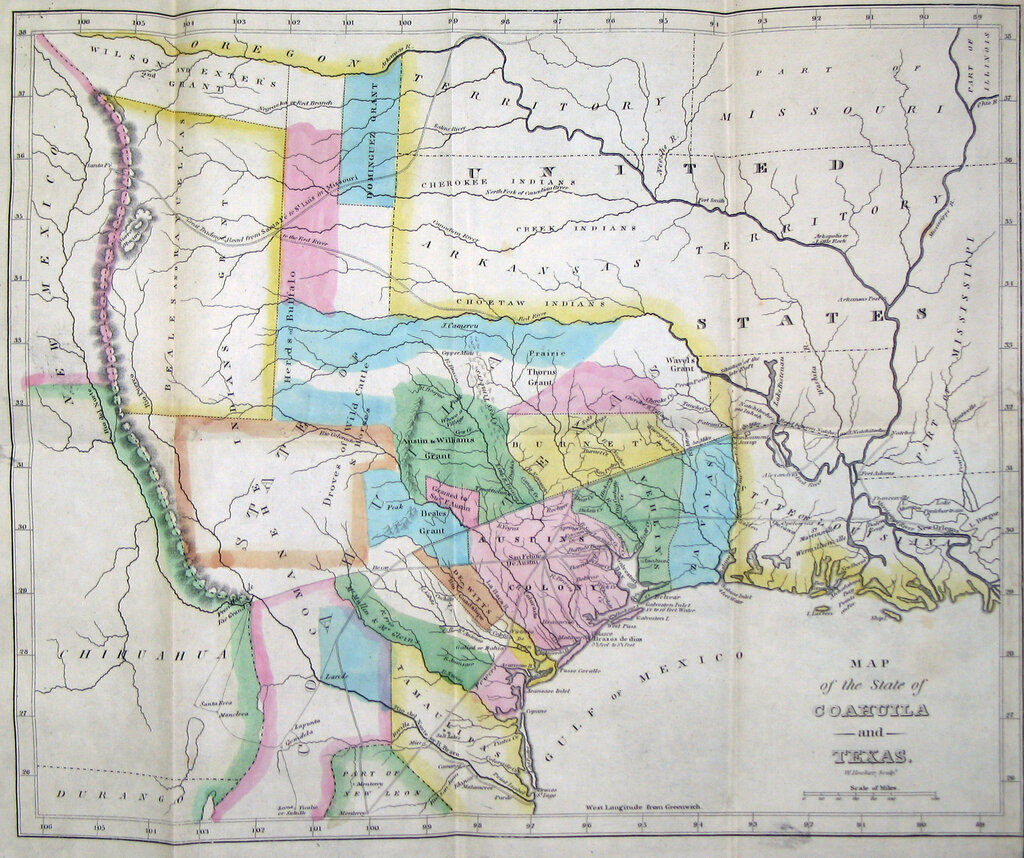
When Mexico won its independence from Spain in 1821, Texas was a sparsely populated, remote frontier. The new Mexican government, eager to secure this territory, saw an opportunity. They drafted the Constitution of 1824, which established a federal republic, much like the United States. This document was a beacon for American settlers, promising states' rights and local autonomy. Texas was joined with its more populous southern neighbor to form the new state of Coahuila y Tejas.
To encourage settlement, Mexico implemented the system. The government offered huge tracts of land to men like Stephen F. Austin, who in turn recruited families to settle the land. For the settlers, the appeal was simple: incredibly cheap land—a few cents an acre compared to over a dollar in the U.S. For Mexico, the goal was to create a buffer zone against foreign powers and Native American raids, populated by loyal Mexican citizens.
Early Cracks in the System
The arrangement seemed mutually beneficial, but friction emerged quickly. The settlers were overwhelmingly American, Protestant, and English-speaking, with a tradition of self-governance. They clashed with a Mexican system that was Catholic, Spanish-speaking, and rooted in a different legal tradition. Many settlers also brought enslaved people with them, a practice that was gradually being outlawed in Mexico.
These simmering tensions boiled over in 1826 with the . A short-lived attempt by a small group of settlers near Nacogdoches to declare independence, the revolt was quickly suppressed by Mexican troops with the help of other Anglo colonists, including Stephen F. Austin. Though a failure, it sent a shockwave through the Mexican government, confirming their fears that American settlers had little intention of becoming loyal Mexican citizens.
In response to the rebellion, Mexico sent General Manuel de Mier y Terán to inspect Texas. His 1828 report was alarming. He found that Anglo-Americans outnumbered Mexicans ten to one in East Texas and were culturally and economically tied to the United States, not Mexico. He warned that if the government didn't act decisively, Texas would be lost forever.
The Point of No Return
Mier y Terán's report led directly to the . This piece of legislation was designed to slam the brakes on American influence. It explicitly banned further immigration from the United States, suspended most unfilled empresario contracts, and prohibited the importation of enslaved people. It also called for new military garrisons and customs duties to enforce Mexican authority.
For the settlers, this law was a profound betrayal. They had risked everything based on the promises of the 1824 Constitution. Now, the central government in Mexico City was overriding those promises. This move highlighted the fundamental political struggle within Mexico itself: the battle between Centralists, who wanted a strong national government, and Federalists, who supported states' rights.
| Ideology | Centralism | Federalism |
|---|---|---|
| Power | Concentrated in the national government. | Divided between national and state governments. |
| States | Treated as departments with appointed governors. | Acted as semi-autonomous units with elected officials. |
| Supported by | The elite, army officers, and clergy. | Settlers in Texas and liberals in Mexico. |
| Guiding Document | (Later) The 1836 "Siete Leyes" | The Constitution of 1824 |
The Law of April 6, 1830, pushed Texas colonists firmly into the Federalist camp. They saw the central government's actions not just as unfair, but as illegal under the constitution they had sworn to uphold. The economic and political foundations of their new lives were under threat, setting the stage for the conflicts that would soon erupt into revolution.