Evolution of the American Hot Dog
European Sausage Roots
From Guild Halls to Street Carts
Long before it was a ballpark staple, the ancestor of the American hot dog was a craft product from central Europe. In cities like Frankfurt and Vienna, sausage-making wasn't just a business; it was a highly regulated trade. Guilds of butchers, or Metzger, enforced strict quality standards. This meant that a sausage from a specific city had a protected identity, much like Champagne from France.
Frankfurter
noun
A thin, parboiled sausage traditionally made exclusively from pure pork, encased in a natural sheep's intestine. Its name is geographically protected, meaning only sausages made in the Frankfurt am Main area can legally be called Frankfurter Würstchen.
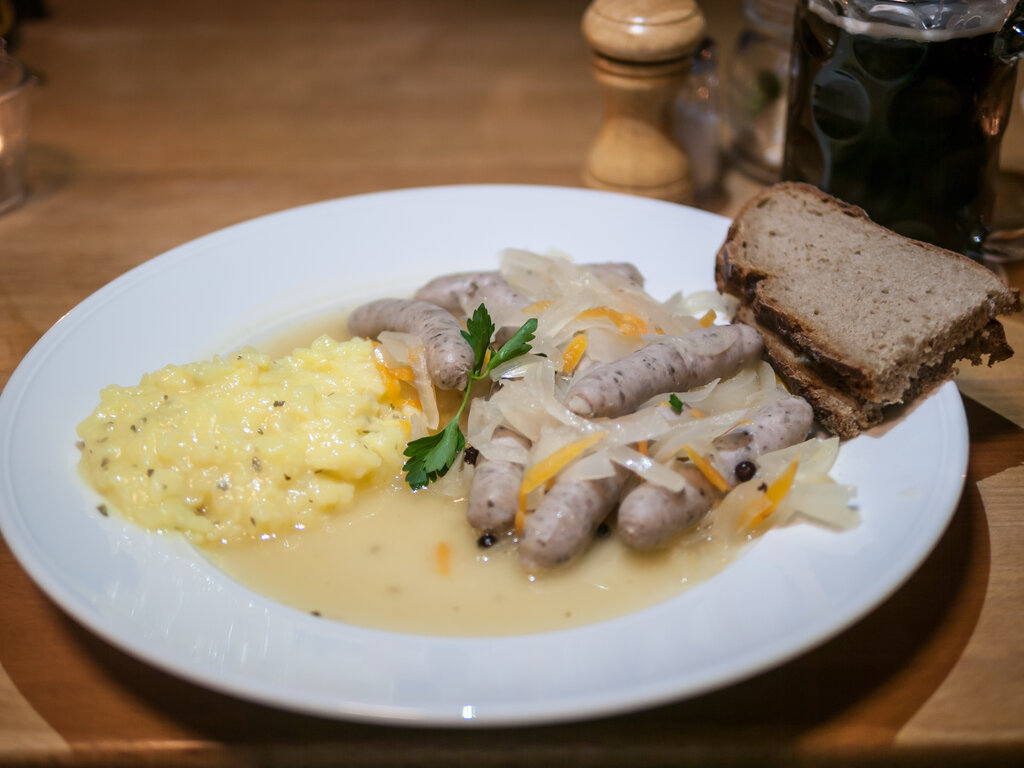
The Frankfurter was the pride of its namesake city. Its unique character came from a special smoking process and a recipe that used only high-quality pork. In Vienna, a similar but distinct sausage emerged. Known as the Wienerwürstchen, or "little sausage from Vienna," this version introduced a key difference: a mixture of beef and pork. This blend gave it a slightly different texture and flavor profile.
Viennese little sausage
Crossing the Atlantic
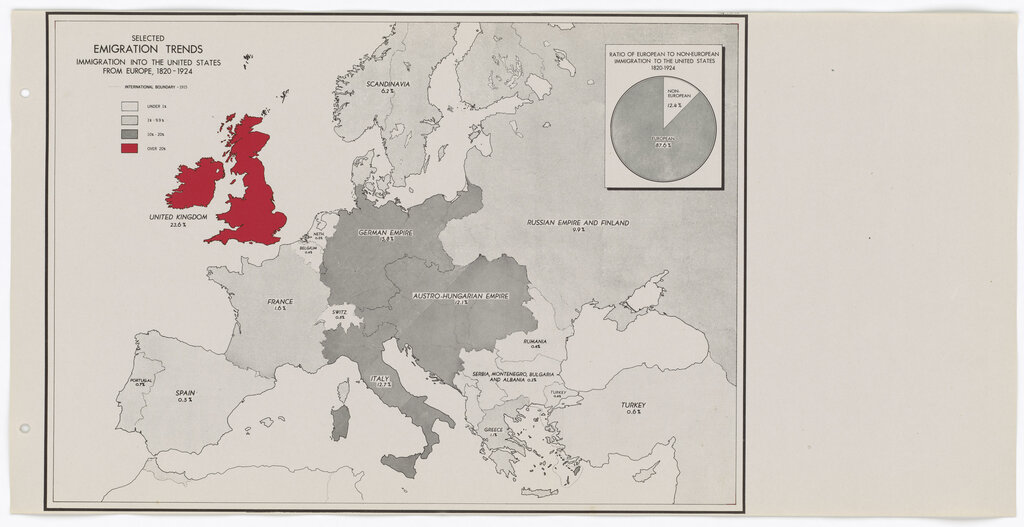
The story of how these sausages arrived in America is a story of immigration. The brought millions of Germans to the United States, and they carried their culinary traditions with them. For many, sausage-making was a familiar trade and a way to preserve meat, an essential skill in an era before widespread refrigeration.
German immigrants began selling these familiar sausages from pushcarts in cities like New York and St. Louis. Initially, they were served on plates, often with potato salad or sauerkraut. The transition to a handheld food was a crucial American innovation. The most famous story attributes this to Charles Feltman, a German immigrant who began selling sausages in a long, soft roll from a cart on Coney Island in the 1870s. This made the meal portable and perfect for the bustling, on-the-go culture of American cities.
The Birth of the "Hot Dog"
Once in America, the fine distinctions between the Frankfurter and the Wiener began to blur. Butchers often used the terms interchangeably, and the American consumer simply knew them as savory, convenient sausages. They were cheap, delicious, and easy to eat. This new context transformed the sausage from a specific, geographically-protected European food into a distinctly American icon.
While exactly who invented the term is still up for debate, there are references to carts dishing up “hot dogs” at sporting events in newspapers in the 1880s and early 1890s.
Another key part of this evolution was the casing. Traditionally, sausages were stuffed into natural casings made from the cleaned intestines of animals, usually sheep or hogs. This natural casing is what gives a classic hot dog that signature "snap" when you bite into it. While many modern sausages use artificial casings, the traditional method was essential to the original product brought over from Europe.
The journey from a carefully crafted German Würstchen to the American hot dog is a classic tale of culinary adaptation. It reflects how immigrant foods are transformed by new environments, new technologies, and new ways of eating, creating something entirely new in the process.
What was the key difference between the original Frankfurter and the Wienerwürstchen?
Why was serving the sausage in a long roll a crucial American innovation?