Evolution of Light Therapy in Modern Skincare
NASA Space Origins
From Space Gardens to Skin Care
In the early 1990s, NASA scientists faced a significant challenge: how to feed astronauts on long-duration missions to Mars and beyond. Their solution was to grow vegetables in space. They developed high-intensity light-emitting diode (LED) arrays to stimulate photosynthesis in microgravity, successfully cultivating crops like lettuce and radishes aboard the Space Shuttle.
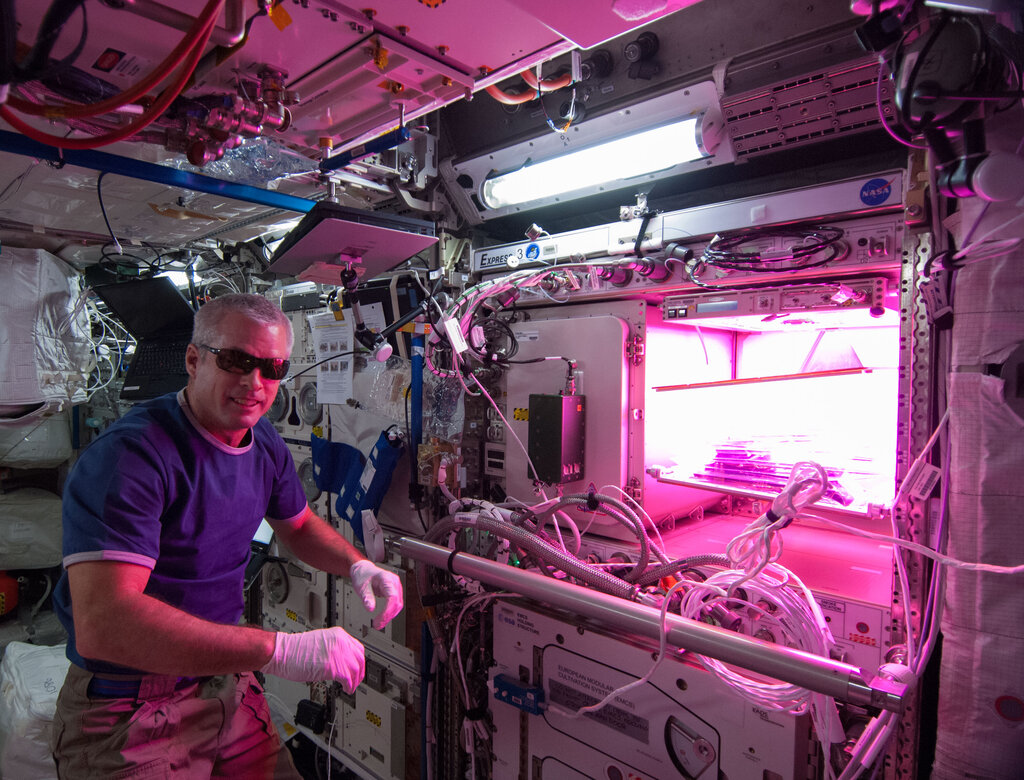
This agricultural experiment, however, led to an entirely unexpected breakthrough. Scientists, including Dr. Harry Whelan from the Medical College of Wisconsin, noticed that the red light used to grow plants also had a noticeable effect on the minor cuts and scrapes on their hands. The wounds seemed to heal faster. This accidental observation shifted the focus of LED research from botany to human biology.
A Serendipitous Discovery
The discovery was particularly significant because of the unique medical challenges of spaceflight. In microgravity, the human body heals more slowly. Astronauts also experience muscle atrophy and a loss of bone density. The team hypothesised that if LED light could accelerate cell regeneration on the skin's surface, it might also work on deeper tissues.
The research expanded to investigate whether LED therapy could treat serious conditions caused by space travel, including muscle and bone loss, and the painful mouth sores that chemotherapy and radiation patients often suffer from.
Dr. Whelan's team began conducting studies to test the effects of specific wavelengths of light on cell growth. The results were promising. The focused light energy appeared to stimulate the mitochondria, the powerhouses within cells, encouraging them to repair and regenerate more effectively. This was a pivotal moment, marking the transition of LED technology from a space-gardening tool to a potential medical device.
The HEALS Device
To harness this potential, NASA funded the development of a specialised medical device. The result was the High Emissivity Aluminiferous Light-emitting Substrate, or HEALS. This portable, flat array contained a dense arrangement of LEDs designed to deliver concentrated light energy directly to human tissue.
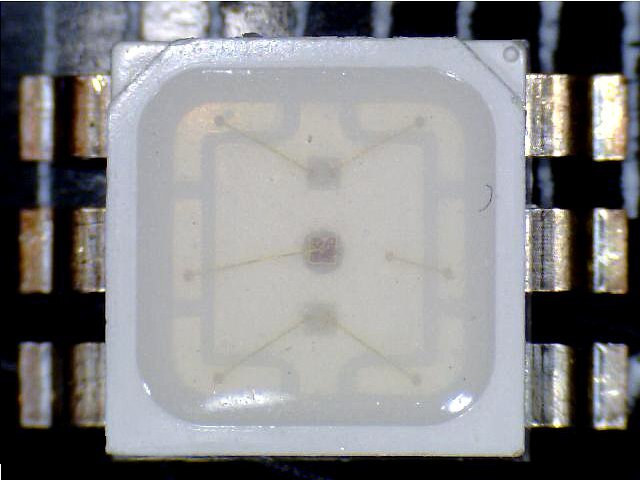
Unlike consumer electronics, the HEALS array was a medical-grade device that delivered a specific, powerful dose of light. It was the first of its kind and provided the foundational scientific credibility for using light as a therapeutic treatment. The success of these early NASA-backed experiments paved the way for the development of light-based therapies used in clinics and homes today.
What began as a project to sustain life far from Earth ended up creating a technology that improves life right here on it. The journey from space botany to clinical medicine demonstrates how scientific exploration in one field can yield unexpected benefits in another.
Now, check your understanding of how space research led to modern skincare.
What was the original purpose of NASA's research into high-intensity LED lights in the early 1990s?
What was the key accidental observation that shifted the focus of the LED research?
This foundational research laid the groundwork for countless applications in medicine and aesthetics.