Evolution of Imperial Power and Global Colonization
Industrial-Economic Imperial Drivers
From Trade to Territory
For centuries, European empires operated on a mercantilist playbook. The goal was simple: export more than you import and hoard the gold and silver. Chartered companies, like the British East India Company, managed trade networks, creating an 'informal empire' of economic influence without the hassle of direct rule. But by the mid-19th century, the ground was shifting. The engine of the Industrial Revolution was roaring, and its appetite was changing the nature of global power.
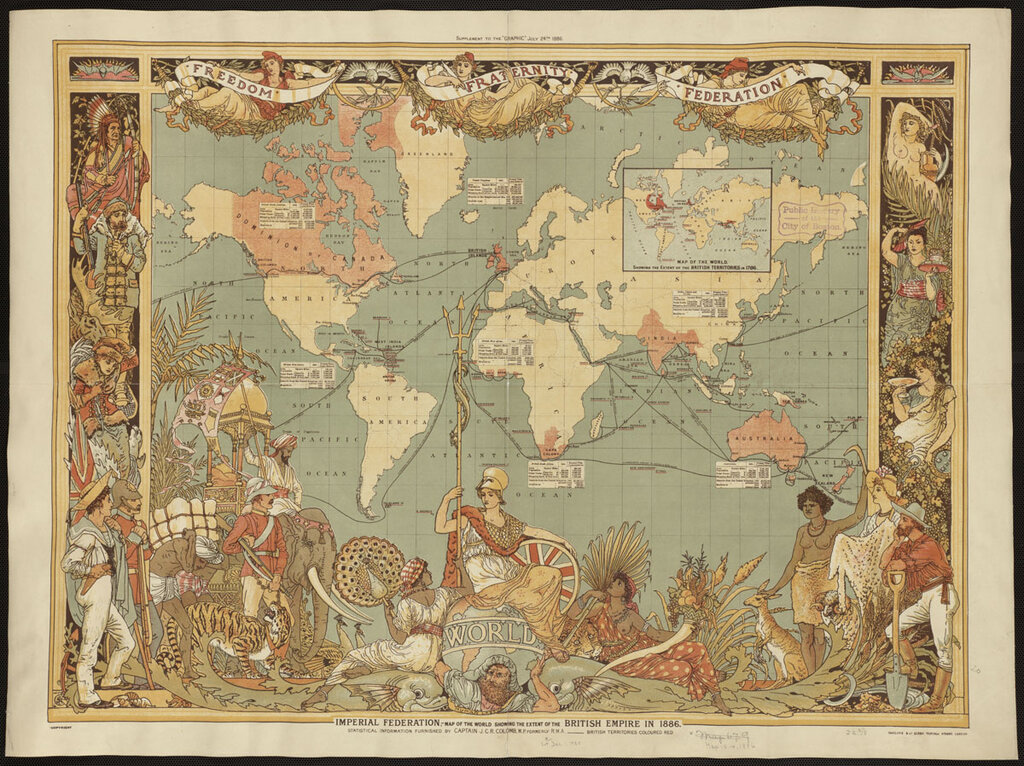
The old model of simply selling finished goods wasn't enough. Factories needed a constant, secure supply of raw materials, many of which couldn't be found in Europe. The economic game was no longer just about favourable trade balances; it was about controlling the resources that fuelled industrial production itself.
The Second Industrial Revolution's Hunger
The Second Industrial Revolution, which kicked off around 1870, supercharged this demand. This wasn't just more steam and textiles; it was a technological leap into steel, electricity, chemicals, and the internal combustion engine. These innovations created industries with a voracious and specific appetite for new resources.
| Industry | Required Raw Materials |
|---|---|
| Electrical | Copper for wiring, rubber for insulation |
| Automotive | Rubber for tyres, petroleum for fuel |
| Canning | Tin for cans |
| Chemicals | Various oils, phosphates, nitrates |
Suddenly, controlling a rubber plantation in the Congo or a tin mine in Malaya became a matter of national economic security. Competition between industrial powers like Britain, France, and a newly unified Germany grew fierce. Relying on an open market was risky when a rival could buy up the supply or a local ruler could cut off access. The solution seemed obvious: shift from informal economic ties to formal, direct control. Annexing territory was the ultimate way to guarantee access to vital resources and lock out competitors.
The Problem of Too Much Money
Industrialisation didn't just create a demand for materials; it generated immense wealth. By the late 19th century, European capitalists had a new problem: surplus capital. They had more money than they could profitably reinvest at home. Building another textile mill in Manchester might offer a slim profit, as the domestic market was saturated. But financing a railroad in Argentina or a diamond mine in South Africa promised far higher returns.
Capitalism had become a victim of its own success. The safest investments at home offered the lowest returns, pushing investors to look overseas.
This flood of money seeking higher profits abroad marked the rise of finance capital. It wasn't just industrial companies driving expansion anymore, but powerful banks and financiers. These groups had a vested interest in the stability and security of their overseas investments. They lobbied their governments to protect these assets, often demanding direct political and military intervention. A loan to a foreign government was much safer if your nation's gunboats were in the harbour.
This pressure from financial interests helped accelerate the shift from informal to formal empire. Why trade with a region when you could own its infrastructure, control its government, and secure your investments with your own laws and army? The economic logic was compelling, and it drove the frantic 'Scramble for Africa' and the consolidation of colonial holdings across Asia. The quest for markets and materials had become a quest for territory.
What was the primary economic goal of the mercantilist system followed by European empires before the mid-19th century?
How did the Second Industrial Revolution (from around 1870) change the motivation for European colonisation?
The economic demands of the late 19th century reshaped the world, turning trade routes into political boundaries and transforming informal influence into direct colonial rule.