Evolution of Global Finance
Merchant Banking Origins
The Italian Connection
Long before spreadsheets and stock tickers, the seeds of modern finance were sown in the bustling city-states of medieval Italy. From the 12th to the 15th centuries, cities like Venice, Genoa, and Florence became the world's economic engines. Their strategic positions in the Mediterranean made them crossroads for trade between Europe, the Byzantine Empire, and the East.
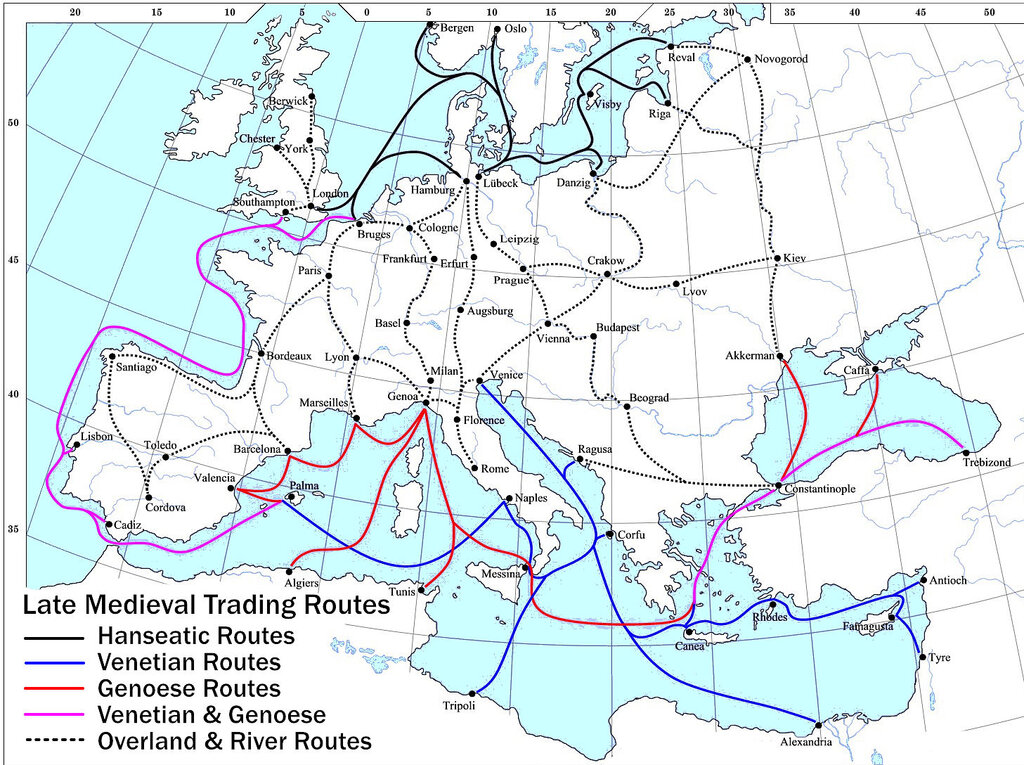
This wasn't just about ships and spices. It was about families. Powerful merchant dynasties rose from trading grain, wool, and cloth to dealing in the most valuable commodity of all: money. They became the financiers of popes and kings. The most famous of these were the Medici family of Florence, who built a financial empire that shaped the course of European history.
Through innovative financial practices and shrewd business acumen, the Medicis built a banking empire that became the largest and most respected in Europe during the 15th century.
From Goods to Gold
As trade networks expanded, merchants faced a serious logistical problem. Transporting chests of gold and silver coins across bandit-ridden roads and pirate-infested seas was slow, expensive, and dangerous. A better system was needed to settle accounts between, say, a wool merchant in Flanders and a cloth buyer in Florence.
The solution was a revolutionary financial instrument: the . This was essentially a written order that promised payment at a later date in a different location and often in a different currency. It was a promissory note and a currency conversion tool rolled into one.
This innovation separated the movement of money from the movement of metal. A merchant could pay for goods in London using credit from his bank in Florence, and no physical coin ever had to make the journey. It was the birth of international finance, making large-scale, long-distance trade safer and more efficient than ever before.
The Banker's Bench
The word 'bank' itself comes from the Italian word banco, meaning bench. This is because the earliest financial transactions took place in public markets and at sprawling . Money changers and merchants would set up a bench or table to conduct their business.
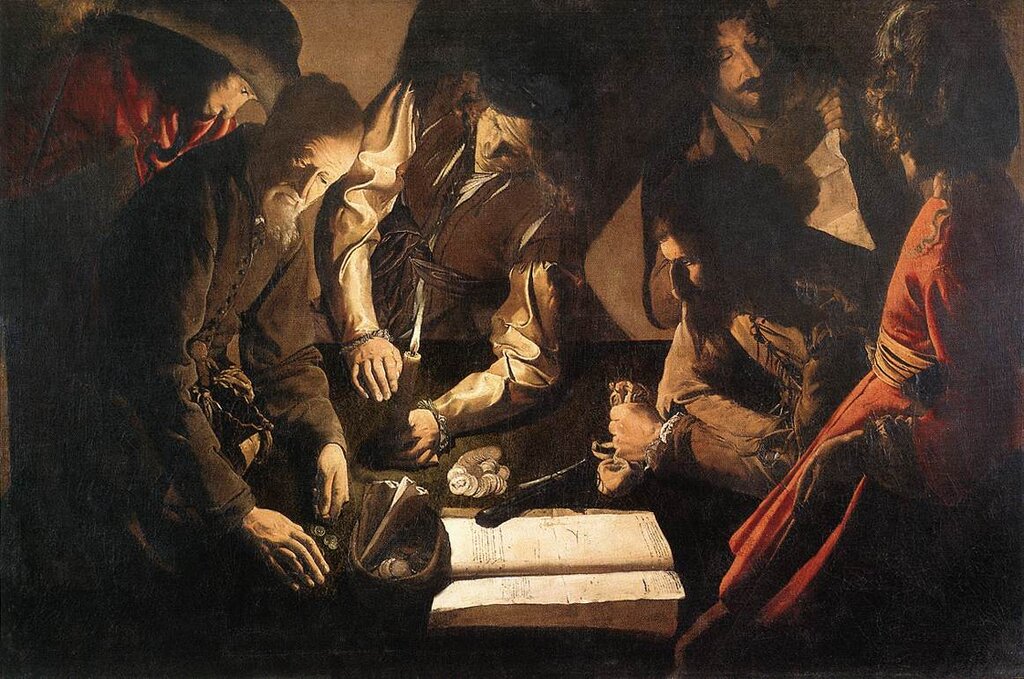
These weren't just places to swap coins. The banco was where bills of exchange were issued, debts were settled, and currencies were traded. If a banker failed and couldn't pay his debts, his bench would be broken by angry creditors. This act, called banca rotta or 'broken bench', is the origin of the word 'bankrupt'.
These humble benches were the precursors to the grand banking houses that would eventually finance empires, fund wars, and bankroll voyages of discovery. The principles of credit, currency exchange, and networked finance developed in medieval Italy laid the groundwork for the entire global financial system we know today.
What was the primary advantage of the bill of exchange for medieval merchants?
The term 'bankrupt' originates from the Italian phrase 'banca rotta'. What does this literally translate to?