Evolution and Mechanics of Global Combat Arts
Evolution of Combat Systems
From Battlefield to Budo
Most martial arts began with a single, brutal purpose: survival on the battlefield. These ancient systems, known in Japan as Koryu or 'old schools', were collections of techniques designed for maximum lethality. A warrior's training in bujutsu (martial techniques) was a matter of life and death, integrating armed and unarmed combat seamlessly. The goal wasn't sport or self-improvement; it was to efficiently neutralise an armoured opponent.
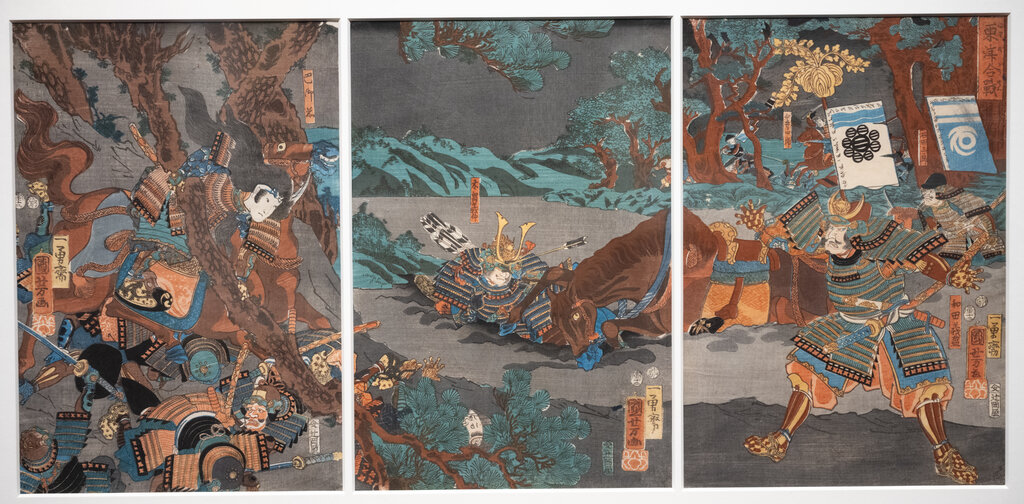
This focus shifted dramatically as societies changed. Prolonged periods of peace and the centralisation of government made large-scale warfare rare. The skills of the warrior class were no longer in constant demand. In Japan, this transition was accelerated by the in the late 19th century, which dissolved the samurai class and modernised the nation.
Suddenly, the deadly arts of the battlefield had to find a new purpose. This led to the development of Gendai Budo, or 'modern martial ways'. The focus shifted from jutsu (technique) to do (way or path). The goal was no longer just combat effectiveness, but the cultivation of character, discipline, and physical fitness.
With prolonged peace, the samurai class transitioned from purely battlefield warriors to administrators, bureaucrats, and cultural arbiters.
A Western Parallel
This evolution wasn't unique to Japan. A similar story unfolded in the West with boxing and wrestling. Early forms of Western combat were often brutal, no-holds-barred affairs. , the ancestor of modern boxing, often involved grappling, throws, and eye-gouging. It was about winning a fight, not scoring points.
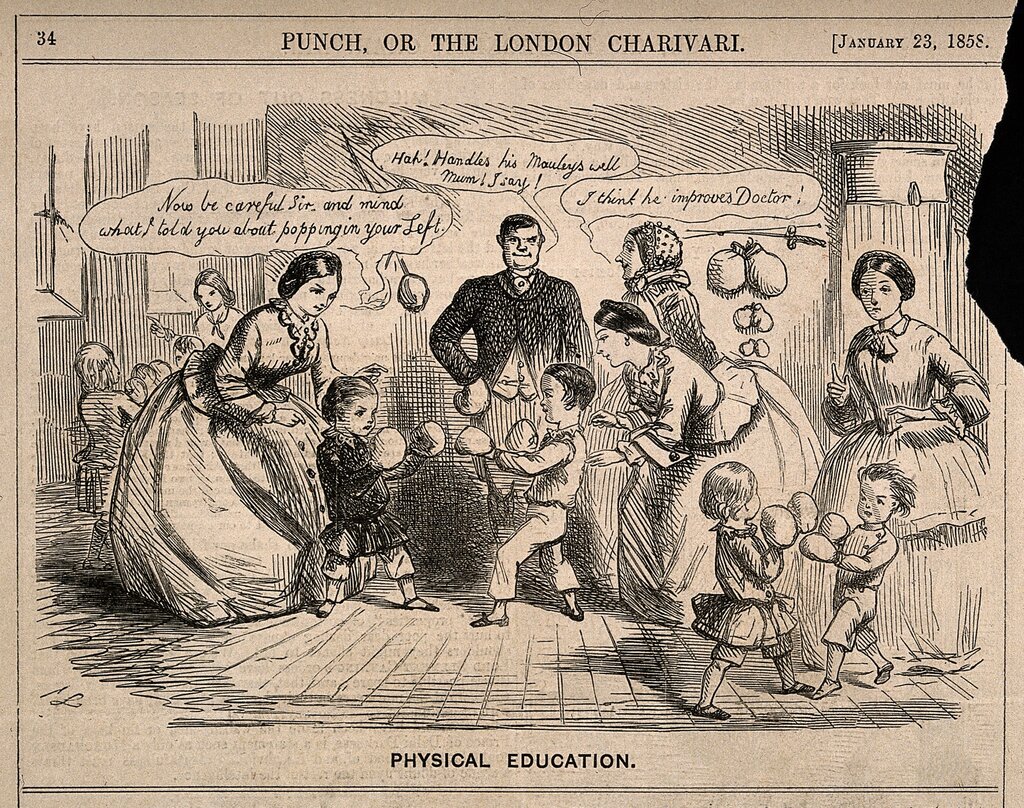
As societies became more civilised and concerned with safety, these raw combat forms were tamed. The introduction of a sporting 'ruleset' was the key mechanism for this change. Rulesets limit the techniques that can be used, define scoring, and introduce safety measures like gloves or padded mats. This allows for competition without the risk of serious injury or death, but it also fundamentally alters the art by removing its most dangerous elements. The focus moves from battlefield survival to winning within a specific, artificial context.
The Philosophy of the Way
The shift from jutsu to do was a deliberate act of cultural preservation. Masters of the old schools realised their arts would vanish if they didn't adapt to the new, peaceful era. By reframing their practice as a vehicle for personal development, they gave it new meaning and relevance. Jujutsu evolved into Judo, kenjutsu into Kendo, and so on.
This new philosophy, Budo, emphasised concepts like respect, perseverance, and self-control. The dojo became a place not just to train the body, but to forge the spirit. The techniques of war were repurposed as tools for building better people. This transformation ensured that the cultural heritage and physical wisdom of the warrior class would survive in a world that no longer needed warriors.
What was the primary purpose of ancient Japanese martial arts known as 'Koryu'?
The shift from battlefield-focused 'jutsu' to character-focused 'do' was largely driven by what historical change?