Evidence Based Long COVID Recovery Strategies
Pathophysiological Mechanisms
The Lingering Virus
After most viral infections, the immune system clears the pathogen completely. The battle is won, and the body begins to repair itself. But with Long COVID, or Post-Acute Sequelae of COVID-19 (PASC), the story is often different. Growing evidence suggests the virus, or parts of it, doesn't always leave.
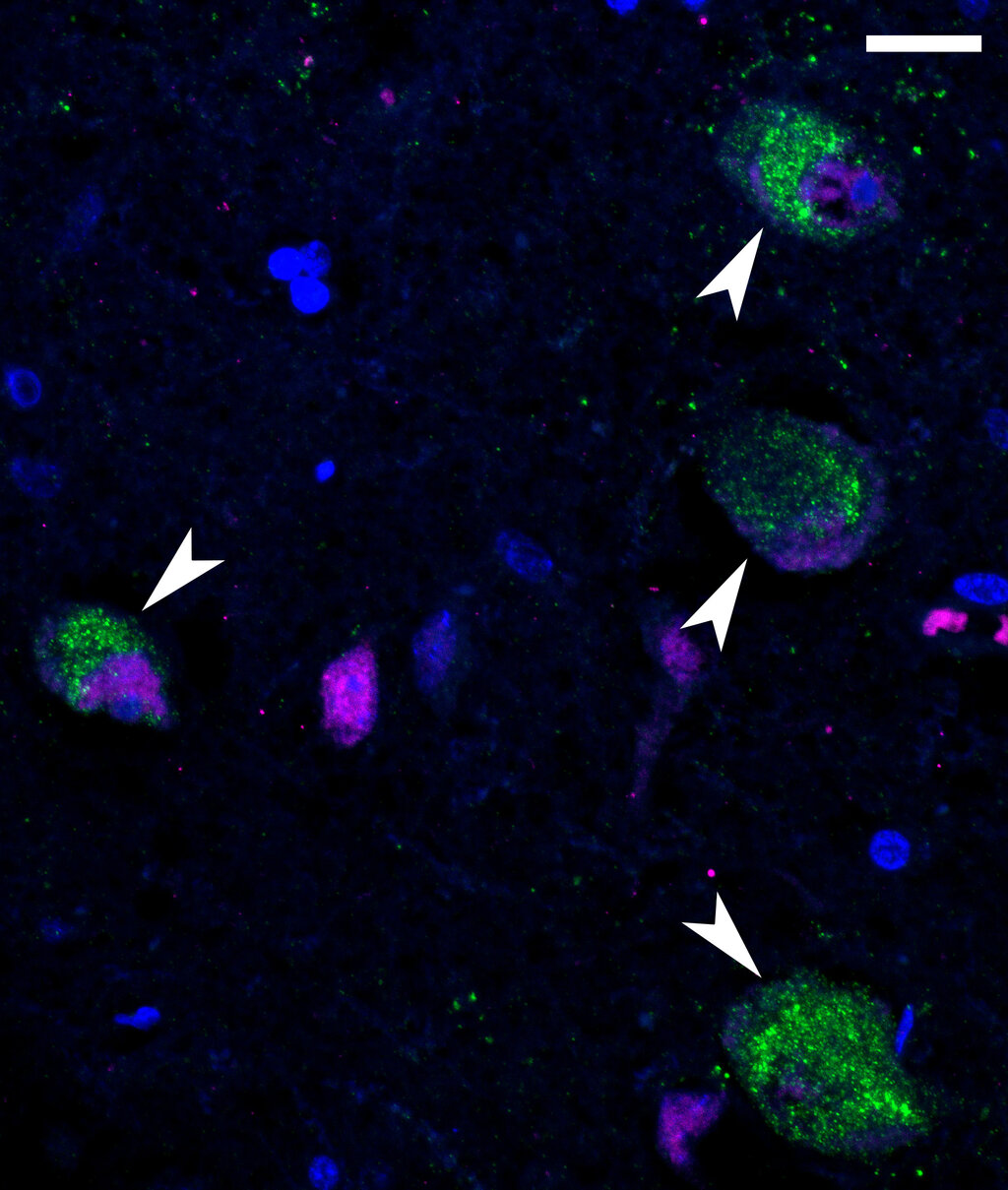
Researchers have found fragments of SARS-CoV-2, like its RNA and the infamous spike protein, hiding in various tissues long after the acute infection is over. These viral reservoirs have been located in the gut, brain, and other organs. They act as a constant, low-level trigger for the immune system. Instead of standing down, the body's defenses remain on high alert, creating a state of chronic inflammation that can damage tissues and disrupt normal function.
This persistent antigenic stimulus is a key theory behind the widespread symptoms of PASC. It's not an active, raging infection, but a simmering immunological conflict that never fully resolves.
Blood Flow Under Siege
One of the most debilitating symptoms of Long COVID is a profound, unshakable fatigue, often accompanied by brain fog. A compelling explanation for this lies in the circulatory system, specifically within the smallest blood vessels. The infection can trigger the formation of tiny, abnormal blood clots called fibrin amyloid microclots that are remarkably resistant to the body's natural clot-busting process, known as fibrinolysis.
These microclots are sticky and malformed, containing inflammatory proteins. They travel through the bloodstream and can clog up the capillaries, the microscopic vessels responsible for delivering oxygen and nutrients to every cell. When blood flow is impaired at this level, tissues become starved of oxygen, leading to metabolic dysfunction. The brain, which demands a huge amount of energy, is particularly vulnerable. This impaired perfusion helps explain the cognitive deficits and crushing fatigue many patients experience.
This process also causes endothelial damage, injuring the delicate single-cell layer that lines all blood vessels. A damaged endothelium can lead to further inflammation and clotting, creating a vicious cycle that is difficult to break.
A Case of Mistaken Identity
The immune dysregulation caused by the initial infection can lead to a serious case of friendly fire. The body starts producing autoantibodies—immune proteins that mistakenly target the body's own tissues instead of foreign invaders. In Long COVID, a specific and disruptive type of these has been identified: autoantibodies that attack G-protein coupled receptors (GPCRs).
GPCRs are vital signaling molecules found on the surface of many cells. They act like switches that help regulate countless bodily functions, including heart rate, blood pressure, digestion, and breathing. When autoantibodies bind to these receptors, they can either block them or improperly activate them, throwing the autonomic nervous system into disarray. This mechanism is a leading explanation for symptoms like Postural Orthostatic Tachycardia Syndrome (POTS), where heart rate skyrockets upon standing, as well as gastrointestinal issues and blood pressure instability.
The inflammatory processes activated during a viral illness might contribute to a longer-lasting impact on the body’s ability to regulate heart rate and blood pressure.
The Energy Crisis
At the cellular level, Long COVID can trigger a full-blown energy crisis. The chronic inflammation and poor oxygen delivery from microclots can severely damage mitochondria, the powerhouses of our cells. Mitochondria are responsible for producing ATP, the molecule that serves as the main energy currency for all cellular processes. When they become dysfunctional, ATP production plummets.
This mitochondrial impairment is a direct cause of the extreme fatigue and post-exertional malaise (PEM) that define the illness for many. Even simple physical or cognitive tasks can become exhausting because the cells simply cannot generate enough energy to meet the demand.
To complicate matters further, the immune system's preoccupation with SARS-CoV-2 can allow other dormant viruses to reactivate. Latent pathogens that the body normally keeps in check, like Epstein-Barr Virus (EBV) and Human Herpesvirus 6 (HHV-6), can re-emerge. This reactivation adds another layer of antigenic burden, fueling more inflammation and contributing to the complex, multi-systemic symptoms seen in PASC patients.
Time for a quick review of the complex mechanisms we've discussed.
Now, let's test your understanding of these pathogenic drivers.
What is the leading theory regarding the role of SARS-CoV-2 in Long COVID after the acute infection has passed?
How do the fibrin amyloid microclots found in Long COVID patients contribute to symptoms like fatigue and brain fog?
Understanding these interconnected mechanisms is the first step toward developing targeted treatments for this complex condition.