Evidence Based First Time Parenting
Newborn Health Transitions
The First Minute
The moments right after birth are critical for a newborn's transition to life outside the womb. Recent evidence-based guidelines have refined how we handle this crucial period, focusing on maximizing the baby's health from the very first minute. The 2025 standards from the American Academy of Pediatrics (AAP) and American Heart Association (AHA) now recommend Deferred Cord Clamping (DCC) for at least 60 seconds for most infants, an increase from the previous 30-second guideline.

Why the change? Delaying the clamp allows more blood to transfer from the placenta to the baby. This simple pause significantly boosts the infant's iron stores for the first few months of life and improves blood circulation to the brain. It's a low-tech intervention with a high-impact outcome.
But what about situations where the baby is not vigorous at birth or needs immediate medical help? In these cases, waiting a full minute isn't always possible. That's where a technique called intact cord milking (ICM) comes in. For infants who need rapid resuscitation, ICM provides a way to transfer placental blood quickly. The clinician gently squeezes the umbilical cord, pushing blood toward the infant over a few seconds before clamping. This serves as a viable alternative when DCC isn't an option.
Screening in the 21st Century
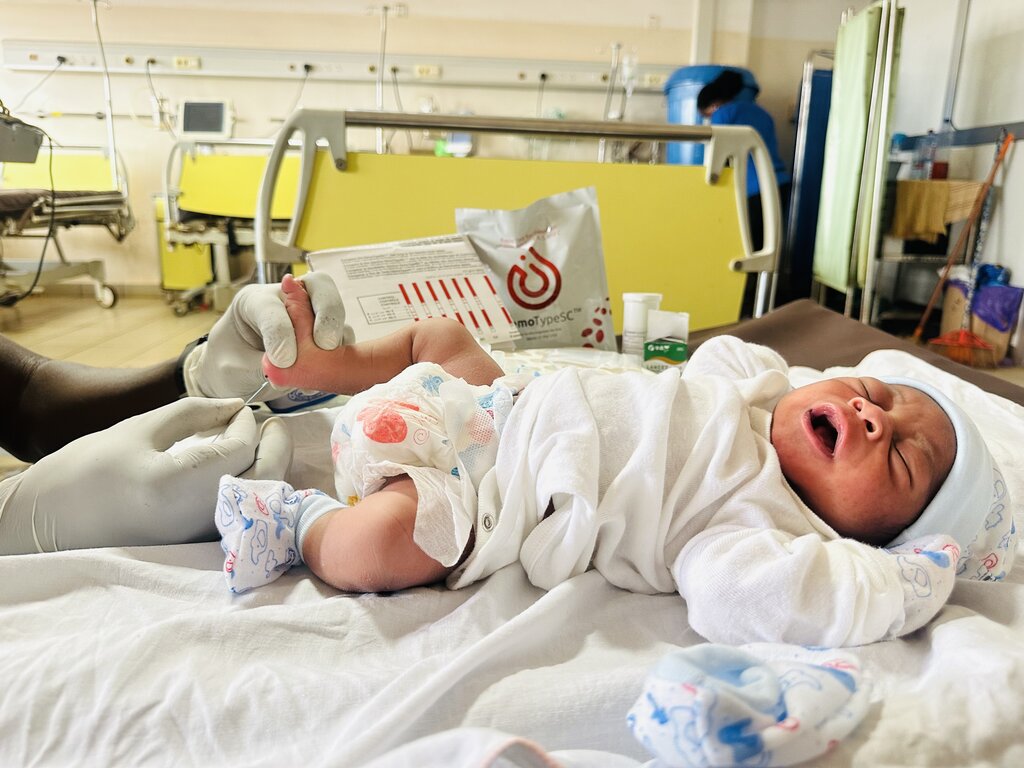
Within days of birth, every newborn undergoes screening for a panel of rare but serious health conditions. These tests, typically done with a simple heel prick, have saved countless lives by catching metabolic disorders early. Now, this field is undergoing a technological revolution. Some programs are expanding to include Whole Genome Sequencing (WGS), which can screen for hundreds of potential genetic conditions from the same single blood spot.
Technology is also changing how we monitor newborns in the delivery room and neonatal intensive care unit (NICU). Artificial intelligence is playing a bigger role. For example, AI-driven can monitor a newborn's temperature distribution without any physical contact. This helps clinicians make precise, rapid interventions to prevent hypothermia, a common risk for newborns, especially those born preterm.
Making Data-Driven Choices
Parents and clinicians are constantly weighing the risks and benefits of various medical interventions. Applying a data-first mindset, similar to the logic popularized in Emily Oster's "Cribsheet," helps clarify these decisions. This means looking at the evidence behind standard practices like vitamin K administration, jaundice management, and the timing of introducing potential allergens.
For example, guidelines on introducing allergens have shifted dramatically based on new research. Previously, parents were advised to wait. Now, data suggests that for some infants, early and sustained introduction of allergens may reduce the risk of developing food allergies. The trade-offs depend on the individual child's risk factors, such as having severe eczema.
| Allergen | Traditional Approach (Wait) | Evidence-Based Early Introduction |
|---|---|---|
| Peanuts | Introduce after age 1-3 years. | Introduce around 4-6 months for high-risk infants. |
| Eggs | Introduce after 1 year. | Introduce around 4-6 months, well-cooked. |
| Dairy | Introduce cow's milk after 1 year. | Yogurt/cheese can be introduced around 6 months. |
Understanding the data behind each recommendation allows for more informed conversations between parents and healthcare providers, ensuring care is tailored to each newborn's unique circumstances.
Ready to check your understanding of these critical newborn transitions?
According to the 2025 AAP/AHA guidelines, what is the minimum recommended duration for Deferred Cord Clamping (DCC) for most infants?
A newborn is delivered but is not vigorous and requires immediate medical attention. According to recent guidelines, which of the following is the most appropriate alternative to Deferred Cord Clamping (DCC) in this situation?
By focusing on these evidence-based practices, the goal is to give every baby the healthiest possible start in life.