Everyday Inventions That Changed Our Lives
Introduction to Inventions
What Is an Invention?
At its heart, an invention is a completely new device, method, or process. It's a solution to a problem that didn't exist before. Think of it as a spark of a new idea that takes a tangible form, something that can be created or performed. An invention doesn't have to be a complex machine; it can be a simple tool or a new way of doing something that makes life easier, safer, or more efficient.
Invention
noun
A unique or novel device, method, composition, or process. The invention process is a process within an overall engineering and product development process.
It's easy to mix up "invention" with "innovation," but they are different. An invention is the creation of something for the first time. Innovation is the act of applying that invention to create value or making a significant improvement to something that already exists.
For example, the first electric light bulb was an invention. It was a brand new concept. Building the power grids, setting up manufacturing plants to mass-produce cheap bulbs, and creating a system where every home could have electric light was an innovation. Innovation brings an invention to the masses.
Invention is turning an idea into a reality. Innovation is turning that reality into something practical and widespread.
Milestones of Progress
Inventions are the building blocks of human history. They mark turning points in how we live, work, and interact. The development of simple tools allowed early humans to hunt and build. The invention of writing made it possible to record knowledge and pass it down through generations, leading to the rise of civilizations.
Each significant invention builds upon the last, creating a chain reaction of progress. The Industrial Revolution, for instance, wasn't caused by a single invention but by a cluster of them, like the steam engine and the power loom, which completely reshaped society.
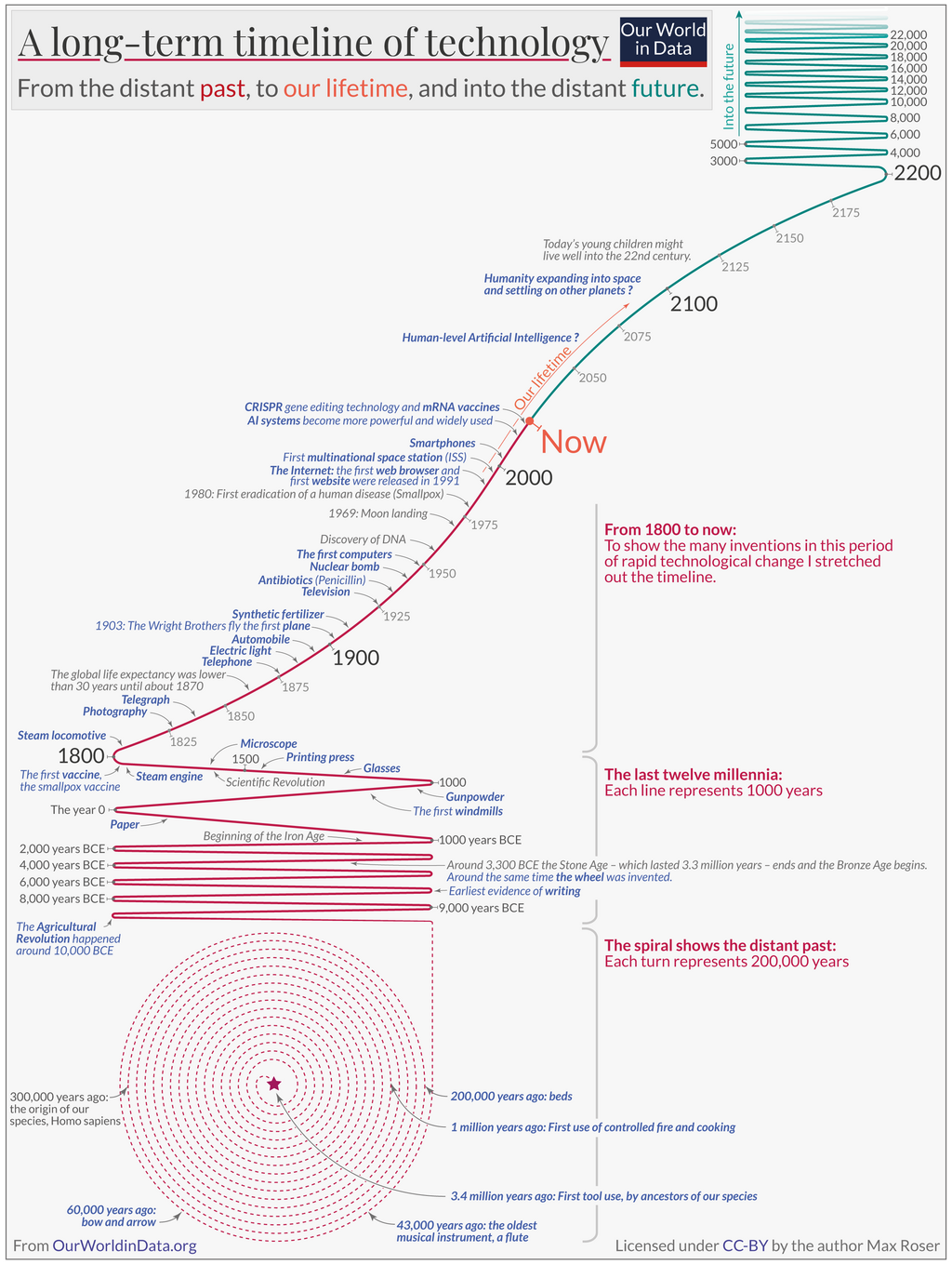
Let's look at a few examples that show just how powerful an invention can be.
| Invention | What It Was | Its Impact |
|---|---|---|
| The Wheel | A round object that rotates on an axle. | Revolutionized transportation and made complex machinery possible. |
| Printing Press | A machine for mass-producing written text. | Made knowledge accessible to everyone, fueling literacy and education. |
| Telephone | A device to transmit speech over long distances. | Transformed communication, connecting people and businesses instantly. |
| The Internet | A global network of computers. | Redefined how we access information, communicate, and conduct business. |
Now that we've covered the basics, let's test your understanding.
Which of the following best defines an invention?
The creation of the first telephone is an example of an _______, while developing a global network of cell towers and satellites for mobile communication is an example of _______.
Inventions are more than just clever gadgets. They are the engine of human progress, shaping our world in ways their creators could have never imagined.