Everyday English Sentences
Sentence Components
The Core Components
Every sentence, no matter how long, is built from a few key parts. At its heart, a sentence needs just two things: a subject and a verb. Think of the subject as the main character and the verb as what that character is doing or being.
Let's break down these essential roles one by one.
The Subject: Who or What
The subject is the person, place, thing, or idea that the sentence is about. To find it, just ask who or what is performing the action or being described.
Dogs bark. The Earth is round. Running is good exercise.
In these examples, 'Dogs,' 'The Earth,' and 'Running' are the subjects. They are the focus of each sentence.
Subject
noun
The noun, pronoun, or noun phrase that performs the action of the verb or is described by it.
The Verb: Action or Being
The verb is the engine of the sentence. It expresses an action or a state of being. Without a verb, you don't have a complete thought.
There are two main types of verbs you'll encounter all the time.
Action Verbs: These show action. Someone or something is doing something. Examples: run, think, create, talk
Linking Verbs: These connect the subject to a word that describes or renames it. They don't show action, but a state of being. Examples: is, am, are, was, were, seems, becomes
Look at the difference:
He built a house. (Action) He is an architect. (State of being)
Completing the Thought
Sometimes, a subject and a verb are enough. "Birds fly." That's a complete sentence. But often, the verb needs more information to complete the meaning. This is where objects and complements come in.
An object is a noun or pronoun that receives the action of the verb.
She reads books. ('Books' receives the action of reading.) He kicked the ball. ('The ball' receives the action of being kicked.)
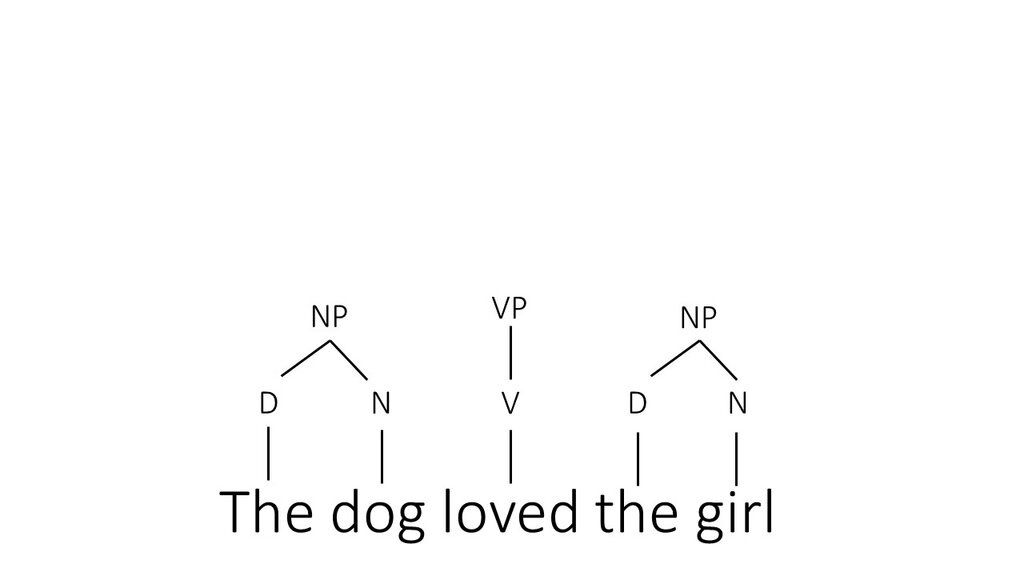
A complement, on the other hand, doesn't receive an action. Instead, it completes the meaning of the subject after a linking verb. It renames or describes the subject.
The sky is blue. ('Blue' describes the subject, 'sky'.) My sister became a doctor. ('A doctor' renames the subject, 'sister'.)
Adding Detail with Modifiers
Once you have the core of your sentence, you can add detail with modifiers. The two main types of modifiers are adjectives and adverbs. They make your sentences more specific and interesting.
Adjectives modify, or describe, nouns and pronouns. They answer questions like: Which one? What kind? How many?
The tall tree. The red car. Three boxes.
Adverbs modify verbs, adjectives, or even other adverbs. They often end in '-ly' and answer questions like: How? When? Where? To what extent?
She ran quickly. He arrived yesterday. It was very cold.
| Part of Speech | What it Does | Example |
|---|---|---|
| Adjective | Modifies a noun | The quick brown fox... |
| Adverb | Modifies a verb | ...jumps quickly over the lazy dog. |
Now that you know the basic parts, let's review them.
Ready to test your knowledge? Let's see if you can identify these components in action.
What are the two essential components every complete sentence must have?
Identify the subject in the following sentence: 'After a long day, the exhausted students slept.'
Understanding these five components—subjects, verbs, objects, complements, and modifiers—gives you the foundation to build clear and effective sentences.