Everyday English for Adults
English Alphabet and Sounds
The Building Blocks of English
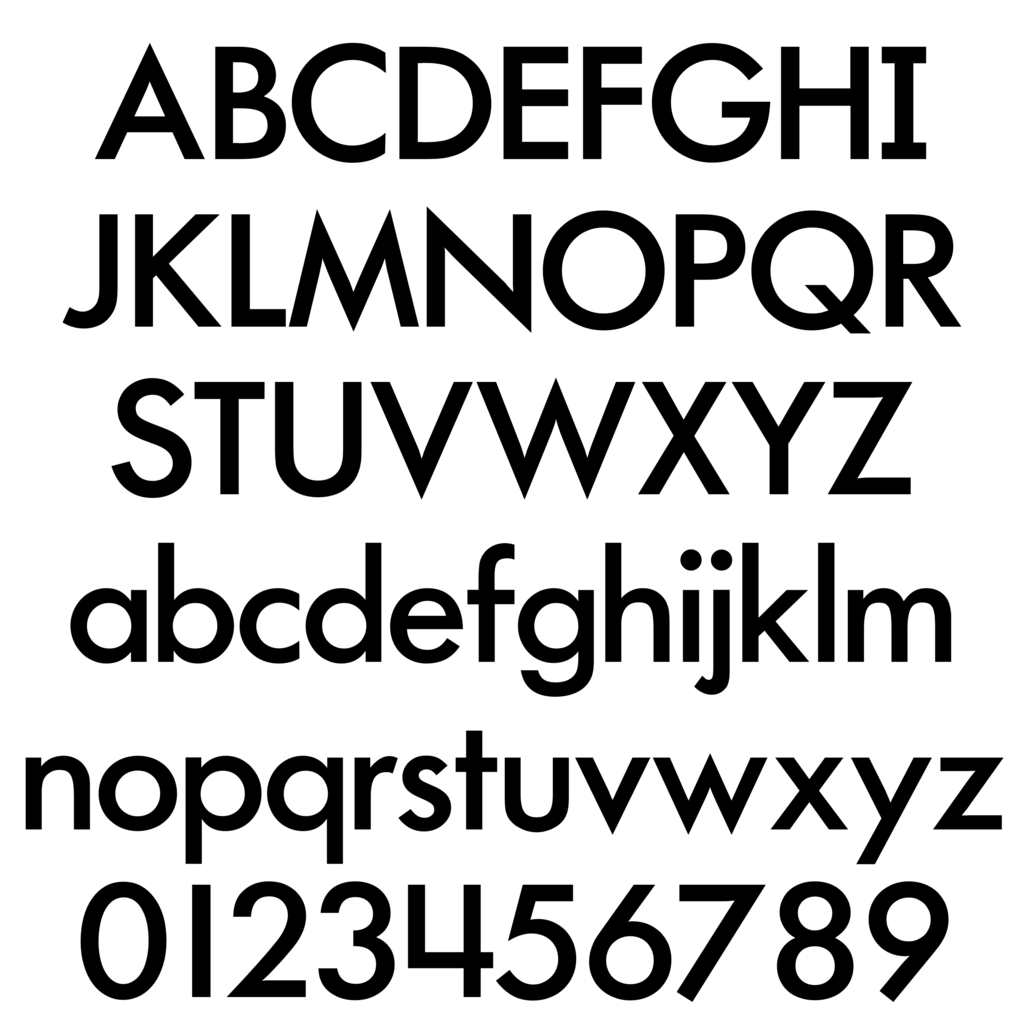
The English alphabet is your starting point for reading, writing, and speaking. It has 26 letters. Each letter has two forms: a big one, called an uppercase or capital letter, and a small one, called a lowercase letter. You'll see uppercase letters at the beginning of sentences and for names, like 'Maria' or 'London'.
The English alphabet is the foundation of all English reading, writing, speaking, and listening.
Let's look at all of them together.
Letter Names and Sounds
Every letter has a name and makes at least one sound. For example, the name of the letter 'B' is pronounced 'bee', but in a word like 'ball', it makes a 'buh' sound. Knowing both the names and the sounds is key. The sounds help you read words, and the names help you spell them.
Think of it this way: the letter name is what you say when you spell a word out loud. The letter sound is what you use to sound out a word when you read it.
Letters are split into two groups: vowels and consonants.
vowel
noun
A speech sound made with your mouth fairly open, the nucleus of a spoken syllable. The English vowels are A, E, I, O, U.
Vowels are the heart of words. They can make several different sounds. For instance, the 'a' in 'apple' sounds different from the 'a' in 'ape'.
consonant
noun
A basic speech sound in which the breath is at least partly obstructed. All letters that are not vowels are consonants.
Consonants are all the other letters. Their sounds are usually more consistent than vowel sounds. Here is a simple breakdown of each letter's name, a common sound it makes, and a word to practice with.
| Letter | Name Sound | Common Sound | Example Word |
|---|---|---|---|
| A a | ay | /æ/ as in | apple |
| B b | bee | /b/ as in | ball |
| C c | see | /k/ as in | cat |
| D d | dee | /d/ as in | dog |
| E e | ee | /ɛ/ as in | egg |
| F f | eff | /f/ as in | fish |
| G g | jee | /g/ as in | goat |
| H h | aitch | /h/ as in | hat |
| I i | eye | /ɪ/ as in | igloo |
| J j | jay | /dʒ/ as in | jam |
| K k | kay | /k/ as in | kite |
| L l | ell | /l/ as in | lion |
| M m | em | /m/ as in | moon |
| N n | en | /n/ as in | nose |
| O o | oh | /ɒ/ as in | octopus |
| P p | pee | /p/ as in | pig |
| Q q | cue | /kw/ as in | queen |
| R r | ar | /r/ as in | rat |
| S s | ess | /s/ as in | sun |
| T t | tee | /t/ as in | top |
| U u | you | /ʌ/ as in | umbrella |
| V v | vee | /v/ as in | van |
| W w | double-you | /w/ as in | water |
| X x | ex | /ks/ as in | x-ray |
| Y y | wye | /j/ as in | yes |
| Z z | zed, zee | /z/ as in | zebra |
Putting It Into Practice
The best way to learn the alphabet is to use it. Start by practicing how to write each letter. Pay attention to the shape of both the uppercase and lowercase forms.
Practice Tip: Try writing each letter, both capital (big) and lowercase (small). Say the letter name as you write it!
As you write, say the letter's name and its most common sound. For 'B b', write the letter and say 'bee' and then 'buh'. This connects the shape, the name, and the sound in your mind.
Try to find these letters in the world around you. Look at signs, books, and websites. Can you find all 26 letters? Can you name them and make their sounds?
Let's review the main ideas before you test your knowledge.
Ready to check your understanding?
How many letters are in the English alphabet?
What is the difference between a letter's name and its sound?
Learning the alphabet is the first major step in mastering English. Keep practicing, and soon these letters will become familiar friends.