Everyday Cybersecurity
Introduction to Cybersecurity
What Is Cybersecurity?
Cybersecurity is the practice of protecting your digital life. Think about all the things you do online: banking, chatting with friends, shopping, and working. All of this involves your personal information, from your email address to your credit card number. Cybersecurity is like a digital bodyguard, working to keep that information safe from people who shouldn't have it.
cybersecurity
noun
The protection of internet-connected systems such as hardware, software, and data from cyberthreats.
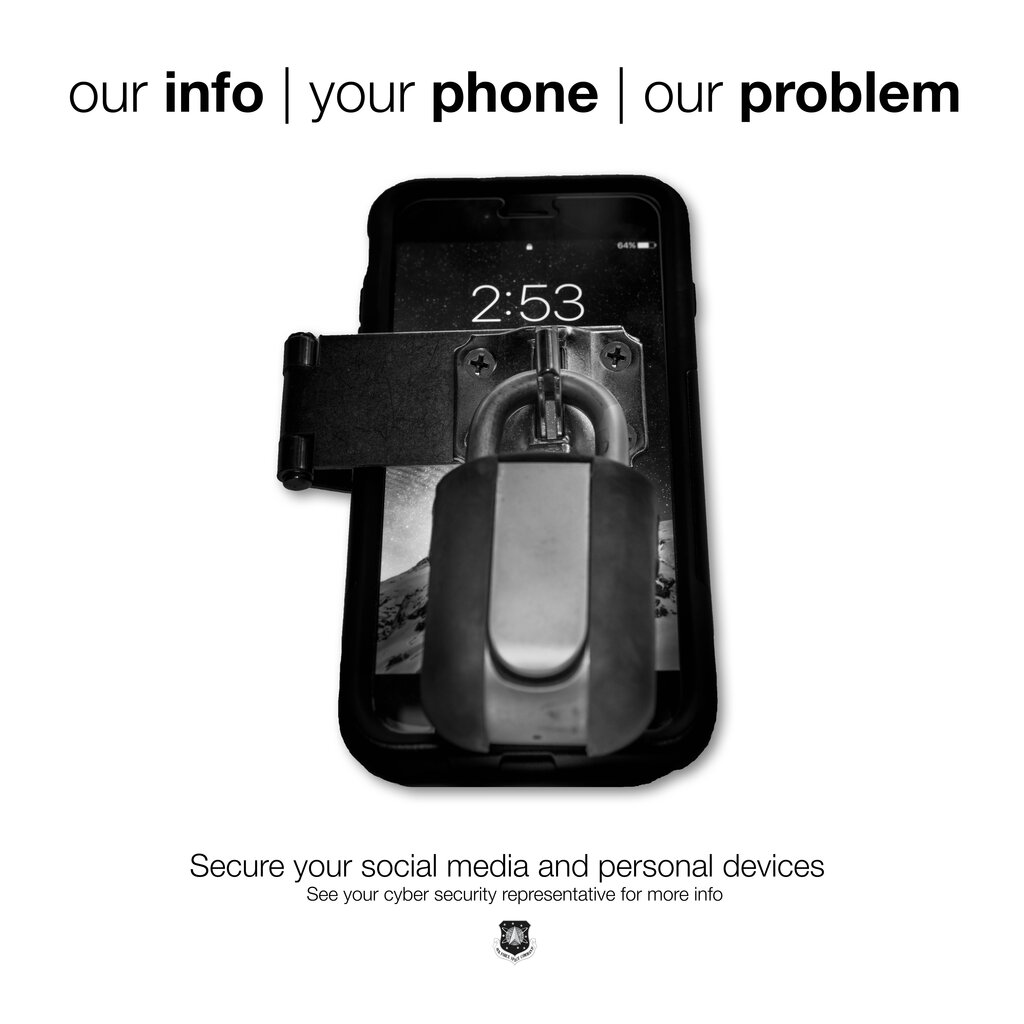
In our daily lives, we rely on our devices and the internet for almost everything. This convenience comes with risks. Without good cybersecurity habits, we can become vulnerable to scams, identity theft, and loss of private data. Just like you lock your front door to protect your home, you need to take steps to secure your digital world.
The Core Principles
To understand cybersecurity, experts often focus on three core principles. Together, they form a model for thinking about information security known as the CIA triad: Confidentiality, Integrity, and Availability.
Confidentiality is about keeping secrets. It ensures that data is accessible only to authorized users. Think of it like a sealed letter; only the intended recipient should be able to open it and read the contents.
Next is Integrity, which is about trust and accuracy. It means that the information is authentic and has not been tampered with. When you send an email, integrity ensures that the message your friend receives is the exact same one you wrote, with no alterations along the way.
Availability means that information and systems are up and running when you need them. If you try to log into your online bank account, you expect the website to be working. Availability ensures that services are not disrupted by attacks or system failures.
Common Threats to Watch For
Cyber threats are actions designed to disrupt, damage, or gain unauthorized access to your digital life. They often target one or more of the CIA principles. Understanding the most common types can help you spot them.
malware
noun
Short for malicious software, it is any software intentionally designed to cause disruption to a computer, server, client, or computer network.
Another major threat is phishing. This is a type of scam where attackers try to trick you into giving them sensitive information, like passwords or financial details. They often do this by sending fake emails or text messages that look like they're from a legitimate company, such as your bank or a popular online store.
A typical phishing message might say: "We've detected suspicious activity on your account. Please click this link to verify your identity immediately."
Finally, data breaches are incidents where sensitive or confidential information is released from a secure environment. This can happen when a company you use gets hacked. Your personal information, from your name and email to your password, could be stolen and sold online. This is why using unique passwords for every service is so important.
Your Role in Staying Safe
You are the most important part of your own cybersecurity. Technology can help, but your actions and awareness make the biggest difference. Simple habits can significantly boost your digital defenses.
Humans are often the weakest link in cybersecurity.
Start by creating strong, unique passwords for all your accounts. Enable two-factor authentication (2FA) whenever possible—this adds an extra layer of security by requiring a second piece of information, like a code sent to your phone, to log in.
Be skeptical of unsolicited emails and messages, especially those that create a sense of urgency. Before clicking a link or downloading an attachment, take a moment to verify it's legitimate. Keeping your software and apps updated is also crucial, as updates often include patches for security vulnerabilities.
Now, let's test what you've learned about the basics of cybersecurity.
What is the primary goal of cybersecurity?
In the CIA triad of cybersecurity, what does 'Integrity' refer to?
By understanding these basic concepts, you've taken the first step toward a safer digital life. Staying informed and cautious is the key to protecting yourself online.