Everyday Chemistry and DIY Creations
Atomic Structure
The Building Blocks of Everything
Everything you see around you—the chair you're sitting on, the air you're breathing, the screen you're reading—is made of atoms. Think of atoms as the ultimate LEGO bricks of the universe. While there are over a hundred different kinds of these bricks, called elements, they are all built from the same three tiny particles: protons, neutrons, and electrons.
At the center of every atom is a dense core called the nucleus. This is where you'll find the protons and neutrons packed tightly together. Protons have a positive (+) electrical charge, while neutrons, as their name suggests, are neutral (no charge). Whizzing around the nucleus in a sort of cloud are the electrons, which have a negative (-) charge. The positive charge of the protons in the nucleus is what keeps the negatively charged electrons from flying away.
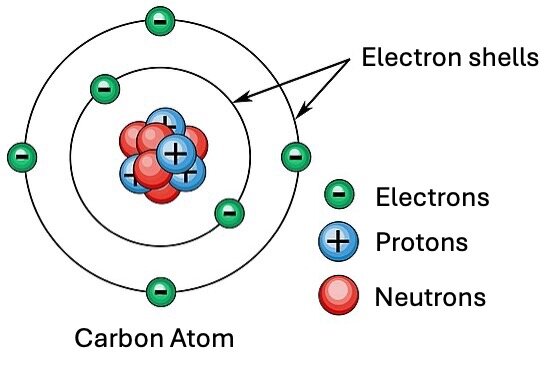
In a neutral atom, the number of electrons is equal to the number of protons. Their opposite charges cancel each other out, giving the atom an overall neutral charge.
An Atom's Identity Card
What makes an atom of gold different from an atom of oxygen? It's all about the number of protons. The number of protons in an atom's nucleus is its unique identifier, like a fingerprint. This count is called the atomic number, and it's what defines an element.
An atom with one proton is always hydrogen. An atom with six protons is always carbon. An atom with 79 protons is always gold.
While protons define an element's identity, the nucleus also contains neutrons. The total number of protons and neutrons combined gives us the atom's mass number. Electrons are so incredibly tiny and light that their mass is usually ignored when calculating the mass number.
So, for the carbon atom shown earlier, it has 6 protons and 6 neutrons. Its atomic number is 6 (making it carbon), and its mass number is 12.
Atomic Cousins
While the number of protons for an element is fixed, the number of neutrons can vary. Atoms of the same element that have different numbers of neutrons are called isotopes.
isotope
noun
One of two or more species of atoms of a chemical element with the same atomic number and position in the periodic table and nearly identical chemical behavior but with different atomic masses and physical properties.
Think of isotopes as different models of the same car. They're all the same brand (the element) but might have slightly different weights. Hydrogen, for example, has three common isotopes. Most hydrogen atoms are just a single proton with one electron. But some have a neutron, and a very rare few have two neutrons.
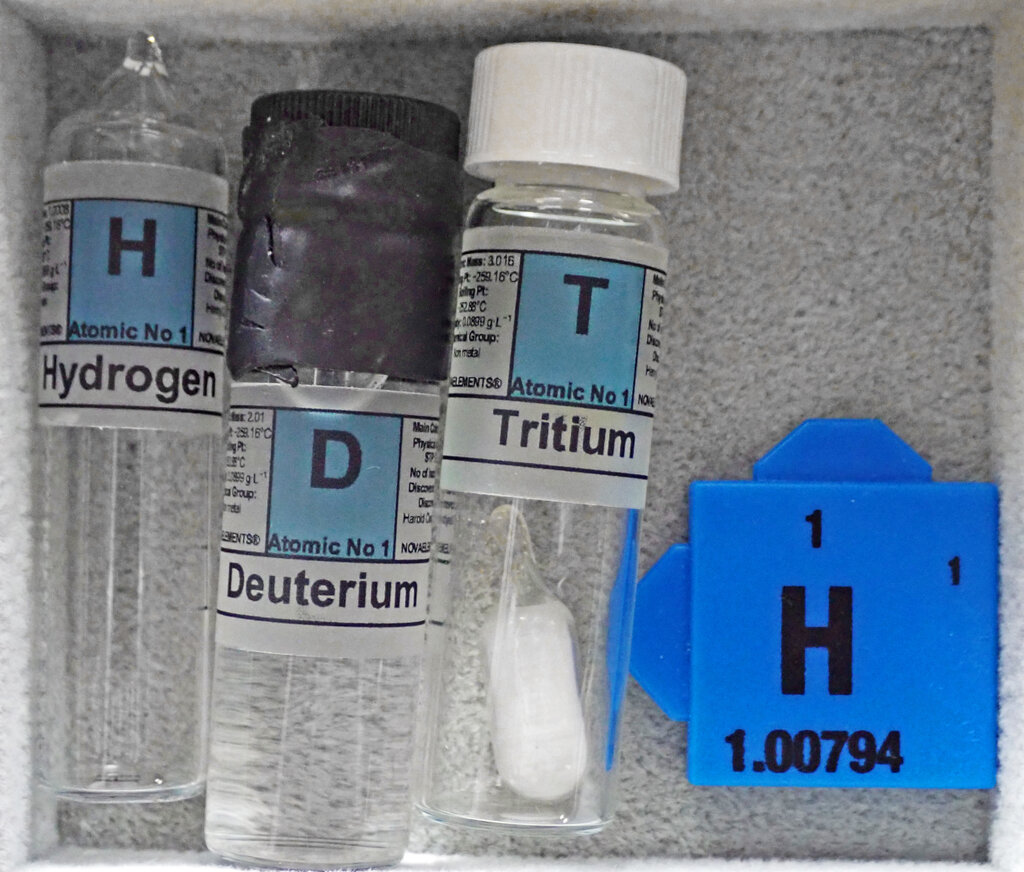
Chemically, all these isotopes behave like hydrogen. But the difference in mass gives them unique physical properties.
Where Electrons Live
Electrons don't just swarm around the nucleus randomly. They occupy specific energy levels, or shells, similar to planets orbiting the sun at different distances. Each shell can only hold a certain number of electrons. The arrangement of electrons in these shells is called the electron configuration.
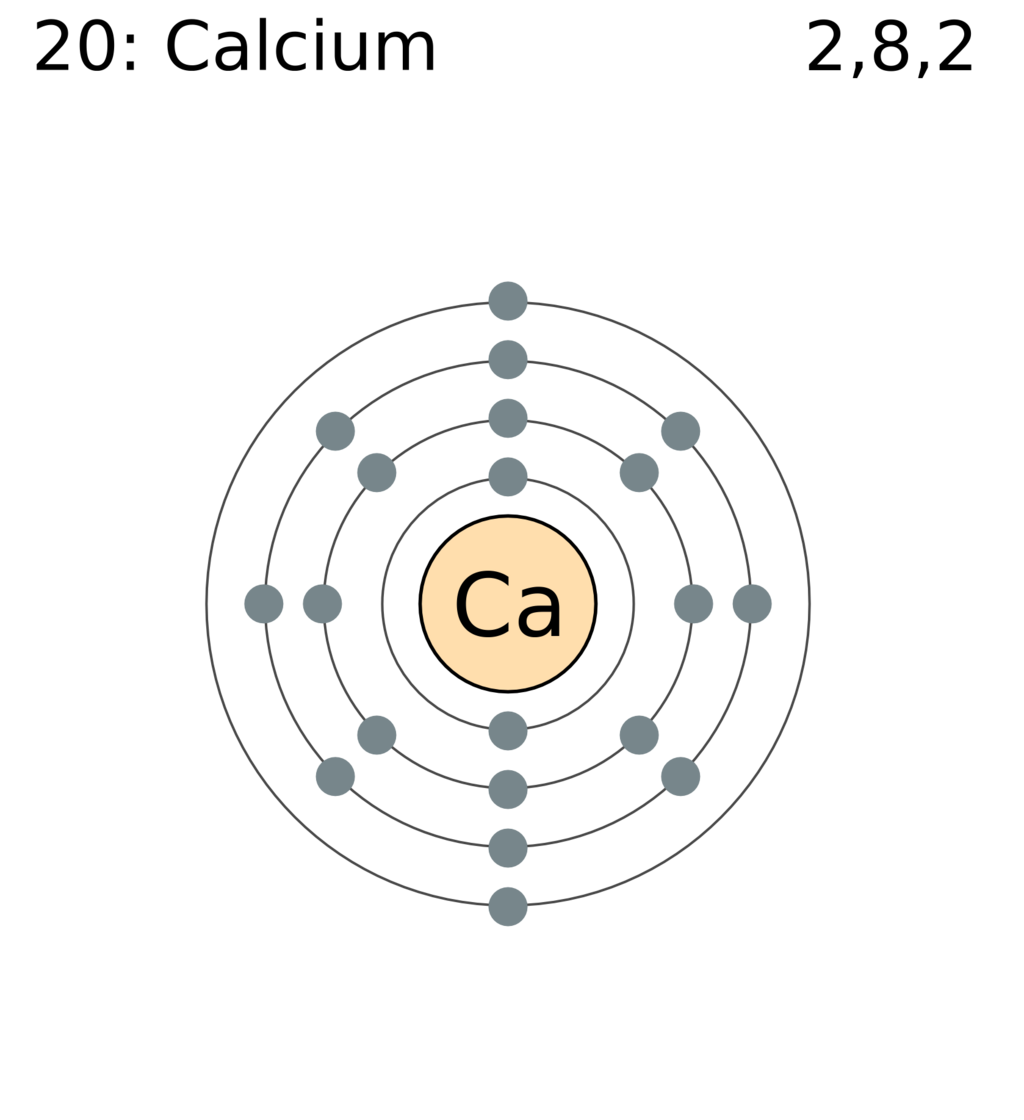
The first shell, closest to the nucleus, can hold a maximum of 2 electrons. The second shell can hold up to 8, the third can hold up to 18, and so on. Electrons fill the innermost shells first before moving to outer shells.
This arrangement is crucial because it's the electrons in the outermost shell that determine how an atom interacts with other atoms. They're the key players in forming the world around us.
Now, let's test your understanding of these atomic building blocks.
Which three particles are the fundamental building blocks of an atom?
What uniquely defines an element's identity?