Everyday AI Applications
Introduction to AI in Daily Life
Your Life, Powered by AI
Artificial intelligence has moved from science fiction into the fabric of our daily lives. You likely interact with dozens of AI systems before you even finish your morning coffee. From the navigation app that reroutes you around traffic to the streaming service that suggests your next favorite show, AI is constantly working in the background.
This isn't about futuristic robots. It's about practical systems that learn from data to perform specific tasks. When your email client flags a message as spam, that's a classification algorithm at work. When your phone's camera automatically adjusts for low light, it's using computational photography powered by AI. These applications are designed to be seamless, making routines simpler and more efficient without needing our direct input.
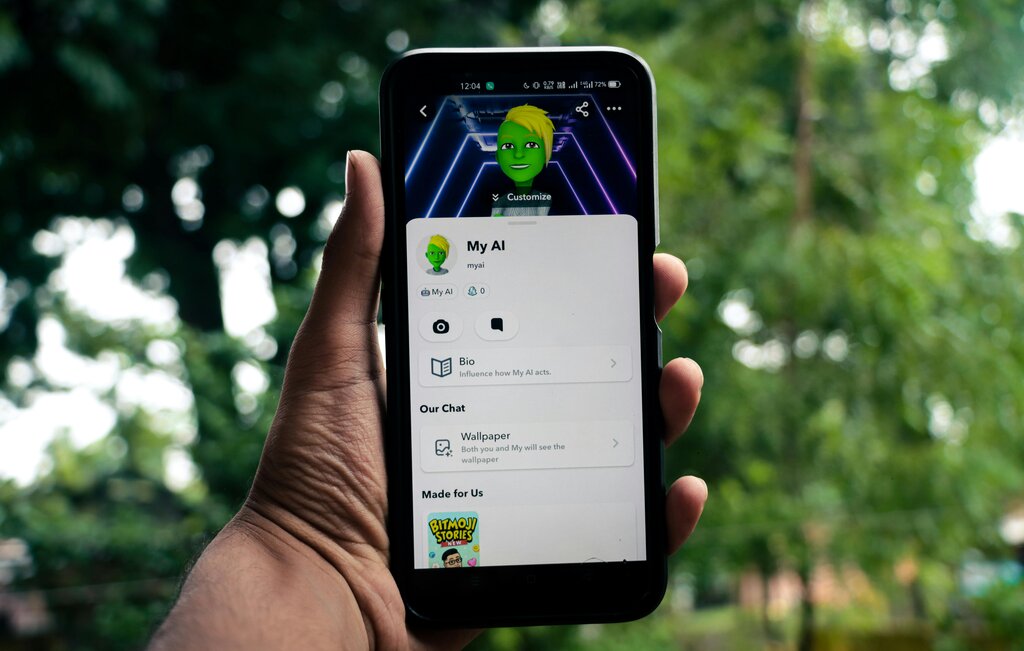
These tools operate on principles you're familiar with, like pattern recognition and prediction. They analyze vast amounts of data to understand what's typical and what's not, what's relevant, and what comes next. This allows them to personalize experiences, automate repetitive tasks, and provide useful information at just the right moment.
Everyday AI in Action
Let's look at some common consumer products and services where AI plays a pivotal role.
| Application | How AI is Used |
|---|---|
| E-commerce | Personalized product recommendations and dynamic pricing. |
| Social Media | Content curation for your feed and friend suggestions. |
| Banking | Fraud detection systems that flag unusual transactions. |
| Smart Home Devices | Voice assistants that understand and execute commands. |
| Navigation Apps | Real-time traffic analysis and optimal route planning. |
Each of these examples involves AI making decisions based on data. An e-commerce site doesn't just show you random items; it shows you products similar to ones you've viewed or purchased, leveraging collaborative filtering and other machine learning techniques. Your smart speaker isn't just playing back recordings; it's using natural language processing (NLP) to interpret your spoken words and respond appropriately.
Shifting Routines
The integration of AI subtly yet significantly alters both personal and professional habits. At home, meal planning can be assisted by apps that suggest recipes based on the ingredients you have. In the workplace, AI tools are changing how we approach tasks.
Professionally, AI can automate the tedious parts of a job, freeing up time for more strategic thinking. For example, AI can summarize long documents, schedule meetings by checking everyone's availability, and even write initial drafts of emails or reports. This shift allows people to focus on creativity, complex problem-solving, and collaboration—areas where human intelligence still excels.
Instead of replacing humans, many AI tools act as assistants or co-pilots, enhancing productivity by handling routine, data-driven work.
This partnership with technology requires adapting our skills. The focus moves from performing a task to defining the goal and evaluating the AI's output. Understanding how to interact with these systems, prompt them effectively, and interpret their results is becoming a crucial skill in many fields.
According to the text, what is the primary way artificial intelligence works in everyday applications like spam filters and navigation apps?
When a smart speaker like Alexa or Google Assistant understands your spoken command, which specific field of AI is it primarily using?
As we continue, we'll explore these applications in greater detail, looking at how different types of AI are deployed to solve specific, real-world problems.