Event-Related Desynchronization and Synchronization
Introduction to Brain Rhythms
The Rhythms of Your Brain
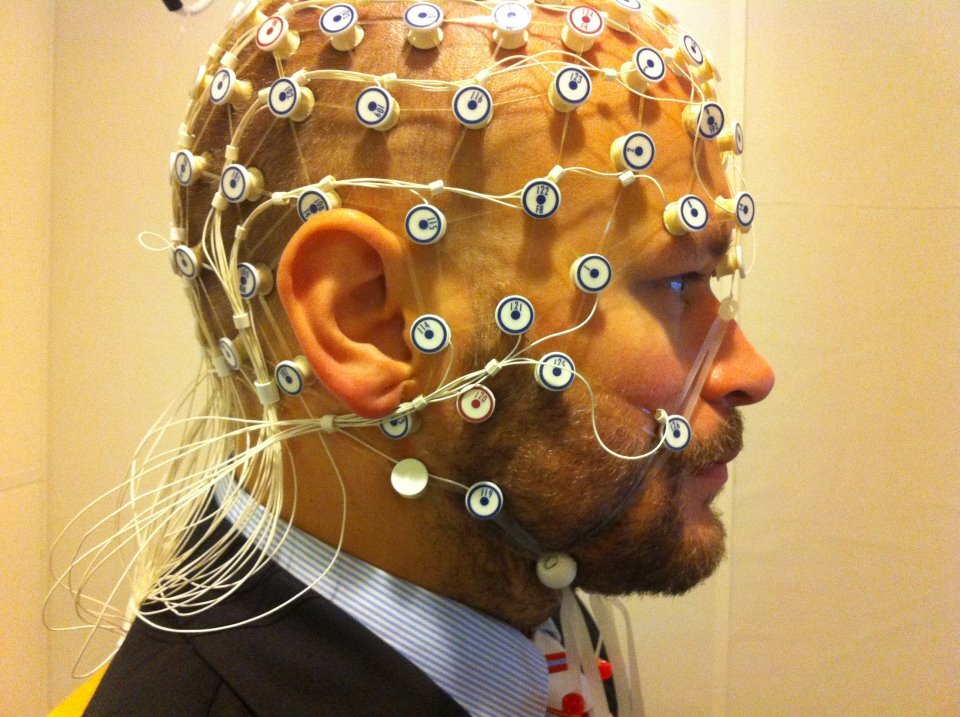
Your brain is a massive orchestra of billions of neurons, and just like an orchestra, its members need to coordinate their actions. They do this by firing in synchronized rhythms, creating what we call neural oscillations or brain waves. Think of it like a huge crowd at a stadium. When small groups clap at random, it’s just noise. But when they all start clapping in unison, they create a powerful, rhythmic pulse. That pulse is like a brain wave.
These electrical rhythms aren’t just background noise. They are fundamental to how your brain processes information, communicates between different regions, and supports everything from sleep to sharp focus. By measuring this electrical activity, typically with a technique called electroencephalography (EEG), scientists can get a glimpse into the brain's real-time operations.
Decoding the Frequencies
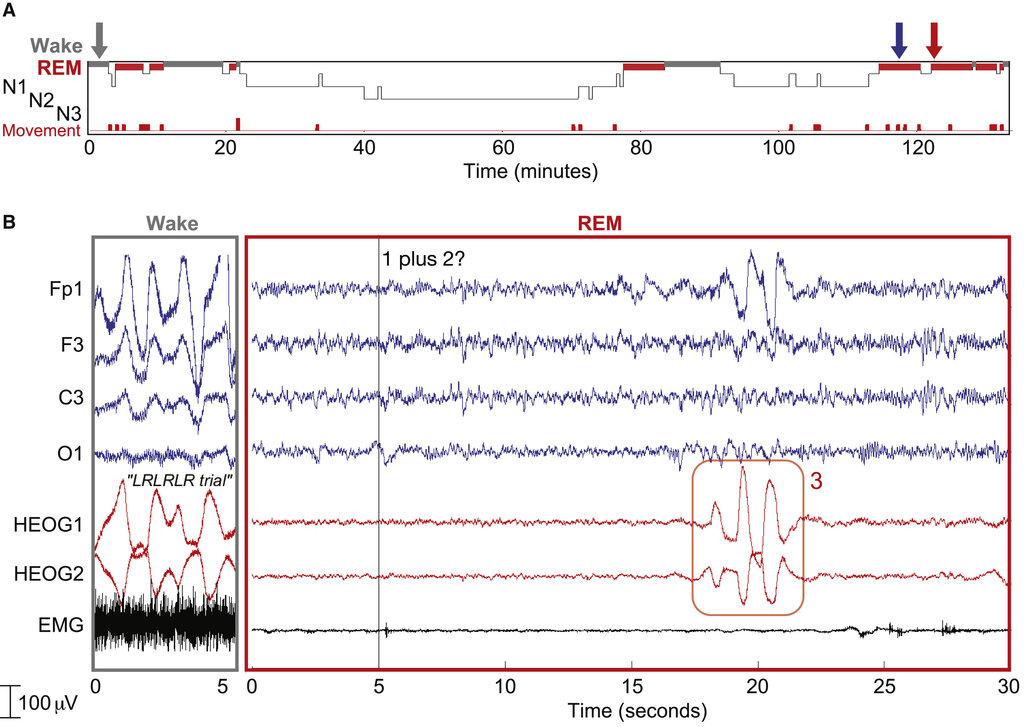
Brain waves are categorized into different frequency bands, measured in cycles per second, or Hertz (Hz). Each band is linked to different states of consciousness and mental activities. Slower frequencies are generally associated with rest and sleep, while faster frequencies correspond to alertness and complex cognitive tasks.
| Wave Type | Frequency Range (Hz) | Associated States |
|---|---|---|
| Gamma (γ) | 30 - 100+ Hz | Peak focus, learning, memory, information processing |
| Beta (β) | 12 - 30 Hz | Active thinking, problem-solving, motor control, alertness |
| Alpha (α) | 8 - 12 Hz | Awake but relaxed, calm, reflective, eyes closed |
| Theta (θ) | 4 - 8 Hz | Deep relaxation, meditation, light sleep, memory consolidation |
| Delta (δ) | 0.5 - 4 Hz | Deep, dreamless sleep, unconsciousness |
hertz
noun
A unit of frequency equal to one cycle per second. It's used to measure the speed of oscillations, like brain waves.
A Tour of Your Brain's Rhythms
Let's explore what each of these rhythms does, from the slowest waves of deep sleep to the fastest hum of peak concentration.
Delta Waves (0.5 - 4 Hz): Deep Restoration Delta waves are the slowest and have the highest amplitude. They dominate during deep, dreamless sleep. This is your brain's most restorative phase, crucial for healing the body and consolidating certain types of memory. You are completely unconscious when delta waves are in charge.
Theta Waves (4 - 8 Hz): The Twilight Zone As you drift into a lighter sleep or enter a state of deep meditation, theta waves become more prominent. They are often associated with creativity, emotional connection, and memory retrieval. The hazy, dreamlike state just before you fall asleep or right after you wake up is rich with theta activity. It's a key rhythm for solidifying new memories.
Alpha Waves (8 - 12 Hz): Calm and Aware Close your eyes and take a deep breath. The brain rhythm that likely just took over is the alpha wave. It’s the brain's default,