Event Launch and Marketing Strategy
Strategy and Platforms
Strategy Before Software
A high-impact event doesn't start with choosing a platform. It starts with a clear, measurable goal. Forget vague objectives like "brand awareness." For a two-hour event, you need a conversion-oriented goal. This means defining a specific action you want attendees to take.
Your goal might be generating a specific number of Sales Qualified Leads ([{
}]), scheduling demos, or even driving direct purchases of a product. Be specific. A number gives you a target to hit and a benchmark for success.
With a short, two-hour window, your topic must address an urgent pain point, not a general interest. People are busy. They won't dedicate two hours to a 'nice-to-know' topic. They will, however, show up for a solution to a problem that's costing them time or money right now. Frame your event not as a lesson, but as a focused problem-solving session.
Choosing Your Platform
Once your strategy is set, you can choose the right tool for the job. The webinar platform you select significantly influences attendee engagement and your ability to hit your goals. Each has distinct strengths and weaknesses.
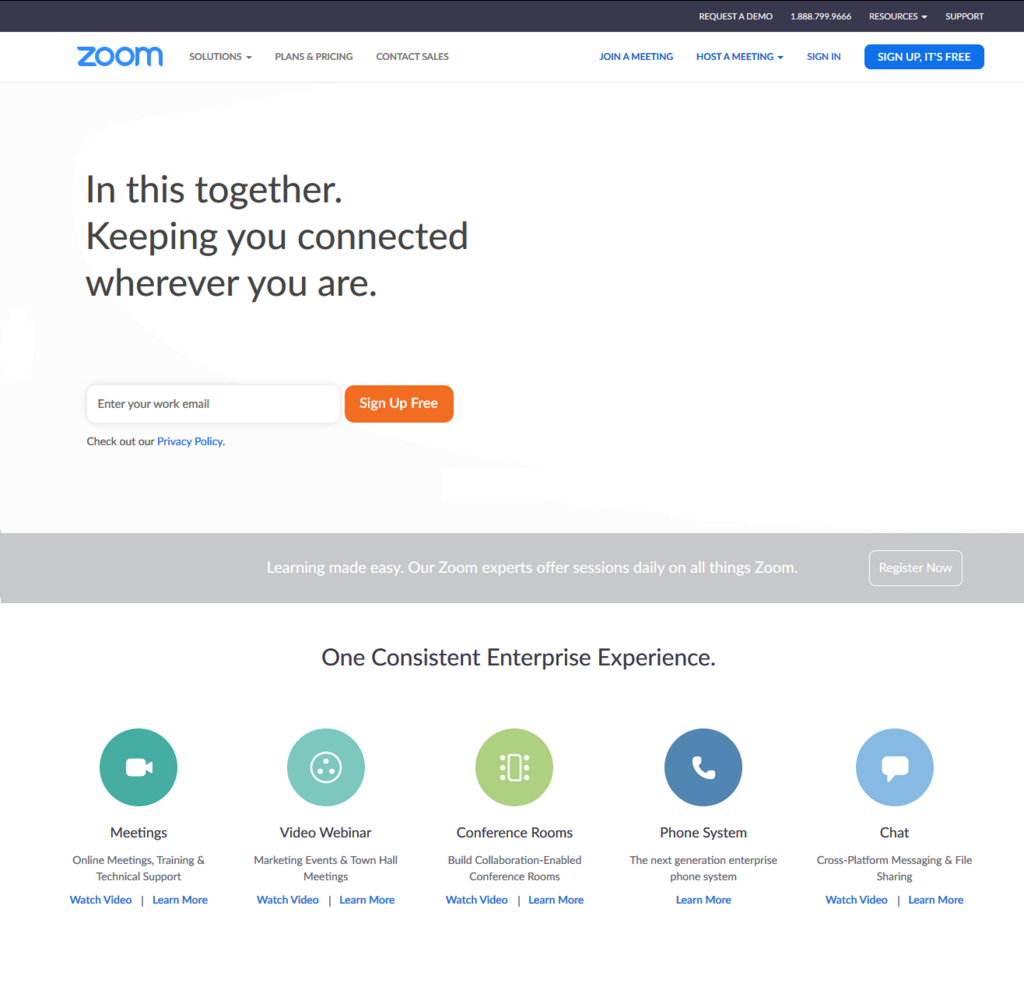
Here's a breakdown of the top contenders for 2025:
| Platform | Best For | Key Feature | Key Limitation |
|---|---|---|---|
| Zoom Webinars | High reliability & scale | Rock-solid stability for large audiences. | Limited built-in marketing and engagement tools. |
| Demio | Driving engagement & conversions | Marketing-focused tools like polls, offers, and CTAs. | Can be less stable with very large audiences. |
| EasyWebinar | Hybrid & automated events | Strong capabilities for transitioning a live event into an evergreen webinar series. | The user interface can feel less modern than competitors. |
| Livestorm | All-in-one & automation | Integrates well with other tools and has powerful analytics. | Can be more expensive than other options. |
Your choice depends on your primary objective. If you're delivering a critical presentation to 10,000 people and can't risk a glitch, Zoom's reliability is unmatched. If your goal is to get 50 people to click a 'Buy Now' button during the event, Demio's conversion tools are designed for exactly that. If your strategy involves reusing the content later, EasyWebinar is built for that transition.
The Technical Foundation
Even the best strategy will fail with poor execution. A stable technical setup is non-negotiable. First, ensure bandwidth stability. Always use a wired ethernet connection instead of Wi-Fi. It dramatically reduces the risk of dropouts.
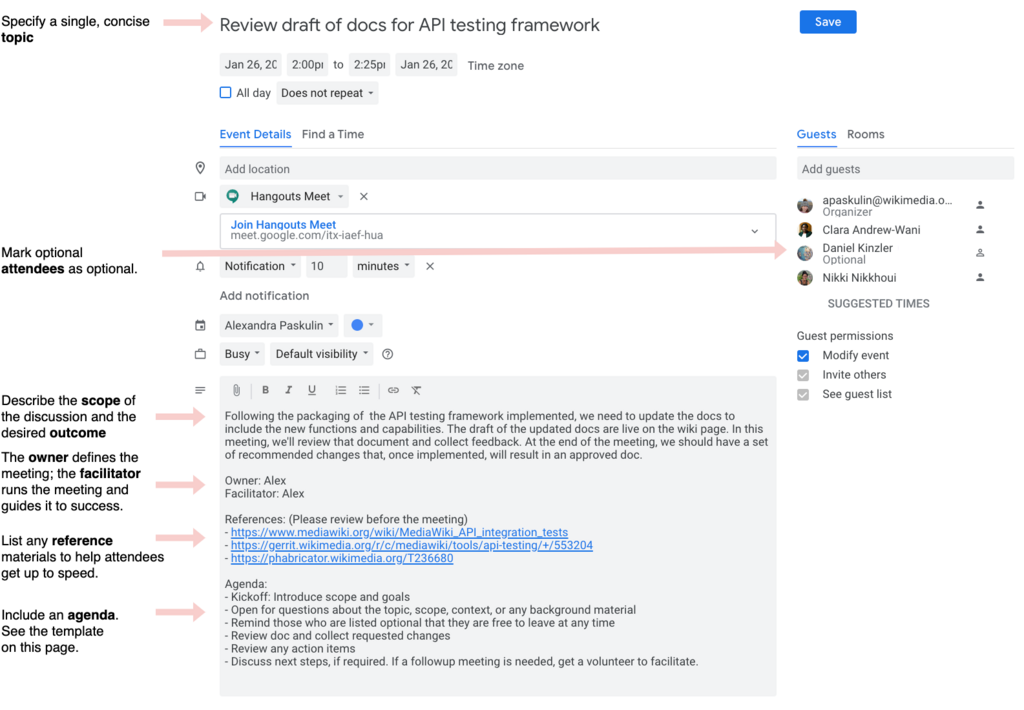
Second, build in audio redundancy. Your audio is more important than your video. Have a high-quality primary microphone (a USB mic is a great start) and a backup ready to go. This could be a headset or even the microphone on your webcam. If one fails, you can switch over in seconds without derailing the event.
Finally, ensure your webinar platform integrates with your [{
Now that you have your strategy, it's time to put it to the test.
According to the provided text, what is the most critical first step when planning a high-impact, two-hour event?
For a short, two-hour event, what kind of topic is most likely to attract attendees?