Evening Stress Relief for Busy Parents
Understanding Parental Stress
The Weight of Parenting
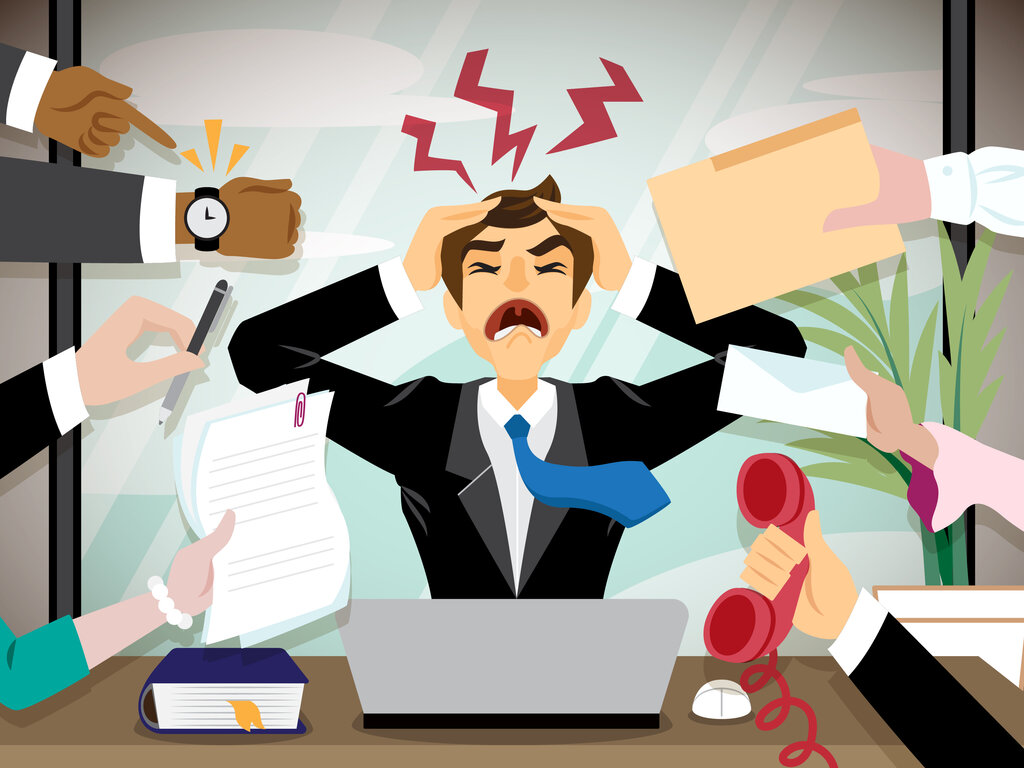
Parenting is a demanding job, and when you have more than one child, the demands multiply. Each child has their own needs, personality, and schedule. Juggling these moving parts creates a unique kind of pressure known as parental stress. It's the feeling of being overwhelmed by the responsibilities and challenges of raising children, where the demands on you feel greater than the resources you have to meet them.
This isn't just everyday stress that happens to a parent. It’s a specific strain tied directly to your role. It might stem from breaking up sibling squabbles, managing conflicting after-school schedules, dealing with different developmental stages at once, or simply feeling like you're being pulled in too many directions to be the parent you want to be.
Stressor
noun
Any event, situation, or stimulus that is perceived as a threat and causes a stress response.
Common stressors for parents of multiple children include financial pressures, lack of personal time, sleep deprivation, and worries about each child's well-being. The feeling of being judged by other parents or family members can also add to the load. These stressors are not just isolated incidents; they often pile up, creating a constant, low-level hum of pressure.
How Stress Affects You
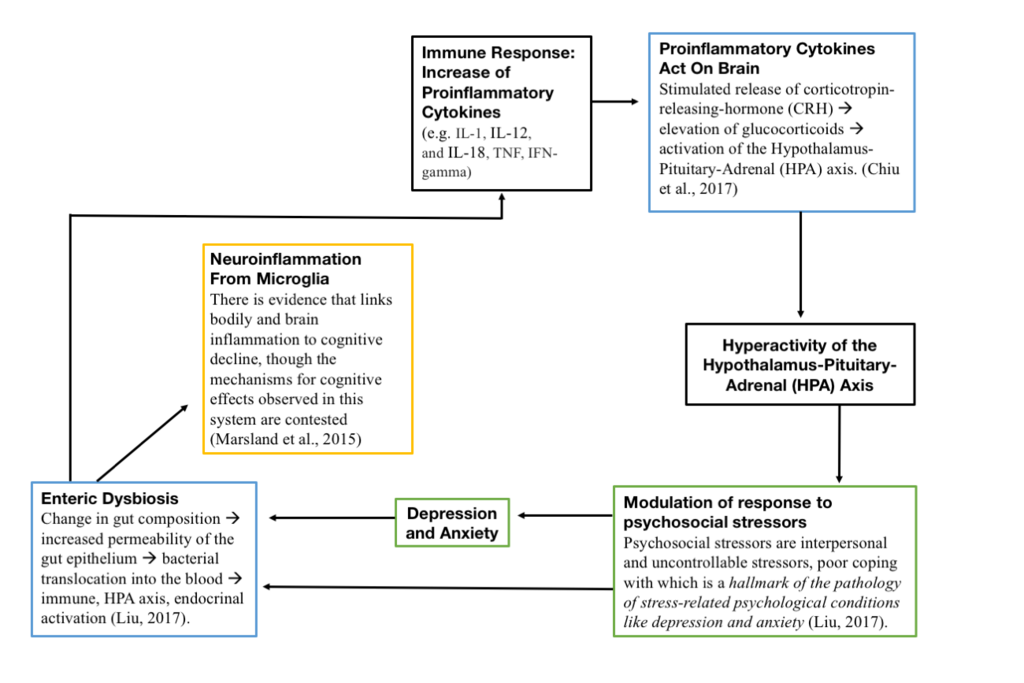
When you encounter a stressor, your body kicks into high gear. This "fight or flight" response releases hormones like adrenaline and cortisol, preparing you to handle a threat. In the short term, this is helpful. But when stressors are constant, your body stays in this alert state. Over time, chronic stress can have real consequences for your physical and mental health.
Physically, you might experience frequent headaches, muscle tension, fatigue, and an upset stomach. Your sleep might suffer, making it even harder to cope with daily demands. Mentally, chronic stress can lead to anxiety, irritability, sadness, and difficulty concentrating. You might find yourself snapping at your kids or partner over small things, not because you want to, but because your capacity to cope is worn thin. This can create a cycle of stress and guilt that's hard to break.
Recognizing Your Stress Signals
The first step to managing stress is learning to recognize it in yourself. Stress shows up differently for everyone. What’s your personal tell? Maybe it's a tight feeling in your chest, a tendency to clench your jaw, or the impulse to endlessly scroll on your phone. These signals are your body's way of telling you that you're reaching your limit. Paying attention to them is crucial.
| Physical Symptoms | Emotional Symptoms | Behavioral Symptoms |
|---|---|---|
| Headaches | Irritability or anger | Withdrawing from others |
| Fatigue or exhaustion | Anxiety or worry | Changes in eating habits |
| Upset stomach | Feeling overwhelmed | Changes in sleep patterns |
| Muscle tension | Sadness or tearfulness | Procrastinating |
| Clenched jaw | Difficulty concentrating | Increased use of caffeine |
Recognising psychological stress symptoms is the first step in managing stress effectively.
Take a moment to think about the last time you felt truly stressed. What was happening in your body? What thoughts were running through your mind? Identifying your personal stressors and recognizing your unique signs of stress are powerful acts of self-awareness. They don't fix the problem, but they give you the clarity needed to start addressing it.