Evaluation Metrics and Agantic Coding
Introduction to Software Evaluation Metrics
What Are Software Metrics?
Software metrics are quantifiable measures used to track the quality and progress of software development. Think of them as a health check for both the product and the process used to build it. Without metrics, judging software quality can be purely subjective, based on feelings or opinions. Metrics provide objective data to help teams make informed decisions.
The core purpose of metrics is to turn abstract concepts like "quality" and "efficiency" into concrete numbers you can analyze and act upon.
By tracking the right things, a development team can answer critical questions: Is the quality of our code improving? Are we finding and fixing bugs efficiently? Is the project on schedule and within budget? This data-driven approach is key to managing complex software projects and consistently delivering high-quality products.
The Three Main Types
Software metrics generally fall into three broad categories: product, process, and project metrics. Each type provides a different lens through which to view a software development effort.
| Metric Type | Focus | Example Questions Answered |
|---|---|---|
| Product Metrics | The software itself | How complex is the code? Does it run efficiently? How reliable is it? |
| Process Metrics | The development lifecycle | How effective is our bug-fixing process? How long does it take to review code? |
| Project Metrics | Project management | Are we on budget? Will we meet our deadline? Are we using our team effectively? |
Product metrics measure the characteristics of the software, such as its size, complexity, and performance.
Process metrics focus on the efficiency and effectiveness of the methods used to create the software. This includes everything from how requirements are gathered to how code is tested and bugs are resolved.
Project metrics describe the overall project characteristics and execution. They help managers track costs, schedules, and productivity to ensure the project stays on course.
What Do They Actually Measure?
Metrics aren't just numbers; they measure specific attributes that determine the overall quality of a piece of software. Three of the most fundamental attributes are functionality, reliability, and maintainability.
Functionality
noun
The degree to which a system performs its specified functions.
Functionality is about whether the software does what it's supposed to do. It’s the baseline for quality. If the software doesn't work, nothing else matters.
Reliability
noun
The ability of a system to perform its required functions under stated conditions for a specified period of time.
Reliability measures how consistently the software performs without failing. A reliable application is stable, predictable, and available when users need it.
Maintainability
noun
The ease with which a software system can be modified to correct faults, improve performance, or adapt to a changed environment.
Software is rarely finished. It needs to be updated, fixed, and adapted over time. Maintainability measures how easy it is to make those changes. Highly maintainable code is well-structured, clearly written, and easy for any developer on the team to work with.
A Quick Look Back
The field of software metrics has evolved significantly over the decades. In the early days of programming, one of the only metrics available was Lines of Code (LOC). While easy to count, LOC is often a poor indicator of quality or productivity. A shorter, more elegant solution is usually better than a long, convoluted one, but LOC would reward the latter.
As the industry matured, developers and researchers realized they needed more sophisticated ways to measure software. This led to the creation of metrics for things like code complexity, which analyzes the number of decision paths in a program. The focus shifted from simply measuring size to understanding structure, quality, and efficiency.
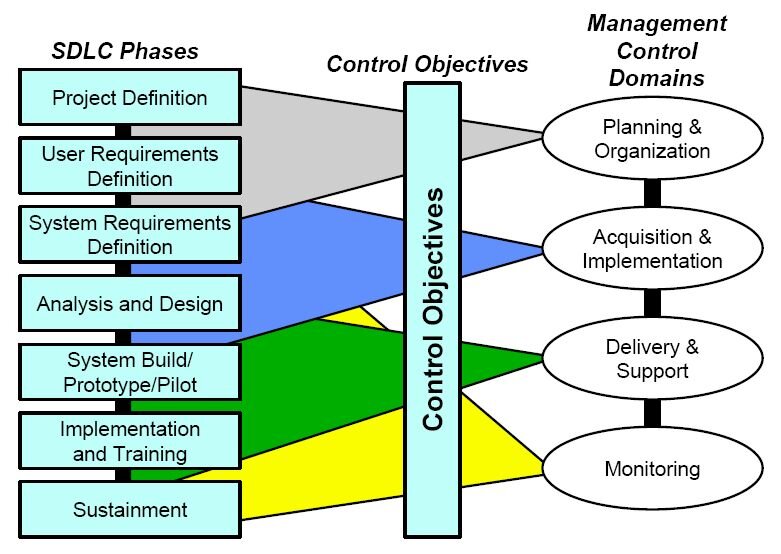
Today, metrics cover the entire software lifecycle, from initial planning to long-term maintenance, helping teams build better software more effectively.
Choose Metrics Aligned with Your Program’s Goals
Before you can test your knowledge, let's review the core concepts we've covered.
Now, let's see what you've learned.
What is the primary purpose of using software metrics?
A team is tracking the number of bugs found and fixed per week. Which category of software metric does this fall into?
Understanding these basic types of metrics and the attributes they measure is the first step toward using data to guide the software development process.