EV Charging Explained
Introduction to EV Charging
The Backbone of Electric Mobility
Electric vehicles (EVs) are quiet, quick, and produce no tailpipe emissions. But the car itself is only half the story. Just as gasoline cars rely on a vast network of gas stations, EVs depend on a robust and accessible charging infrastructure. This network is the key to making electric transportation practical for everyone.
Without enough chargers in the right places—at home, at work, and along highways—drivers can experience "range anxiety," the fear of running out of power before reaching a destination. A well-planned charging infrastructure eliminates this worry, making EVs a convenient and reliable choice for daily commutes and long road trips alike.
To enable the electrification of transportation systems, it is important to understand how technologies such as grid storage, solar photovoltaic systems, and control strategies can aid the deployment of electric vehicle charging at scale.
How Charging Works
The power grid supplies alternating current (AC), but an EV battery, like any other battery, stores energy as direct current (DC). The core task of EV charging is to convert AC from the grid into DC for the battery.
For most common charging methods, this conversion happens inside the vehicle. Every EV has an "onboard charger" that takes in AC power from a charging station and transforms it into DC power to fill the battery. The size and capability of this onboard charger set a limit on how quickly the car can charge using AC power.
However, there's a faster way. Some powerful charging stations can bypass the car's onboard charger entirely. These stations perform the AC-to-DC conversion themselves and feed DC power directly into the battery. This allows for much higher charging speeds, as the process is no longer limited by the car's internal hardware.
The Three Levels of Charging
EV charging is categorized into three main levels based on the speed and power they deliver. Each level serves a different purpose.
Level 1 Charging is the simplest method. It uses a standard 120-volt wall outlet, the same kind you use to charge your phone. You just need a special charging cord that comes with most EVs. Because the power output is low, charging is slow, typically adding only 3 to 5 miles of range per hour. It's a practical option for drivers with short daily commutes who can plug in their car overnight.
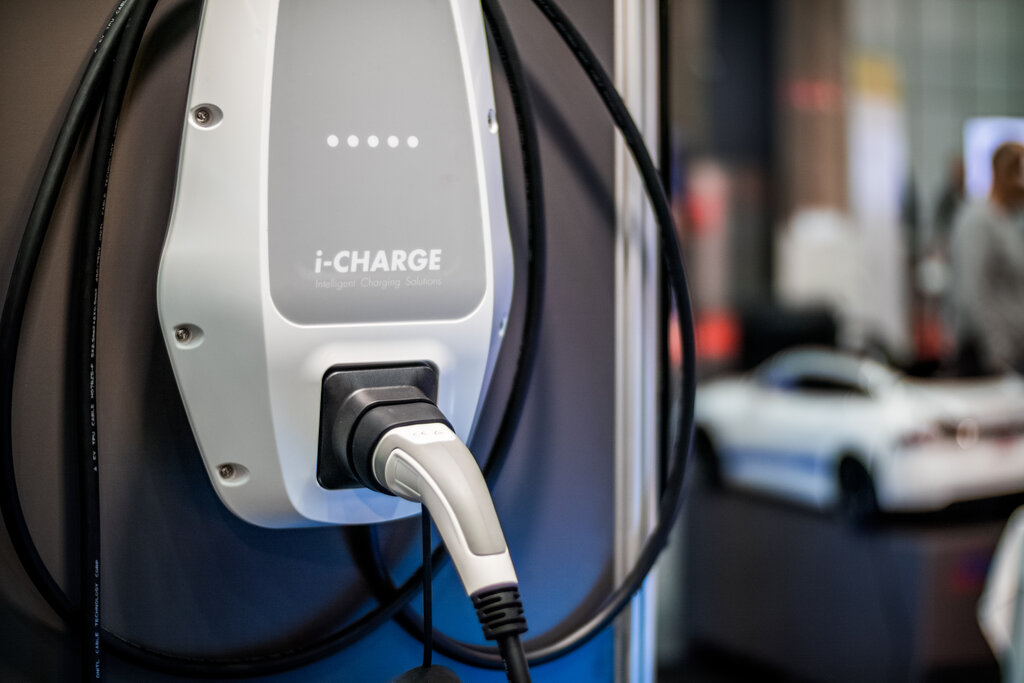
Level 2 Charging is the most common type for both home and public use. It uses a 240-volt circuit, similar to what an electric dryer or oven uses. This provides significantly more power than a Level 1 outlet, allowing it to add 12 to 60 miles of range per hour, depending on the charger's amperage and the vehicle's capabilities. A Level 2 charger can typically recharge a depleted EV battery overnight, making it the workhorse of daily EV life.
DC Fast Charging, sometimes called Level 3, is the speed demon of the charging world. As mentioned, these stations convert power to DC before it enters the car, allowing them to deliver a massive amount of energy directly to the battery. They are primarily found along major travel corridors and can charge a battery to 80% in as little as 20 to 60 minutes. This makes long-distance travel in an EV practical.
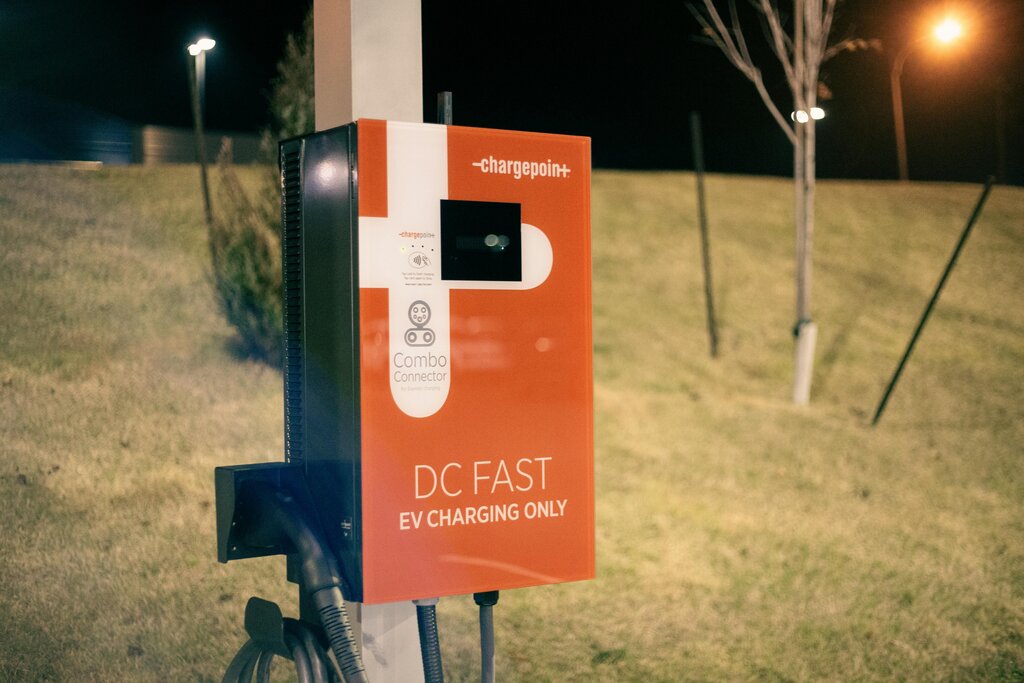
Here's a quick comparison of the three charging levels.
| Level | Voltage | Typical Location | Charging Speed (Range per Hour) |
|---|---|---|---|
| Level 1 | 120V AC | Home (standard outlet) | 3-5 miles |
| Level 2 | 240V AC | Home, Workplace, Public | 12-60 miles |
| DC Fast Charge | 480V+ DC | Highway corridors, Public | 100-250+ miles |
Understanding these different levels helps you decide how and where to charge your vehicle based on your needs, whether it's a slow top-off overnight or a quick boost on a cross-country trip.
Time to check your understanding of EV charging basics.
What is the primary purpose of a widespread and accessible EV charging infrastructure?
During a typical Level 2 charging session, where does the conversion of AC power from the grid to DC power for the battery take place?
With the basics of charging infrastructure and levels covered, you're ready to explore the different types of connectors and plugs used to link cars to the grid.