EV Charger Power Electronics Simulation
Introduction to Power Electronics
What is Power Electronics?
At its heart, power electronics is about controlling electrical energy. Think of it like a sophisticated water plumbing system. You have a source of water, maybe a high-pressure main line, but you need to deliver it to different taps at just the right pressure and flow rate. Power electronics does the same thing, but for electricity.
It takes electrical power from a source, like a wall outlet or a battery, and converts it into the precise form needed by a device. This could mean changing alternating current (AC) from the grid to direct current (DC) for your laptop, or taking the DC from an electric car's battery and converting it to the AC needed to run its motor.
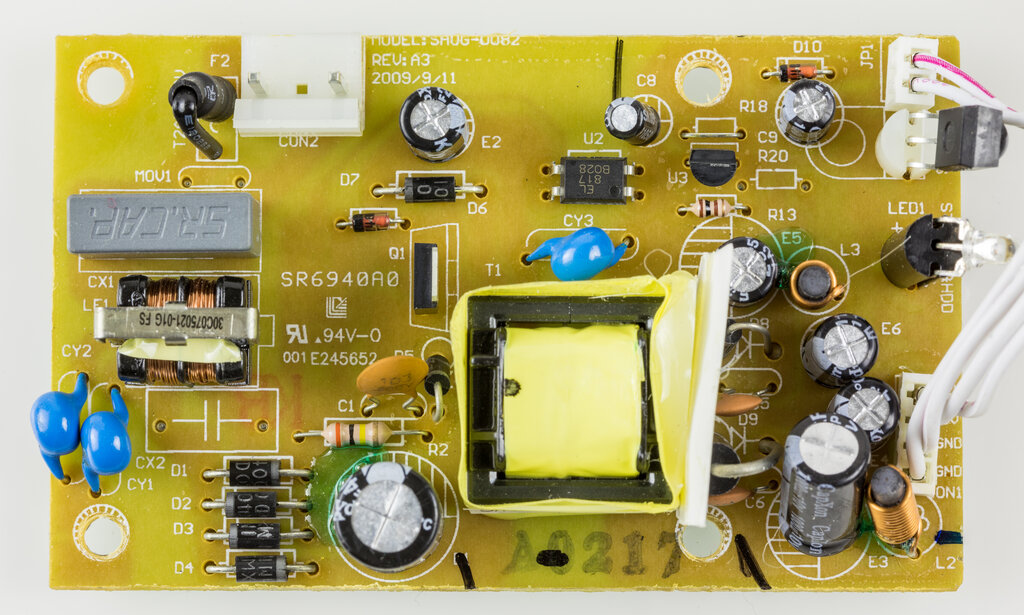
The main job of power electronics is to process and control the flow of electric energy by supplying voltages and currents in a form that is optimally suited for user loads.
This control is achieved using solid-state electronic devices that act as high-speed switches, turning on and off thousands or even millions of times per second. By precisely timing these switches, we can shape and regulate electrical power with incredible efficiency, minimizing wasted energy.
The Building Blocks
Power electronic systems are built from a few key semiconductor devices. These components are the fundamental switches that control the flow of power.
Diode
noun
A semiconductor device that acts as a one-way gate for electricity, allowing current to flow easily in one direction but blocking it almost completely in the opposite direction.
Diodes are the simplest of these components. They're like one-way valves, ensuring electricity only moves in the intended direction. This is crucial for tasks like converting AC, where the current direction flips back and forth, into the steady DC required by most electronics.
Thyristor
noun
A type of semiconductor switch that, once triggered to turn on, will continue to conduct current until the current drops below a certain level, regardless of the trigger signal.
Thyristors are a step up in control. You can think of them as a latching switch. A small pulse of current can turn them on, and they stay on, allowing a large amount of power to flow. They only turn off when the main circuit's current stops or reverses. This makes them ideal for controlling high-power AC circuits.
Transistor
noun
A semiconductor device used to amplify or switch electronic signals and electrical power. It is the fundamental building block of modern electronics.
Transistors are the most versatile of the three. Unlike thyristors, they can be turned on and off at will with a small control signal. This allows for very precise and rapid control over power flow. Power transistors, such as MOSFETs (Metal-Oxide-Semiconductor Field-Effect Transistor) and IGBTs (Insulated-Gate Bipolar Transistor), are the workhorses of modern power electronics, enabling the high efficiencies we see today.
Modern Applications
Power electronics is everywhere, often working silently in the background. It's in the power adapter for your phone, the motor controller in your washing machine, and the systems that connect solar panels to the electrical grid.
One of the most visible applications today is in electric vehicle (EV) chargers. When you plug an EV into a charging station, power electronics takes the high-voltage AC from the grid and converts it into the high-current DC needed to charge the car's battery pack. Inside the car itself, another set of power electronics, called an inverter, converts the battery's DC power back into AC to drive the electric motor.
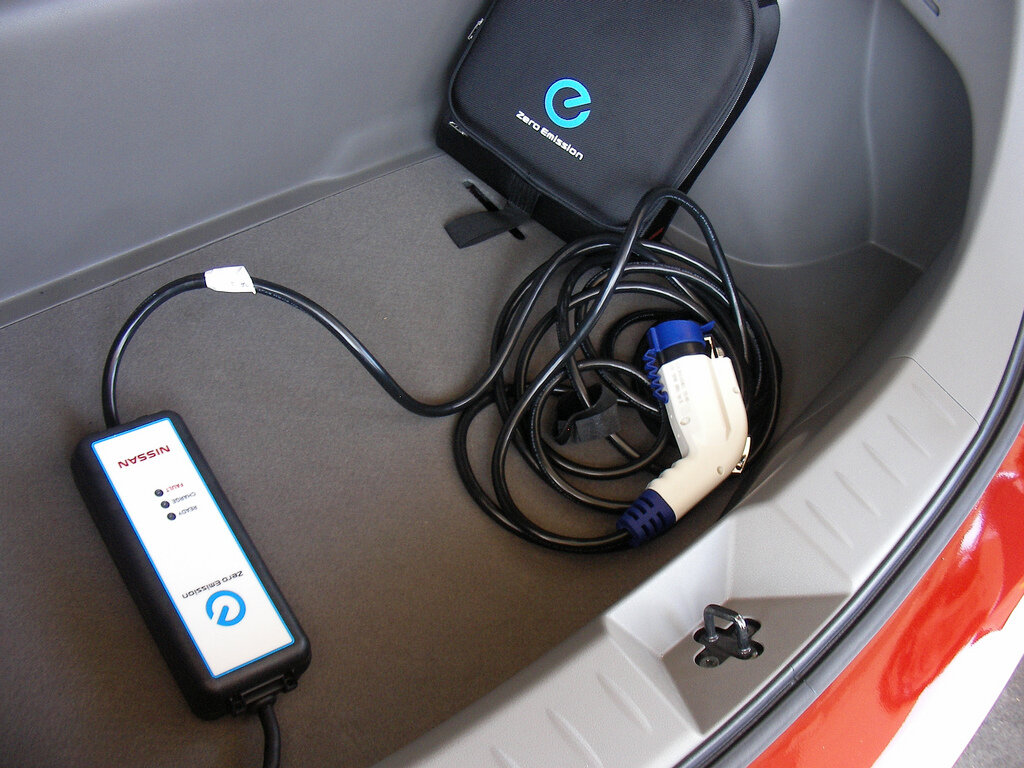
From renewable energy and industrial motor drives to everyday consumer electronics, the ability to efficiently convert and control electricity is fundamental to modern technology. As we push for greater energy efficiency and new technologies, the field of power electronics only becomes more important.
What is the primary function of power electronics?
Which semiconductor device is best described as a 'one-way valve' for electricity?