European Stock Market Investing
European Stock Markets
Europe's Financial Hubs
While the New York Stock Exchange and Nasdaq often grab headlines, Europe is home to several of the world's oldest and most influential stock markets. These exchanges are the primary marketplaces where shares of public companies, along with other financial instruments, are bought and sold. Let's explore the biggest players.
London Stock Exchange (LSE)
With roots stretching back over 300 years, the London Stock Exchange is one of the most historic financial institutions globally. It serves a diverse range of companies, from established British giants to international corporations seeking access to European capital.
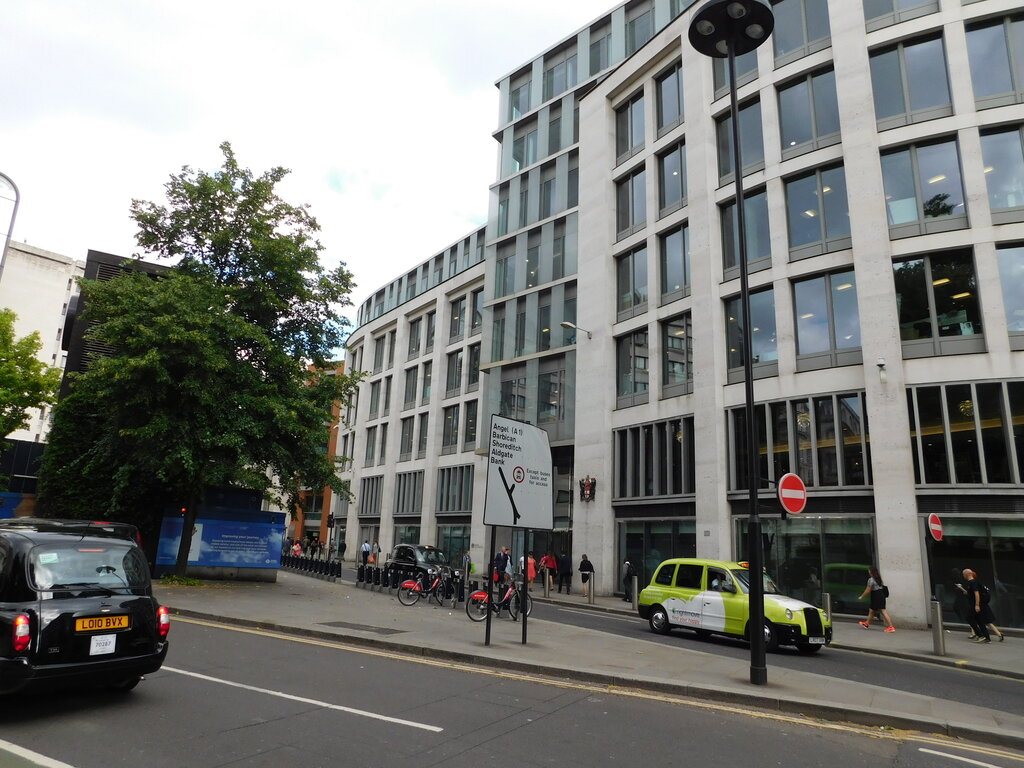
The performance of the LSE's largest companies is tracked by the Financial Times Stock Exchange 100 Index, better known as the FTSE 100 (pronounced "footsie"). This index is a snapshot of the health of the 100 largest UK-listed companies by market capitalization. When you hear news reports about the FTSE being up or down, they're referring to the collective performance of these major players.
Euronext
Euronext is unique because it isn't tied to a single country. It's a pan-European stock exchange, connecting the markets of Amsterdam, Brussels, Dublin, Lisbon, Milan, Oslo, and Paris under one roof. This structure allows investors to easily trade securities from companies across these different economies.
Each country's market within Euronext still has its own benchmark index. The most widely cited is France's CAC 40, which tracks the 40 largest French stocks based on market capitalization on the Euronext Paris.

Deutsche Börse
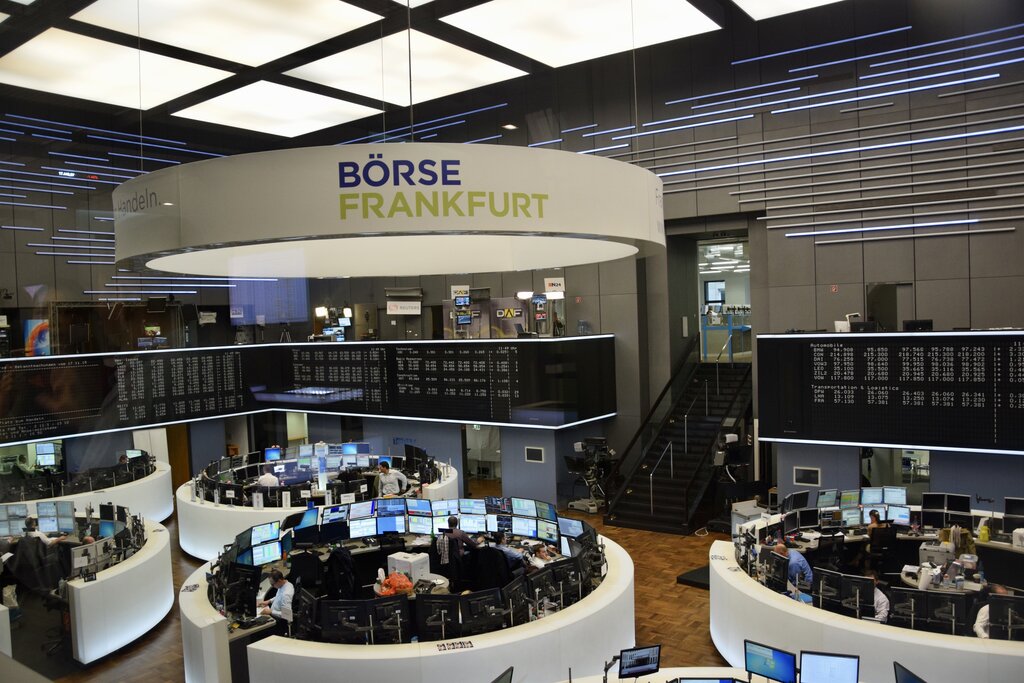
Based in Frankfurt, the Deutsche Börse is Germany's primary stock exchange and a powerhouse in the European economy. It's home to many of the world's leading automotive, chemical, and industrial companies. The Frankfurt Stock Exchange is the public face of the Deutsche Börse group.
The main index for the German market is the DAX (Deutscher Aktienindex). It represents 40 of the largest and most liquid German companies trading on the Frankfurt exchange. The DAX is often seen as a barometer for the health of the entire German economy.
SIX Swiss Exchange
Located in Zurich, the SIX Swiss Exchange is Switzerland's principal stock exchange. It's known for listing some of the world's largest pharmaceutical, food and beverage, and financial services companies. Given Switzerland's reputation for financial stability, its exchange attracts significant international investment.
The performance of its leading companies is measured by the SMI, or Swiss Market Index. This index is composed of the 20 largest and most liquid stocks on the SIX Swiss Exchange.
Each major European exchange has a flagship index, like the FTSE 100 or DAX, that provides a quick gauge of that market's performance.
Here's a quick summary of the exchanges and their key indices:
| Exchange | Location(s) | Key Index |
|---|---|---|
| London Stock Exchange | London | FTSE 100 |
| Euronext | Paris, Amsterdam, etc. | CAC 40 (Paris) |
| Deutsche Börse | Frankfurt | DAX |
| SIX Swiss Exchange | Zurich | SMI |
What's Traded?
While these exchanges are famous for stock trading, they offer much more. The main types of securities you'll find are:
- Equities: Also known as stocks or shares, these represent ownership in a publicly traded company.
- Bonds: These are essentially loans made by an investor to a borrower, which could be a corporation or a government. The exchange facilitates the buying and selling of these debt instruments.
- Derivatives: These are more complex financial contracts whose value is derived from an underlying asset, like a stock or a commodity. Options and futures are common examples.
By providing a regulated marketplace for these different securities, European exchanges play a vital role in channeling investment capital to businesses and governments.
Let's review the key terms from this section.
Ready to check your understanding?
Which stock index tracks the 40 largest and most liquid German companies on the Frankfurt Stock Exchange?
The Euronext exchange is unique among those listed because it is a pan-European exchange, not tied to a single country.
Understanding these major markets is the first step to navigating the landscape of European investing.