European Slavery in Nigeria
Introduction to the Transatlantic Slave Trade
The Rise of a Global Trade
In the 15th century, European explorers, primarily the Portuguese, began sailing down the coast of West Africa. Initially, their interest was in gold and spices. However, they soon found another commodity: people. At the same time, European powers like Spain and Portugal were establishing colonies in the Americas. These colonies, particularly the vast sugar plantations in Brazil and the Caribbean, required a massive labor force.
Attempts to enslave the indigenous populations of the Americas largely failed, as disease and brutal working conditions decimated their numbers. European indentured servants were too few to meet the demand. Plantation owners turned to Africa, creating a catastrophic system that would forcibly move millions of people across the Atlantic Ocean and shape the world for centuries to come.
The Triangular Trade
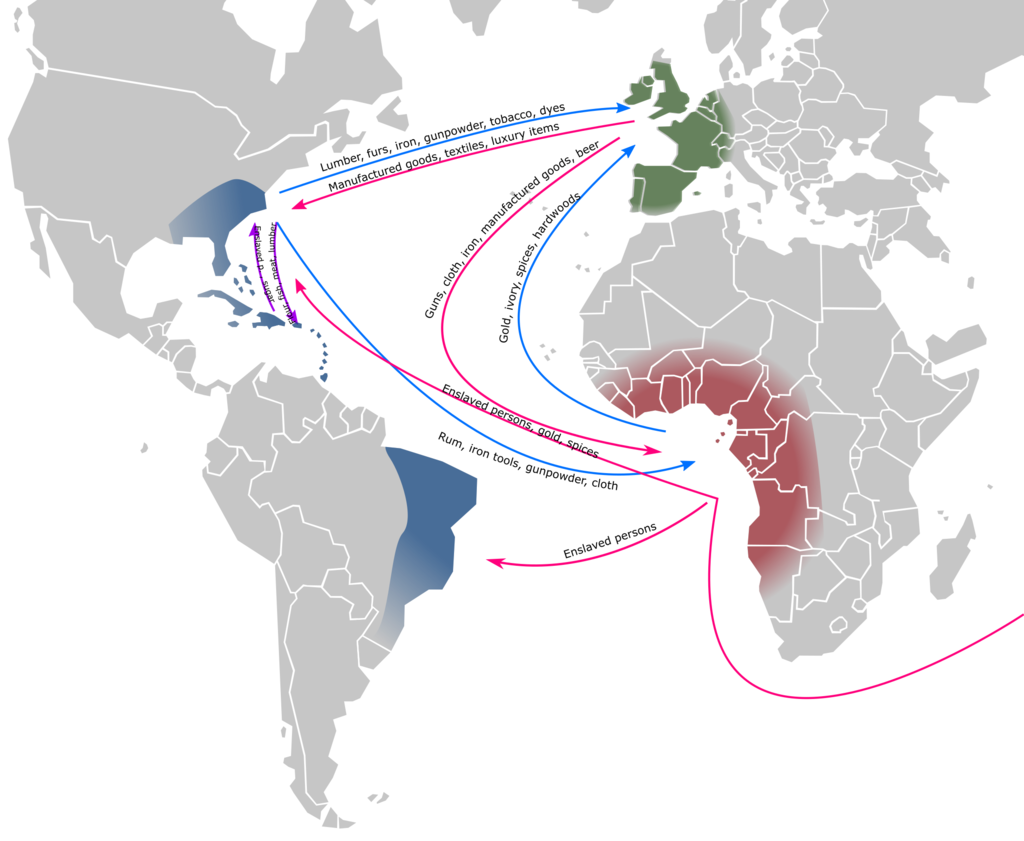
The transatlantic slave trade wasn't a simple, one-way route. It was a complex economic system known as the triangular trade, connecting three continents: Europe, Africa, and the Americas. Each point of the triangle represented a different stage of the exchange.
The trade itself was structured as a triangle: starting in Europe, goods such as textiles, rum, and manufactured items were shipped to Africa, where they were exchanged for enslaved individuals.
The first leg of the journey involved ships leaving European ports filled with manufactured goods like cloth, guns, and alcohol. These goods were sailed to the coast of West Africa and traded with African leaders and merchants in exchange for captured people.
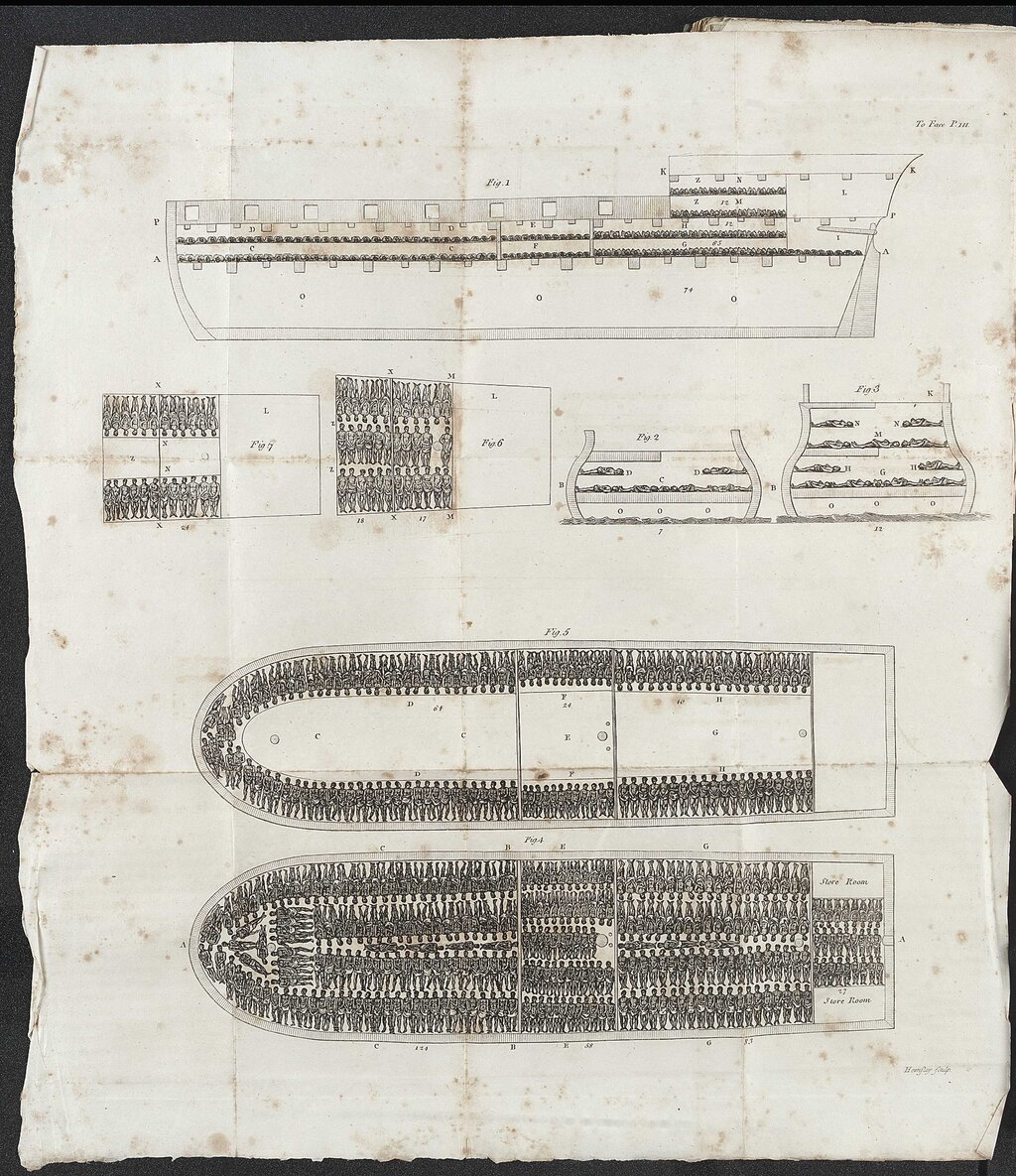
The second leg, known as the Middle Passage, was the horrific journey of enslaved Africans across the Atlantic to the Americas. Packed into unimaginably crowded and unsanitary ships, they endured a voyage that could last for months. Disease, malnutrition, and brutal treatment were rampant. Millions did not survive.
The third and final leg completed the triangle. Ships, having sold the enslaved people in the Americas, were loaded with the products of their labor: sugar, cotton, tobacco, and coffee. These raw materials were then transported back to Europe, generating immense profits for the traders and fueling industrial growth.
The scale of this forced migration was immense. It was the largest long-distance movement of people in history before the 20th century.
Over the period of the Atlantic Slave Trade, from approximately 1526 to 1867, some 12.5 million captured men, women, and children were put on ships in Africa, and 10.7 million arrived in the Americas.
The Major Players
While Portugal and Spain were the pioneers of the transatlantic slave trade, other European nations quickly followed, eager to profit from the system. Great Britain, France, and the Netherlands became major participants, establishing their own colonies and trade routes. These nations competed fiercely for control over trading posts in Africa and territories in the Americas.
| Nation | Primary Colonial Destinations for Enslaved People |
|---|---|
| Portugal | Brazil |
| Spain | Caribbean islands, mainland Spanish America |
| Britain | Caribbean (especially Jamaica, Barbados), North America |
| France | Caribbean (especially Saint-Domingue), Louisiana |
| Netherlands | Caribbean, Surinam, North America (New Amsterdam) |
The competition between these powers fueled the expansion of the trade, increasing the demand for enslaved Africans and deepening the devastating impact on the African continent. This broad, international system set the stage for specific interactions and consequences in regions all along the West African coast.
Let's review what you've learned about the origins and mechanisms of this global trade system.
What was the primary reason European colonists in the Americas sought to enslave African people?
The complex economic system that involved shipping goods from Europe to Africa, enslaved people from Africa to the Americas, and raw materials from the Americas back to Europe is known as:
Understanding this broader context is crucial as we begin to examine the specific role that the region of modern-day Nigeria played within this vast and tragic system.