European Portuguese Language Guide
Introduction to Portuguese Variants
One Language, Two Worlds
The Portuguese language began its journey on the Iberian Peninsula, sprouting from the Vulgar Latin spoken by Roman soldiers and settlers. For centuries, it evolved in a relatively small corner of Europe. That all changed during the Age of Discovery.
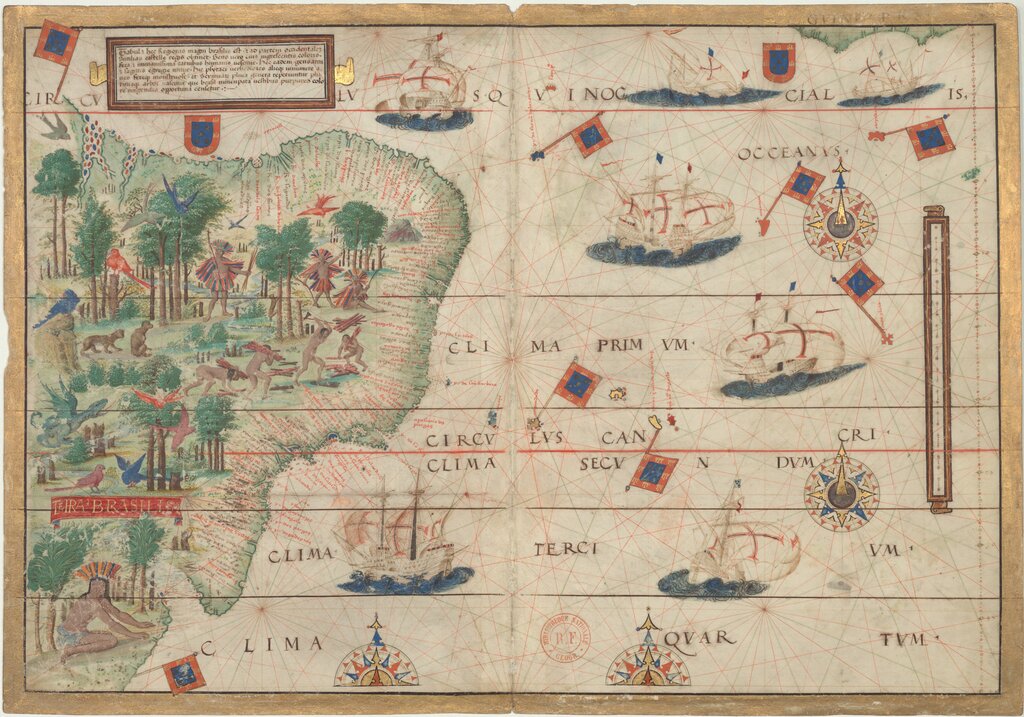
In the 16th century, Portuguese explorers and colonists carried their language across the Atlantic to South America. This single act planted the seed for the language's biggest split. A vast ocean now separated speakers in the homeland from those in the new colony of Brazil.
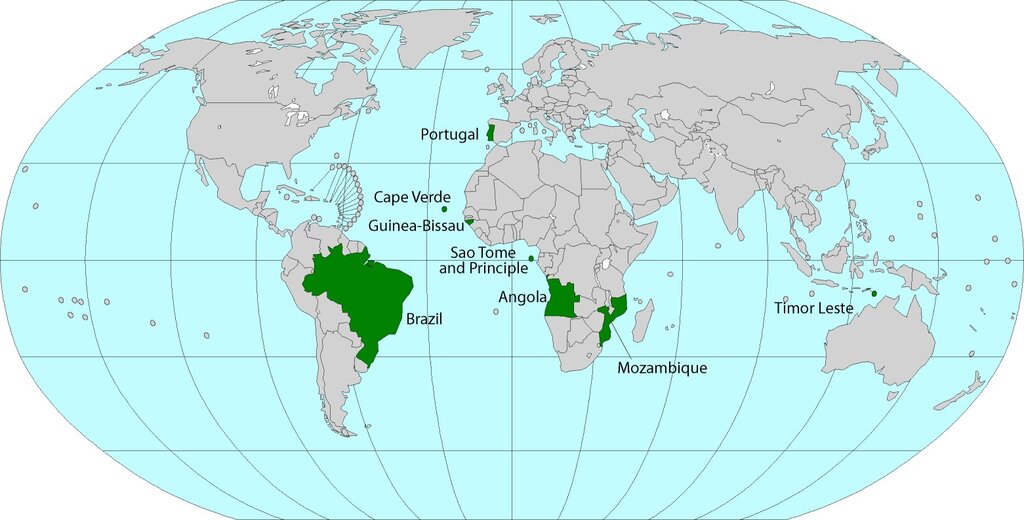
Back in Europe, Portuguese continued to evolve, influenced by its neighbors and its own cultural shifts. But in Brazil, the language was on a completely different path. It mixed with the tongues of the indigenous peoples, like the Tupi, and later with the languages of enslaved Africans.
These different historical and cultural streams caused the language to diverge. Brazilian Portuguese developed a unique flavor, absorbing new words and developing its own rhythm and sounds. The sheer size and isolation of Brazil allowed these changes to flourish and spread.
As a result, modern Portuguese has two major standards: European and Brazilian. While speakers of each can generally understand one another, the differences are significant. They are most noticeable in three key areas: pronunciation, grammar, and vocabulary.
While European and Brazilian Portuguese are mutually intelligible, there are notable differences in grammar, vocabulary, spelling, and, most significantly, pronunciation.
Think of it like two relatives who grew up in different countries. They share a family resemblance, but their accents, slang, and ways of speaking tell the stories of their different lives. Understanding this shared history and subsequent divergence is the first step to navigating the rich world of the Portuguese language.