European Human Rights Law
Origins and Development
A New Beginning After War
The devastation of World War II left Europe in ruins. The conflict had revealed a chilling truth: national laws alone were not enough to prevent governments from committing horrific atrocities against their own people. A new approach was needed, one that would protect fundamental human rights across borders.
This desire for lasting peace and the protection of human dignity fueled a movement for greater European unity. Leaders believed that by binding countries together through shared values and legal commitments, they could prevent such a catastrophe from ever happening again. The focus was on creating a system where the rights of the individual were placed above the absolute power of the state.
The Council of Europe
Out of this post-war idealism, the Council of Europe was born in 1949. It's important not to confuse it with the European Union, which is a separate entity focused on economic and political integration. The Council's primary mission was, and still is, to uphold three core pillars: human rights, democracy, and the rule of law.
Ten countries, including the United Kingdom, France, and Italy, were the initial signatories. Their first major task was to create a practical tool to fulfill their mission, a binding treaty that would turn the ideals of the Universal Declaration of Human Rights into an enforceable reality for Europeans.
Crafting the Convention
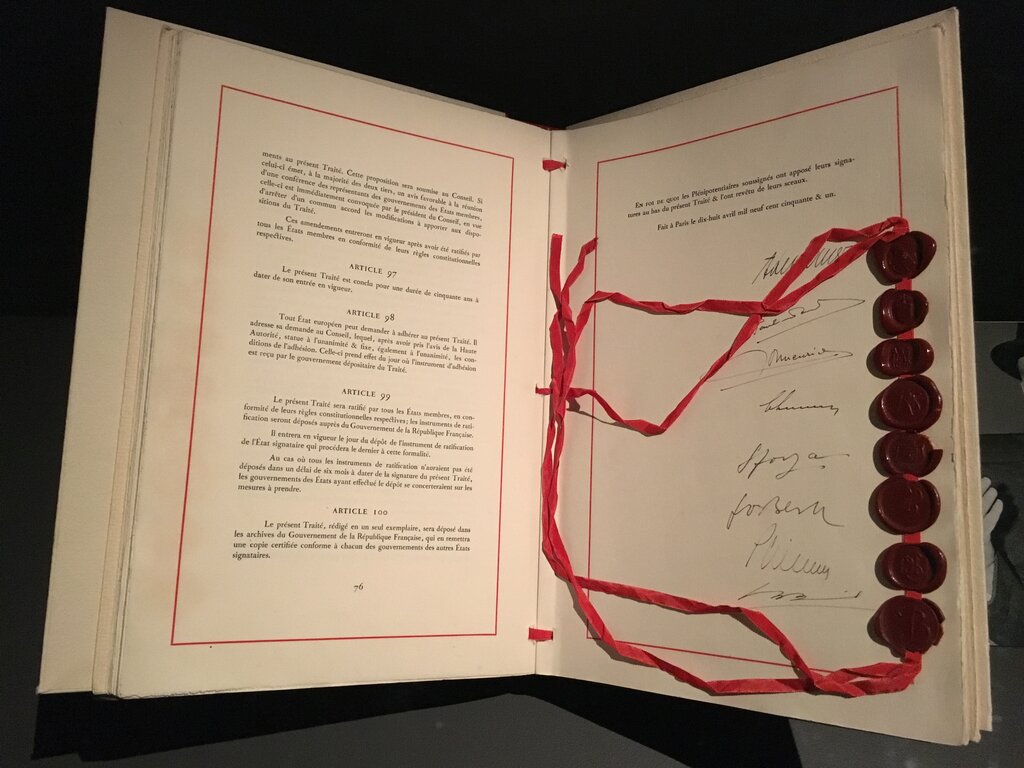
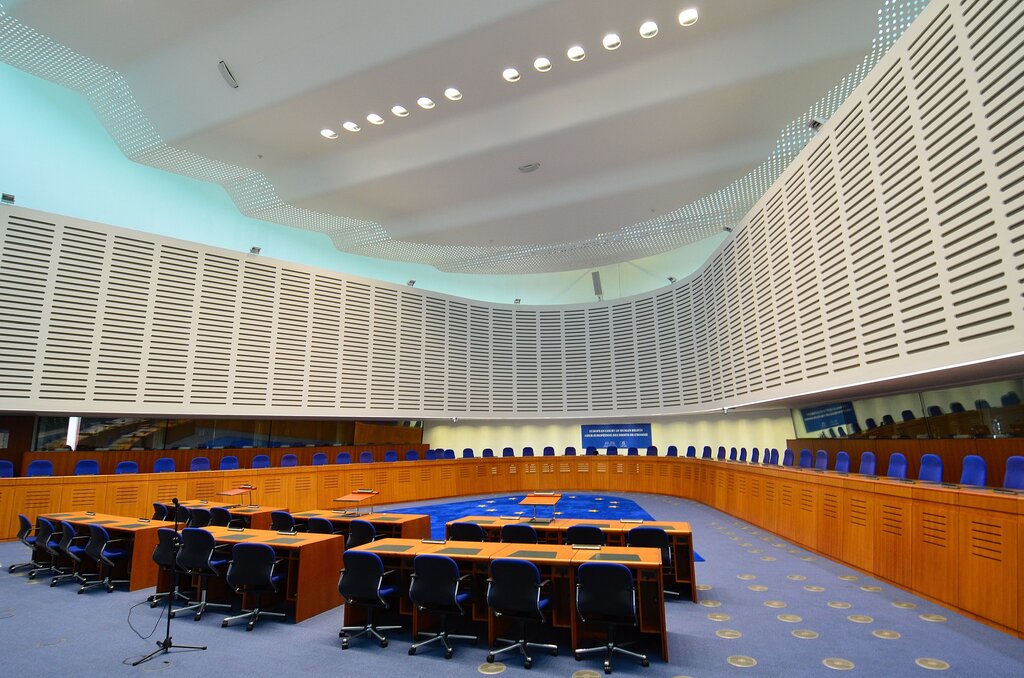
This effort resulted in the European Convention on Human Rights (ECHR), which was drafted and opened for signature in 1950. The Convention was a groundbreaking document. For the first time, an international treaty gave individuals a way to hold their own governments accountable for human rights violations in an international court.
The ECHR established a radical new principle: individuals had rights that even their own state could not violate, and an international body could enforce them.
The Convention enshrined a set of foundational civil and political rights. These weren't vague aspirations; they were concrete legal protections. The core principles included:
- The right to life
- Freedom from torture and slavery
- The right to a fair trial
- Freedom of thought, conscience, and religion
- Freedom of expression and assembly
An Evolving Document
The creators of the ECHR understood that societies change and ideas about human rights evolve. They designed the Convention to be a living instrument, not a static text set in stone. The primary way it adapts is through protocols.
Protocols are additional texts that can amend the Convention or add new rights to it. For a protocol to be binding on a country, that country's government must sign and ratify it. Over the years, protocols have been used to expand protections significantly, reflecting Europe's changing values.
| Protocol No. | Key Addition | Year Adopted |
|---|---|---|
| Protocol 1 | Protects the right to property, education, and free elections. | 1952 |
| Protocol 4 | Prohibits imprisonment for debt and guarantees freedom of movement. | 1963 |
| Protocol 6 | Abolishes the death penalty in peacetime. | 1983 |
| Protocol 13 | Abolishes the death penalty in all circumstances. | 2002 |
This system of protocols ensures the ECHR remains relevant, addressing new challenges and reflecting a deeper understanding of human dignity over time.
Now, let's test your understanding of how this foundational system of human rights came to be.
What was the primary motivation for creating a new system of international human rights protection in Europe after World War II?
The primary mission of the Council of Europe, established in 1949, is to foster economic and political integration among its members.
From the ashes of war, the Council of Europe and the ECHR created a new framework for protecting individuals, one that has continued to grow and adapt for over 70 years.