European Colonialism in Africa and Nigeria
Pre-Colonial African Societies
A Continent of Kingdoms
Before European ships arrived on its shores, Africa was a continent teeming with a vast array of societies. It was home to sprawling empires, powerful kingdoms, and independent city-states. Forget any notion of a simple, uniform land. Pre-colonial Africa was a place of immense political, economic, and cultural diversity, shaped by centuries of internal innovation and exchange.
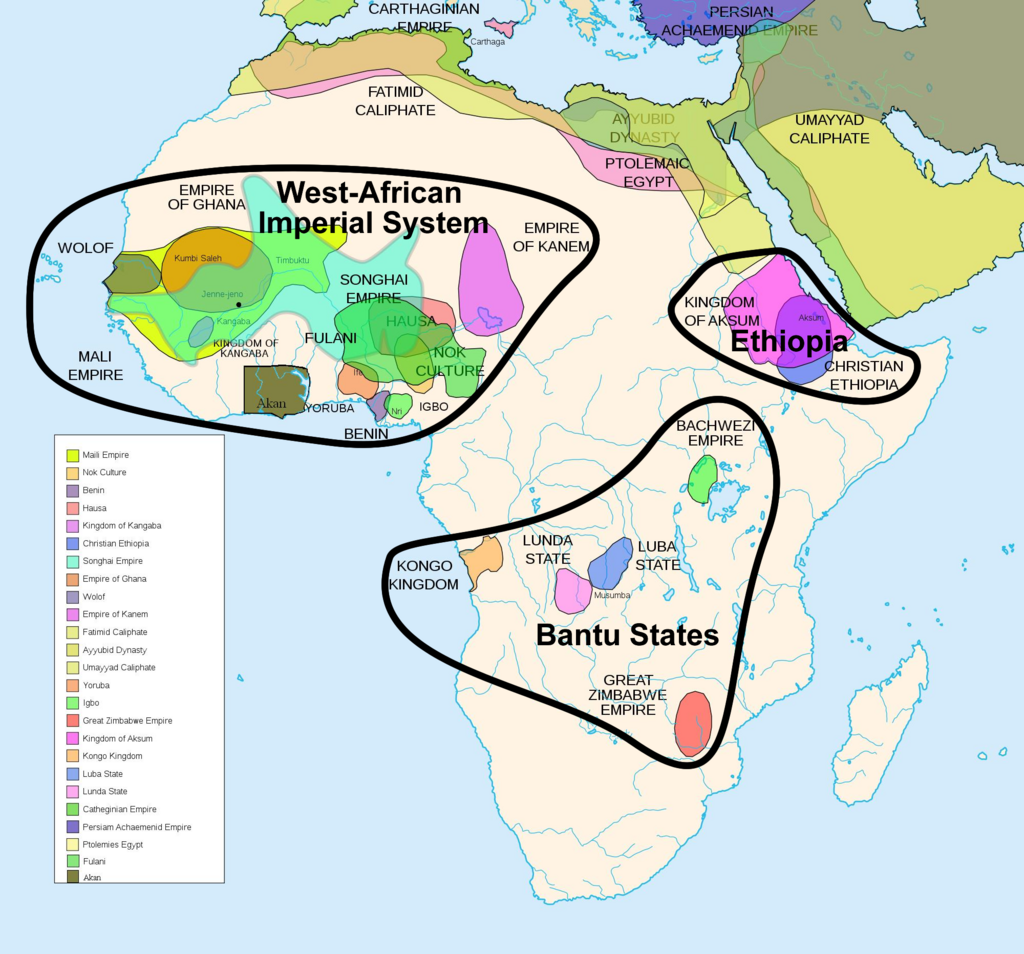
Governance wasn't one-size-fits-all. Political structures ranged from large, centralized states with powerful monarchs to smaller, 'stateless' societies organized around kinship and family ties. In these stateless societies, like that of the Igbo people in what is now Nigeria, decisions were often made by councils of elders and through community consensus. There was no single king or chief, but a shared system of governance that maintained order.
In centralized kingdoms, power was more hierarchical. A king or queen stood at the top, supported by a council of advisors, regional chiefs, and village headmen who managed local affairs. This structure allowed for large-scale administration, taxation, and the raising of armies.
Thriving Economies
The economic life of pre-colonial Africa was as varied as its politics. Agriculture was the foundation for most societies, with communities cultivating crops like sorghum, millet, yams, and bananas. But it was trade that built empires and connected the continent to the wider world.
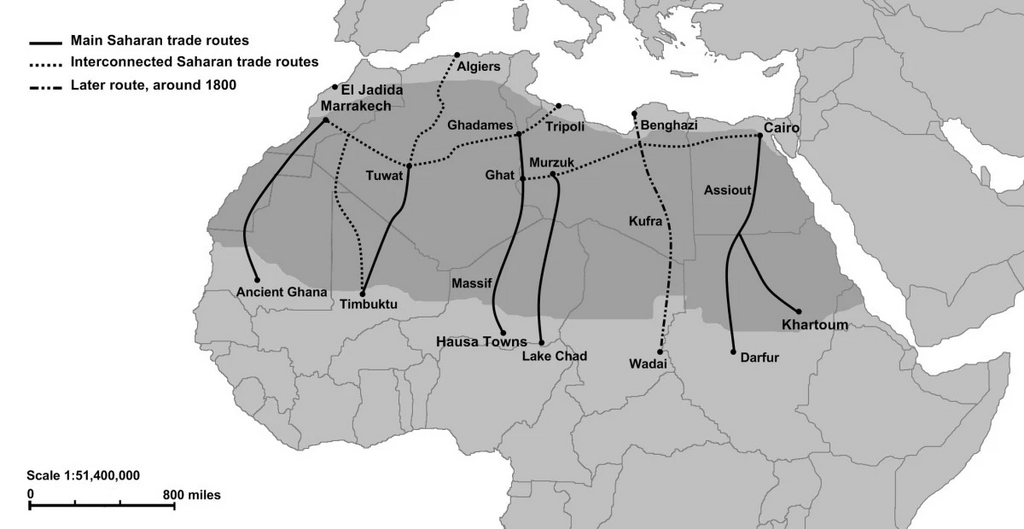
Elaborate trade networks crisscrossed Africa. Locally, markets were bustling centers of exchange. On a grander scale, the trans-Saharan trade routes were the arteries of West Africa. For centuries, caravans of camels transported gold, ivory, and salt across the vast desert, linking West African kingdoms with North Africa, the Middle East, and Europe.
On the eastern coast, the Swahili city-states, like Kilwa and Mombasa, became wealthy hubs in the Indian Ocean trade network. They connected the African interior with traders from Arabia, Persia, and India, exchanging goods like gold, iron, and animal products for cotton, silk, and porcelain.
Society and Culture
Social life revolved around the family and the community. Kinship—your network of relatives—was incredibly important, defining a person's rights, responsibilities, and social standing. Lineages, which traced ancestry back to a common figure, formed the basis of both social and political organization.
Cultural expression was rich and vibrant. African societies produced stunning works of art, from the intricate bronze sculptures of Benin to the carved wooden masks used in ceremonies. History and culture were passed down through generations not just by writing, but through powerful oral traditions. Specially trained storytellers, known as griots in West Africa, were the living libraries of their people, memorizing genealogies, historical events, and epic poems.
Religious beliefs were diverse. Many communities followed indigenous spiritual traditions, often centered on a creator god, lesser spirits, and the veneration of ancestors. By the pre-colonial era, Islam had become a major force in North and West Africa, while ancient forms of Christianity had long been established in Ethiopia and Egypt.
Empires of Note
Several great empires and kingdoms left a lasting mark on the continent. Their stories demonstrate the scale and sophistication of pre-colonial African civilizations.
| Empire/Kingdom | Region | Key Feature |
|---|---|---|
| Kingdom of Ghana | West Africa | Controlled the trans-Saharan gold and salt trade, becoming immensely wealthy. |
| Mali Empire | West Africa | Famous for its emperor, Mansa Musa, whose lavish pilgrimage to Mecca displayed Mali's incredible wealth. |
| Songhai Empire | West Africa | One of the largest states in African history, with Timbuktu as a major center of Islamic learning. |
| Kingdom of Aksum | East Africa | A major naval and trading power that adopted Christianity in the 4th century. |
| Great Zimbabwe | Southern Africa | Known for its massive stone structures, it was the center of a wealthy trading state. |
These are just a few examples from a continent of thousands of distinct societies. Each had its own unique history, political system, and cultural heritage long before the era of colonization began.