European Arrival and British Rule in India
Early European Exploration
A Sea Route to Spices
For centuries, Europeans craved the spices of the East. Pepper, cloves, and cinnamon were worth their weight in gold, but getting them was difficult. The goods traveled thousands of miles over land and sea, passing through many hands. By the time they reached Venice or Genoa, the prices were astronomical.
Portugal, a small nation on the Atlantic coast, felt cut off from this lucrative trade. Its leaders, particularly Prince Henry the Navigator, invested heavily in maritime technology and exploration. They sponsored voyages down the coast of Africa, pushing the boundaries of the known world. Their goal was audacious: to find a direct sea route to India and bypass the old trade monopolies.
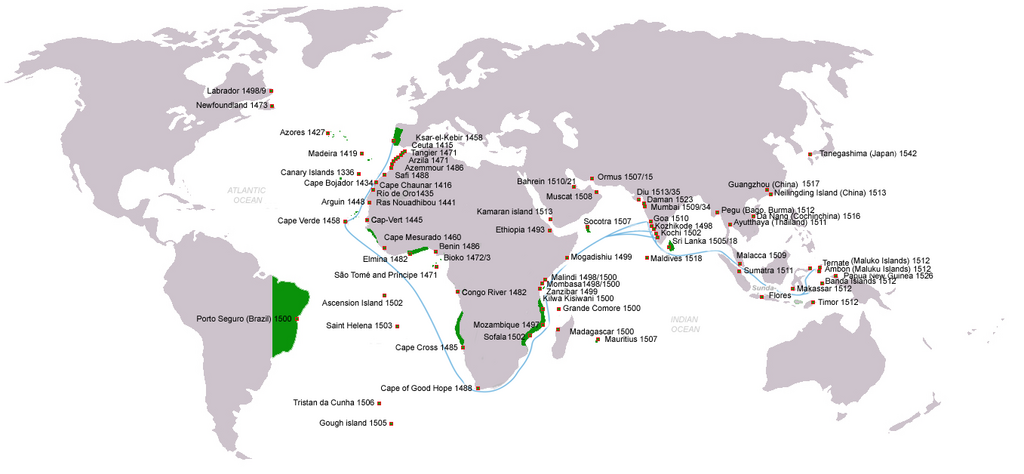
This quest culminated in 1497, when an explorer named Vasco da Gama set sail from Lisbon with four ships. Armed with the latest navigational tools, he successfully rounded Africa's Cape of Good Hope, a feat achieved by Bartolomeu Dias a decade earlier. But da Gama went further, pushing into the unknown waters of the Indian Ocean. After nearly a year at sea, he arrived in Calicut, a bustling port on the southwestern coast of India, in May 1498.
When Vasco da Gama, sailing on behalf of the Portuguese crown, became the first European to find a direct sea route to Asia in 1498, it was to Calicut that he headed in search of pepper and fine spices.
First Encounters
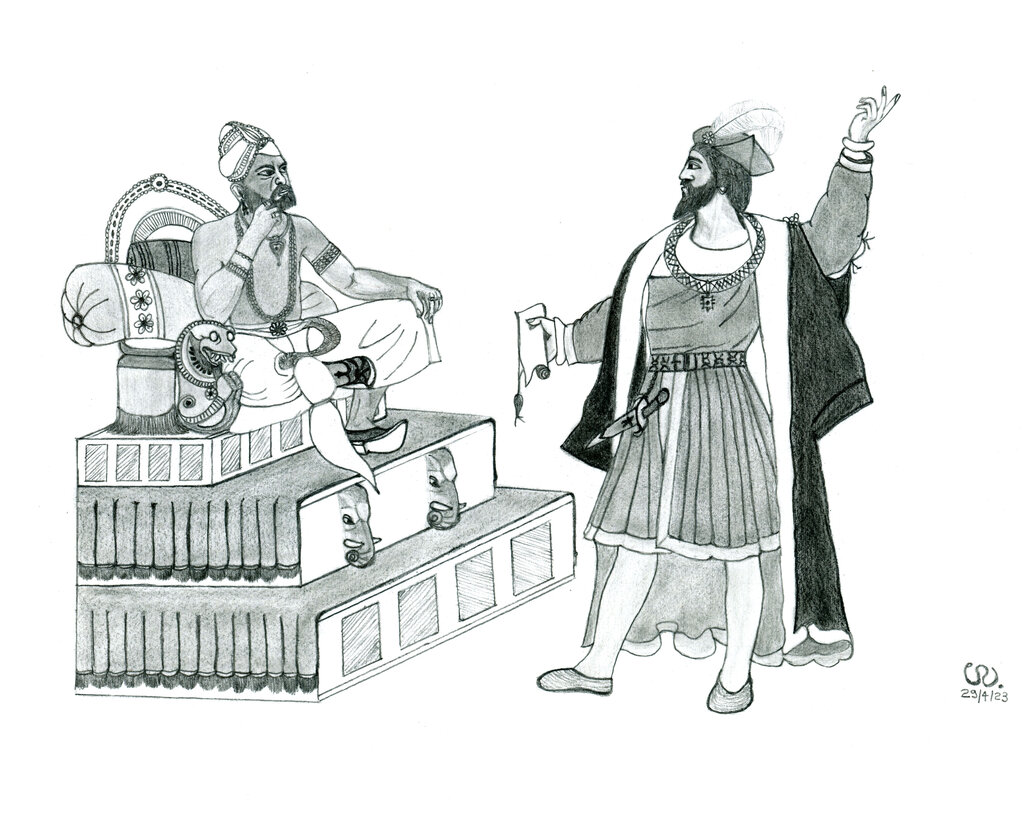
Calicut was a major hub in a thriving trade network that connected India with Africa, Arabia, and Southeast Asia. Da Gama and his men were brought before the local ruler, the Zamorin. The Portuguese hoped to establish a trading relationship, but their initial meeting was awkward.
The gifts they offered—commonplace European goods like woolen cloth, washbasins, and hats—were unimpressive compared to the gold and jewels the Zamorin was used to receiving from Arab merchants. The local traders saw the Portuguese not as serious partners, but as unsophisticated newcomers.
Despite a tense and largely unsuccessful attempt at trade, da Gama managed to leave with a small cargo of spices. The value of this cargo in Europe was immense, proving that the sea route was not only possible but incredibly profitable. The door to the East was now wide open for European ships.
From Trade to Control
Subsequent Portuguese voyages were not just for trade. They were military expeditions. Realizing they couldn't compete with established merchants on equal terms, the Portuguese used their superior naval firepower—ships armed with cannons—to seize control of the sea lanes.
They established fortified trading posts, called feitorias, at key coastal locations. In 1510, they conquered the city of Goa, making it the capital of their Asian empire, the Estado da Índia. From these bases, they sought to monopolize the spice trade by forcing other merchant ships to buy a permit, called a cartaz, to sail in the Indian Ocean. This strategy disrupted centuries-old trade patterns and announced a new, more aggressive European presence in the region.
The arrival of the Portuguese marked a profound shift. For the first time, a European power used military force not just to protect its merchants, but to control an entire ocean's commerce.
This new era also brought cultural and religious encounters. Portuguese missionaries arrived with the traders and soldiers, seeking to spread Christianity. This led to a complex exchange of ideas and beliefs, but also to conflict. The interaction between Europeans and Indians was a mixture of curiosity, commerce, and coercion, setting the stage for centuries of engagement that would reshape both societies.
Ready to test your knowledge?
What was the primary motivation for Portugal to find a direct sea route to India?
What was the most significant outcome of Vasco da Gama's first voyage to India?
The Portuguese arrival in India was more than a trading mission; it was the beginning of a new chapter in world history. It connected distant parts of the globe like never before and kicked off an age of increasing European influence in Asia.