Europe and the Iron Curtain in the 20th Century
Europe Before 1914
An Age of Empires
At the dawn of the 20th century, Europe was dominated by sprawling, powerful empires. The British Empire, on which the sun famously never set, controlled vast territories across the globe. France held significant colonies in Africa and Asia. In the heart of the continent, the newly unified German Empire was a rising industrial and military power.
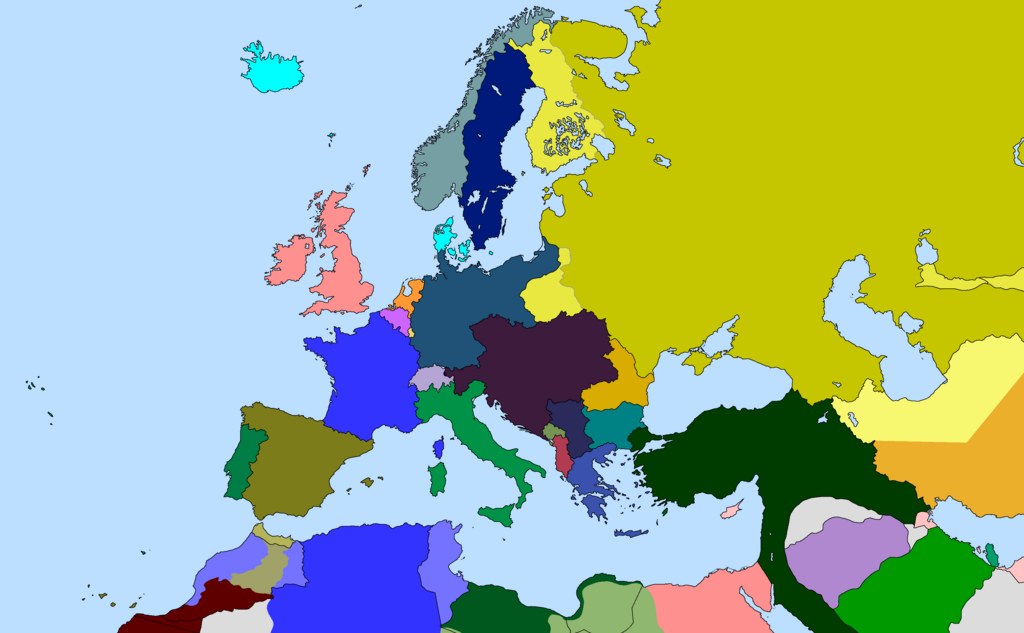
To the east were two massive, centuries-old domains: the Russian Empire, stretching from Poland to the Pacific, and the Austro-Hungarian Empire, a complex mosaic of different ethnicities in Central Europe. Further south, the Ottoman Empire, though weakened and often called the "sick man of Europe," still controlled territory in the Balkans and the Middle East. These empires were the major players, each vying for influence and power on a crowded stage.
The Alliance System
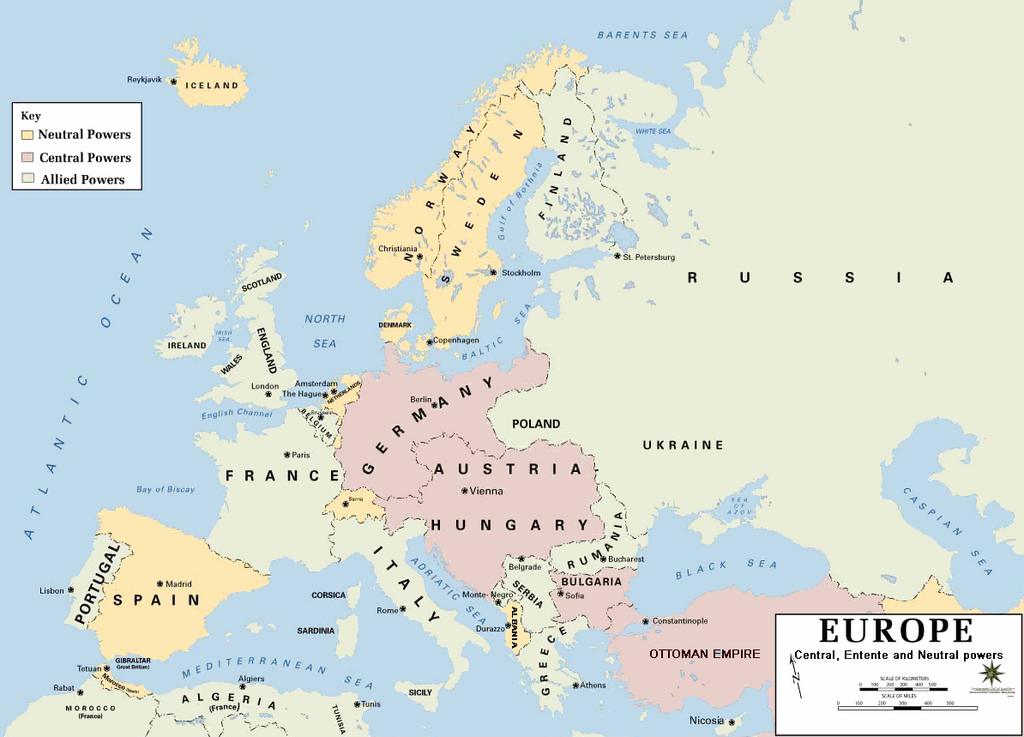
To protect themselves and maintain a delicate balance of power, these nations formed a complex network of military alliances. This system was meant to keep the peace through mutual deterrence. In reality, it created a continent-wide tripwire. Europe was divided into two armed camps.
An attack on one was considered an attack on all, ensuring that any small conflict could quickly escalate into a massive war.
The first major bloc was the Triple Alliance, formed by Germany, Austria-Hungary, and Italy. They pledged to support each other if attacked by another great power.
In response, the Triple Entente was formed, linking France, Russia, and Great Britain. It began as a series of separate agreements but evolved into a powerful counterweight to the Triple Alliance. This standoff meant that tensions between any two rival nations could pull everyone else into the fight.
Industry and Imperialism
Behind the political maneuvering was a massive economic transformation. The Industrial Revolution had reshaped European societies, creating immense wealth and new social classes. Factories churned out steel, chemicals, and textiles at an unprecedented rate. Railways crisscrossed the continent, moving goods and armies faster than ever before.
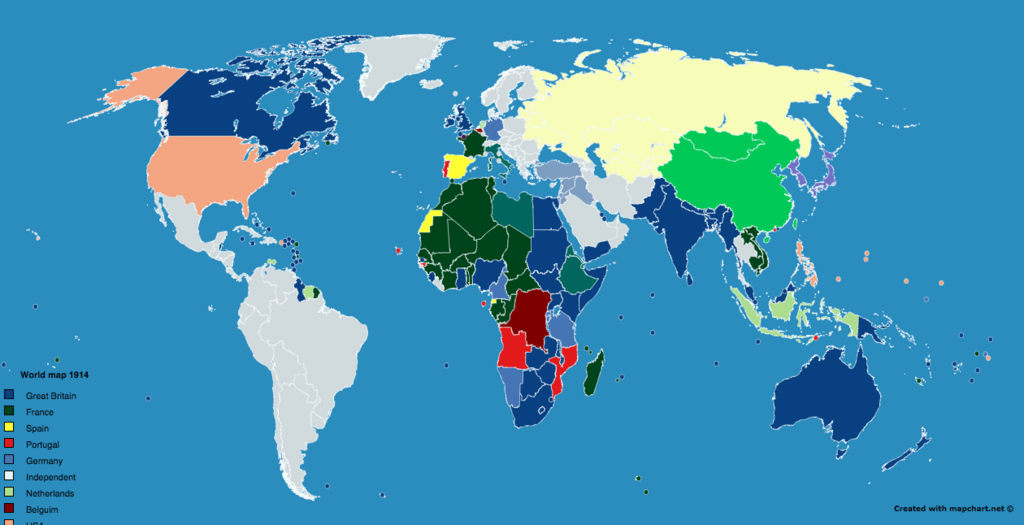
This industrial might fueled a new wave of imperialism. To secure raw materials for their factories and new markets for their goods, European powers competed fiercely for colonies around the globe, particularly in Africa and Asia. This colonial race created friction and rivalry, adding another layer of tension to an already strained continent.
A Rising Tide of Nationalism
Perhaps the most potent and unpredictable force at play was nationalism. This was the belief that people with a common language, culture, and history should have their own independent nation-state.
nationalism
noun
Identification with one's own nation and support for its interests, especially to the exclusion or detriment of the interests of other nations.
For some, like the Germans and Italians who had recently formed their own nations, nationalism was a powerful unifying force. But for the multi-ethnic empires of Austria-Hungary and the Ottoman Empire, it was a ticking time bomb.
Within these empires, groups like the Serbs, Poles, Czechs, and Arabs dreamed of breaking away to form their own nations. Nationalist movements grew, often leading to unrest and political assassinations. The Balkan Peninsula, in particular, became known as the "powder keg of Europe," a region where the competing interests of the great powers and the aspirations of nationalist groups were on a collision course.
Now, let's check your understanding of Europe's pre-war landscape.
Which of the following alliances, known as the Triple Entente, was formed as a counterweight to the Triple Alliance?
For which of the following empires did the force of nationalism pose the most significant internal threat of disintegration?
This combination of rigid alliances, imperial competition, industrial arms races, and fervent nationalism created an incredibly volatile environment. Europe in 1914 was a continent of great power and progress, but it was also balanced on a knife's edge.