Etsy Store Marketing Mastery
Understanding Etsy's Platform
What Makes Etsy Special?
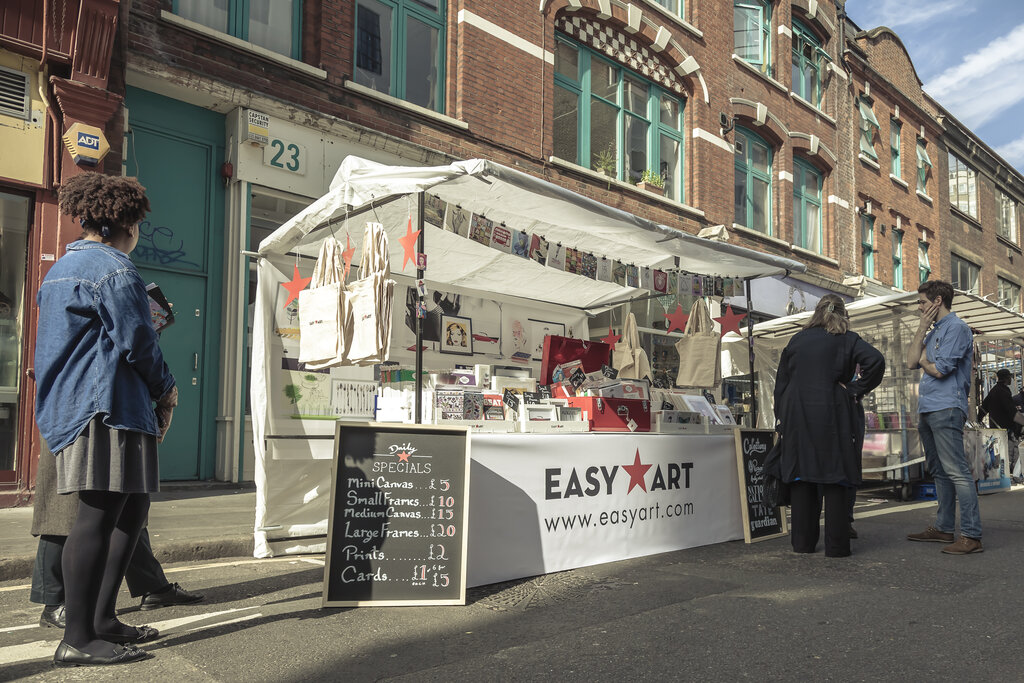
Etsy isn't just another online store; it's a bustling marketplace with a specific focus. Think of it as a massive, global craft fair. People come to Etsy looking for items with a personal touch that they can't find in big-box stores.
Etsy stands apart from conventional e-commerce sites by fostering a community specifically dedicated to handcrafted items, authentic vintage finds, and unique crafting materials.
Because of this focus, not everything can be sold on the platform. Your products must fall into one of four categories:
- Handmade: Items made or designed by you, the seller.
- Vintage: Items that are at least 20 years old.
- Craft Supplies: Tools, ingredients, or materials for creating an item or for a special occasion.
- Digital Products: Items like printable art, planners, or templates that you create and customers download.
Understanding the Costs
Selling on any platform involves fees, and Etsy is no different. Understanding these costs from the start helps you price your products correctly and manage your finances. The main fees are straightforward and can be broken down into three types.
The primary costs for an Etsy seller are listing fees, transaction fees, and payment processing fees. Each one is charged at a different stage of the selling process.
A listing fee is a flat charge for putting a product up for sale. A transaction fee is a percentage of the total sale price (including shipping). The payment processing fee covers the cost of securely handling the customer's payment. Here’s a quick breakdown of the standard fees for a U.S.-based seller.
| Fee Type | Cost | When It's Charged |
|---|---|---|
| Listing Fee | $0.20 USD | Per new or renewed listing |
| Transaction Fee | 6.5% of total order | When an item sells |
| Payment Processing | 3% + $0.25 USD | When an item sells |
Other fees, such as for advertising or shipping labels purchased through Etsy, may also apply depending on the services you choose to use.
Who Are You Selling To?
Before you list a single item, it's crucial to know who you're trying to reach. This is your target audience. Trying to sell to "everyone" is like trying to have a conversation in a crowded stadium by shouting. Instead, you want to speak directly to the person most likely to love what you make.
Understanding your buyers and the paths they take to get to the sale is an essential element of selling.
Defining your ideal customer helps you make better decisions about everything from product design to your shop's branding. Are you selling custom wedding invitations for young couples? Or are you creating quirky, pop-culture-themed art prints for college students? The way you describe your products, the photos you take, and even the prices you set will be different for each group.
Start by sketching out a simple profile of this person. What are their hobbies? What is their general age range? What's their style? Answering these questions gives your shop a clear direction and a much stronger foundation for growth.
Which of the following items would NOT be allowed for sale on Etsy, based on their core product categories?
According to the standard fee structure, which fee is a percentage of the total sale price, including shipping costs?
With a grasp of the platform, its costs, and your ideal customer, you're ready to start building your shop.