Etsy Marketing for Niche Products
Understanding Your Target Audience
Finding Your People
Before you can sell a single sticker, you need to know who you're selling to. Trying to appeal to everyone is a recipe for appealing to no one. For a product as specific as holographic fantasy animal stickers, your goal is to find the exact group of people who will be thrilled to discover what you've made. This isn't about guesswork; it's about research.
Understanding your target audience is the first step in developing effective sales strategies.
Think of it as finding your product's future biggest fans. Where do they hang out online? What other things do they love? What makes them excited to buy something? Answering these questions is the first step to building a successful business.
Market Research Techniques
Market research sounds intimidating, but it's really just strategic listening. For our sticker business, we're looking for clues about what potential customers want.
Start by exploring platforms where visual art thrives. Go to Etsy, Pinterest, and Instagram and search for terms like #fantasystickers, #holographicstickers, or #dndart. Pay attention to which posts get the most engagement. What creatures are featured? What art styles are popular? The comments and likes are a goldmine of information about what people are excited about right now.
Next, dive into online communities. Subreddits like r/dndart, r/Art, or r/stickerdeals are places where your potential customers gather. Facebook groups dedicated to fantasy novels, tabletop role-playing games (TTRPGs), or specific artists can also provide insight. Observe the conversations. What are they sharing? What kind of art do they praise? This helps you understand their tastes and values.
Analyze the Competition
Looking at what other sticker sellers are doing is a great way to understand the landscape. Your goal isn't to copy them, but to learn from them and find a gap in the market that you can fill. When you find a popular shop, don't just look at their products; dig into their customer reviews.
Reviews are direct feedback from your target audience. A comment like, “This phoenix sticker looks perfect on my D&D binder!” tells you a lot about the customer. They're likely a TTRPG player who values high-quality, thematic accessories for their hobby.
As you browse, keep track of a few key things for each competitor.
| Competitor | Best-Selling Animal | Art Style | Price | Who are the Customers? |
|---|---|---|---|---|
| StickerShop A | Dragon | Detailed, realistic | $4.50 | TTRPG players, fantasy readers |
| HoloWonders B | Unicorn | Cute, chibi-style | $3.75 | Younger audience, journalers |
| FantasyFoil C | Griffin | Minimalist, linework | $4.00 | Fans of modern, subtle designs |
This simple analysis can reveal patterns. Maybe you notice that while there are many realistic dragons, there aren't many stylized, holographic kitsune (fox spirits). That could be your niche.
Creating Customer Personas
Now it's time to pull all your research together into a customer persona. A persona is a fictional character that represents your ideal customer. Giving this person a name and a story makes it much easier to think about their needs and how to reach them.
Instead of thinking, “I need to market to people who like fantasy,” you can think, “What would Maya, the D&D player, want to see?” This simple shift makes your decision-making much more focused and effective.
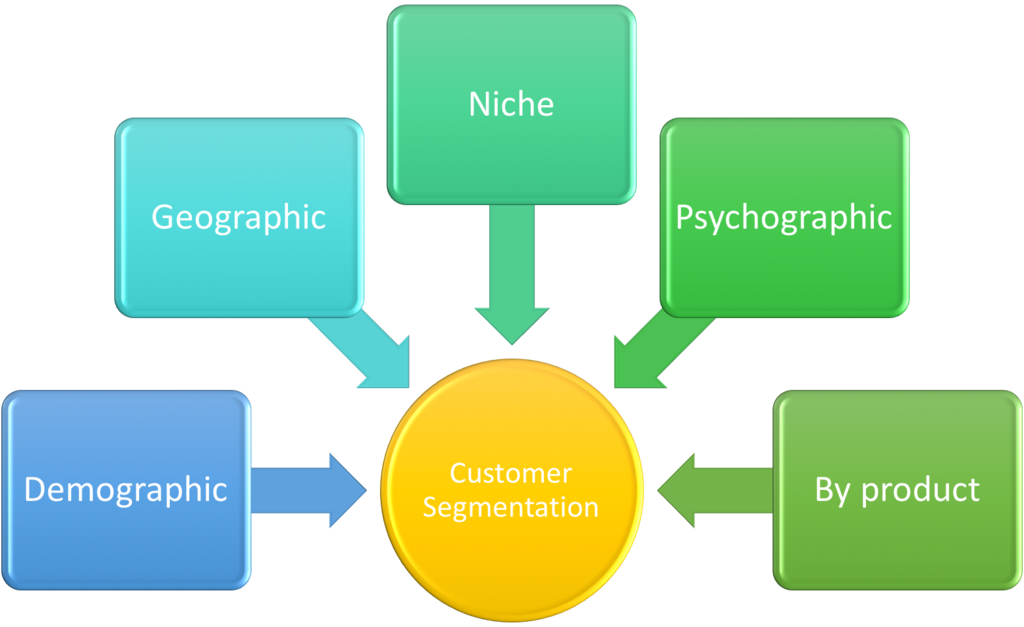
Let's build two different personas based on our research.
Persona 1: Maya, the Dungeon Master
- Who she is: A 28-year-old graphic designer who runs a weekly Dungeons & Dragons game for her friends.
- Interests: TTRPGs, fantasy novels, video games, collecting art from independent creators.
- Sticker Needs: She wants high-quality, unique stickers of epic creatures like dragons, beholders, and owlbears to decorate her campaign notebooks and laptop. She values originality and is willing to pay more for a design she can't find anywhere else.
Persona 2: Leo, the Journal Hobbyist
- Who he is: A 22-year-old college student who loves journaling and scrapbooking.
- Interests: Cottagecore aesthetic, magical girl anime, cozy video games like Stardew Valley, and stationery.
- Sticker Needs: He's looking for cute, whimsical stickers of creatures like unicorns, kirin, and moon rabbits. He wants stickers that have a vibrant holographic effect to make his journal spreads pop. He often buys sticker sheets with multiple smaller designs.
Maya and Leo are interested in the same product category (holographic fantasy stickers), but their specific needs and tastes are very different. By defining them clearly, you can decide who you want to serve. You might create an epic, detailed griffin sticker for Maya, and a sheet of cute, pastel unicorn stickers for Leo. This focused approach is far more powerful than creating a generic sticker and hoping someone buys it.
What is the primary goal of market research for a new, niche product like holographic fantasy stickers?
When analyzing a competitor's sticker shop, what does the text suggest is a 'goldmine of information' for understanding customer desires?
With a clear picture of your ideal customer, you're ready to start thinking about the products that will delight them.