Etsy Digital Product Store Launch
Etsy Basics
What Is Etsy?
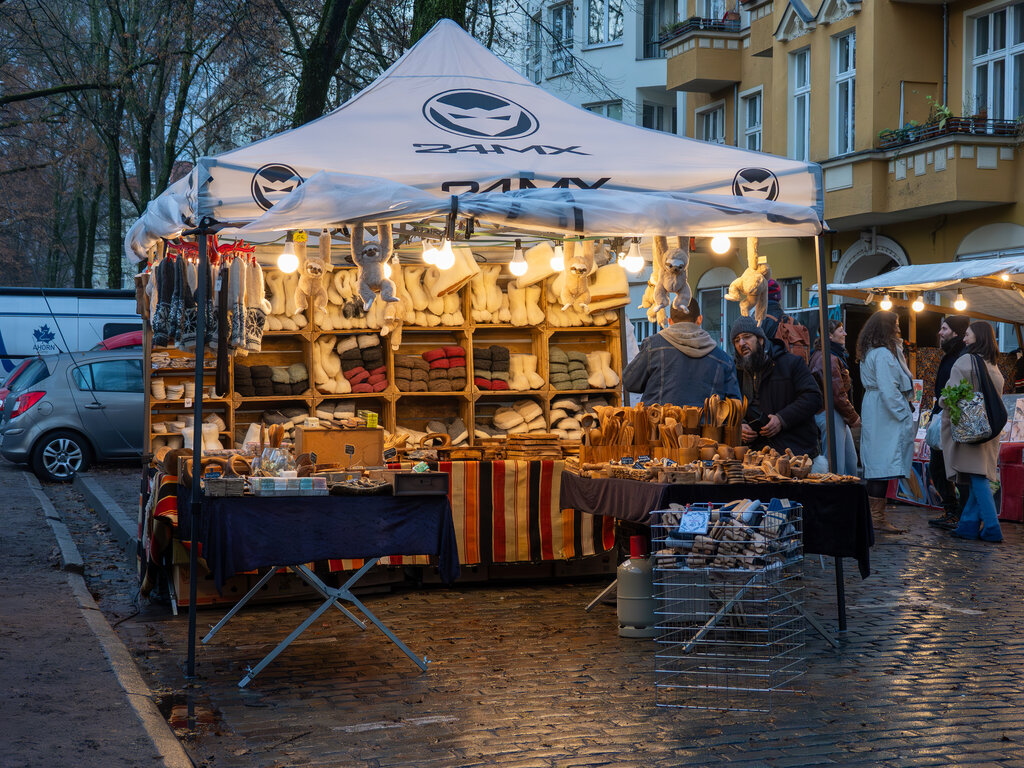
Think of Etsy as a massive, global craft fair that's open 24/7. It's an online marketplace where people from all over the world buy and sell unique goods. Unlike Amazon or Walmart, which focus on mass-produced items, Etsy's heart is in the unique, the handmade, and the hard-to-find.
Etsy stands apart from conventional e-commerce sites by fostering a community specifically dedicated to handcrafted items, authentic vintage finds, and unique crafting materials.
This focus attracts a specific kind of shopper: someone looking for a personal touch, a one-of-a-kind gift, or an item with a story. For sellers, it provides a platform to reach millions of these potential customers without needing to build a website from scratch.
What Can You Sell?
Etsy is specific about what can be listed in its marketplace. This helps maintain the platform's unique character. Generally, all products must fall into one of three main categories.
Your items must be handmade, vintage, or a craft supply.
Handmade items are things you've made or designed yourself. This could be anything from hand-knitted scarves and custom jewelry to original paintings and personalized mugs. If you're the creator, it fits here.
Vintage items are not just old things. To be considered vintage on Etsy, an item must be at least 20 years old. This category includes everything from 1970s clothing to antique furniture and retro collectibles.
Craft supplies are tools, ingredients, or materials that people use to create things. Examples include beads for jewelry making, specialty yarn for knitting, or blank stationery for artists.
The Digital Product Advantage
A growing and powerful category on Etsy is digital products. These are items that customers download directly after purchase. Think digital art prints, party invitation templates, planners, or even fonts.
The ability to sell globally without worrying about shipping and storage makes Etsy an ideal platform for digital entrepreneurs.
Selling digital goods has huge benefits. There's no inventory to store and no packages to ship. You create the product once, and you can sell it an infinite number of times. This creates a potential for passive income, where your shop can make sales even when you're not actively working on it. The overhead costs are incredibly low, making it a great way to start a business with minimal risk.
Understanding the Fees
Selling on Etsy isn't free, but the fees are straightforward. Understanding them is key to pricing your products correctly and ensuring you make a profit. There are three main types of fees to know.
| Fee Type | Amount | When It's Charged |
|---|---|---|
| Listing Fee | $0.20 USD | For each item you list. The listing lasts for 4 months or until it sells. |
| Transaction Fee | 6.5% of the total order amount | When you make a sale. This is calculated on the price plus shipping and gift wrapping. |
| Payment Processing Fee | Varies by country | When you make a sale. It's a percentage of the total sale price plus a small flat fee. |
For example, if you sell a $30 item to a buyer in the US, you'd pay a $0.20 listing fee. When it sells, you'd pay a 6.5% transaction fee ($1.95). You'd also pay a payment processing fee, which in the US is typically 3% + $0.25 (around $1.15). Your total fees would be roughly $3.30 for that sale.
Ready to check your understanding?
What is the primary focus of the Etsy marketplace?
To be listed as a 'vintage' item on Etsy, an object must be at least how old?
Now you have a solid grasp of what Etsy is, what you can sell, and how the fees work. This foundation is the first step toward building your own shop.