ETL Testing Fundamentals
Introduction to ETL Testing
What is ETL Testing?
Think of building a data warehouse like constructing a building. You get raw materials like wood and steel from different suppliers. You cut and shape them to fit your blueprints. Then, you assemble them to create the final structure. ETL testing is the quality control process at each step. Did you get the right materials? Were they shaped correctly? Are they in the right place?
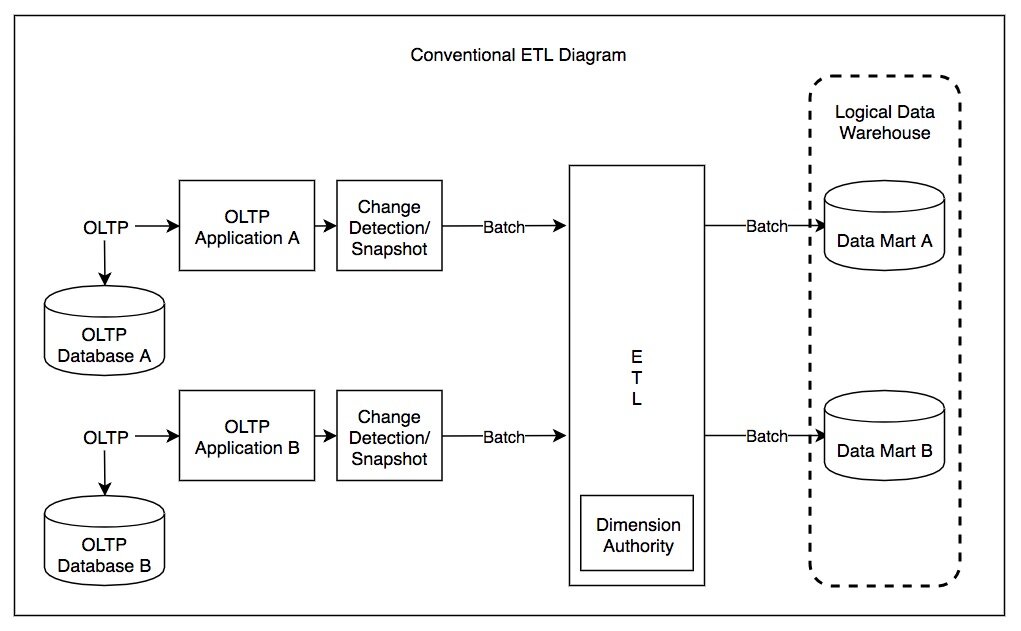
ETL stands for Extract, Transform, and Load. It’s the process of moving data from one or more sources into a final destination, like a data warehouse. ETL testing verifies that this process works exactly as intended. Its main job is to ensure the data that arrives at the destination is accurate, complete, and reliable.
The core purpose of ETL testing is to catch data issues before they affect business decisions. It’s about building trust in your data.
Why It Matters
Companies rely on data to make critical decisions. From marketing campaigns to financial forecasts, business intelligence (BI) reports guide strategy. These reports pull their information from a central data warehouse. If the data in that warehouse is flawed, the reports will be wrong, and the decisions based on them will be misguided.
Imagine a retail company analyzing sales data to decide which products to stock for the holiday season. An error in the ETL process might accidentally exclude sales data from a key region. Based on this incomplete picture, the company understocks a popular item, leading to lost sales and unhappy customers. ETL testing prevents these kinds of costly mistakes by ensuring the integrity of the data from the very beginning.
Breaking Down the Process
The ETL process consists of three distinct stages. Testing happens at each point to validate the data's journey.
Extract
verb
This is the first step, where data is pulled from its original sources. These sources can be incredibly varied, including databases, spreadsheets, text files, or even web services. The goal here is to get the raw data out of its original location and into a staging area for processing.
Testing in the extraction phase checks if the system pulled all the required data, and nothing more. It also verifies that the data wasn't corrupted during the transfer.
Transform
verb
Here's where the real work happens. The raw data is cleaned, validated, and reshaped to fit the needs of the business. Transformations can be simple, like converting date formats or removing duplicates. They can also be complex, like combining data from multiple sources or applying sophisticated business rules to calculate new metrics.
This stage is the most critical for testing, as it involves business logic. Testers must confirm that all the rules were applied correctly and that the data now conforms to the target format.
Load
verb
In the final step, the transformed data is loaded into the target system, which is typically a data warehouse or data mart. This process should be efficient and accurate, ensuring that all transformed data makes it to its new home without any loss.
Load-phase testing verifies that the data count in the source matches the data count in the destination after accounting for any transformations that might have filtered records. It also checks that the data was loaded without being truncated or mismatched.
Players and Problems
ETL testing isn't a one-person job. It's a team effort involving several key roles. Data Engineers build the data pipelines, Business Analysts define the transformation rules, and QA Testers design and execute the tests to find any discrepancies. Collaboration between these groups is essential for success.
Even with a great team, challenges are common. The sheer volume of data can make testing slow and difficult. Data from source systems can change format without warning, breaking the extraction process. The transformation logic can become incredibly complex and hard to verify. Performance is another major concern; an ETL job that takes too long can delay critical reports.
A primary challenge is dealing with "dirty" data from source systems. ETL processes must be robust enough to clean and standardize inconsistent information before loading it into the warehouse.
Understanding these core concepts is the first step. By verifying each stage of the Extract, Transform, and Load process, teams can build a reliable data foundation that empowers smart, data-driven decisions across the organization.