Ethnopolitics and Nationalism Dynamics
Introduction to Ethnopolitics
Ethnicity Meets Politics
What happens when you mix culture and politics? You get ethnopolitics. At its core, ethnicity is about a shared sense of identity among a group of people. This can be based on common ancestry, language, religion, culture, or territory. It's that feeling of belonging to a specific community with its own unique history and traditions.
Ethnopolitics
noun
The practice of politics in which ethnicity plays a central role. It examines how ethnic groups mobilize, compete for power, and influence political decisions and systems.
When this sense of group identity enters the political arena, we're talking about ethnopolitics. It’s the study of how ethnic groups act politically. This includes everything from forming political parties based on ethnic lines to conflicts over resources and recognition. Understanding this link is crucial because it shapes the political landscape of countries all over the world.
A Brief History
The idea of politics organized around ethnicity isn't new, but it took on a modern form with the rise of the nation-state in Europe. Before that, people were subjects of vast, multi-ethnic empires ruled by kings and emperors. Loyalty was often to a ruler or a religion, not necessarily to an ethnic group.
The 19th and 20th centuries changed everything. The idea that each “nation” or ethnic group should have its own state gained incredible power. This led to the breakup of old empires, like the Austro-Hungarian and Ottoman Empires, and the drawing of new borders, often intended to follow ethnic lines.
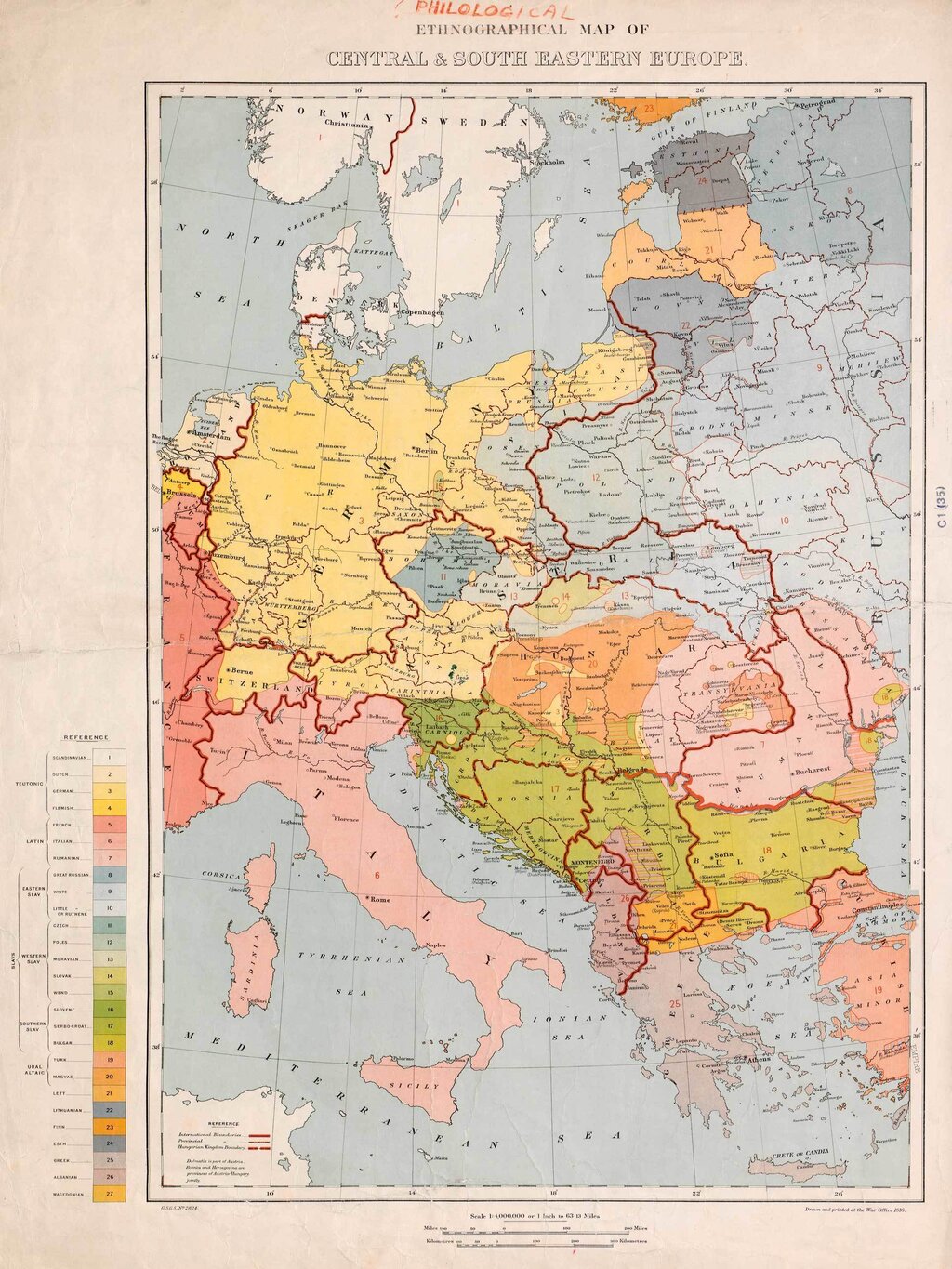
Colonialism spread these ideas globally. European powers often governed by favoring certain ethnic groups over others, creating tensions that lasted long after independence. In the post-colonial era, many new countries found that ethnic identity was a powerful force for mobilizing people, sometimes leading to cooperation and other times to tragic conflict.
Shared identity can be a powerful political tool. It can unite people to demand rights, representation, or even their own state.
Three Ways to See It
So, where does ethnic identity come from, and why is it so politically powerful? Scholars have debated this for decades, and three main schools of thought have emerged. They aren't mutually exclusive, but they offer different lenses for understanding the same phenomenon.
| Theory | Core Idea | View of Ethnicity |
|---|---|---|
| Primordialism | Ethnicity is a natural, deep-rooted part of human identity. | Fixed and ancient |
| Instrumentalism | Ethnicity is a tool used by leaders to achieve political or economic goals. | Flexible and strategic |
| Constructivism | Ethnicity is socially constructed and changes over time with context. | Fluid and modern |
Primordialism sees ethnic identity as something ancient and fundamental. Think of it like family ties. Proponents of this view believe these bonds are deeply ingrained, passed down through generations. They are seen as natural attachments that can stir powerful emotions, making them a potent force in politics.
Instrumentalism, on the other hand, offers a more cynical take. It argues that ethnicity is a resource, a tool that political leaders use to rally support and gain power. In this view, leaders might emphasize ethnic differences to mobilize followers, promising them resources or protection in exchange for loyalty. The identity itself isn't as important as how it's used.
Constructivism finds a middle ground. It agrees that ethnic identities aren't ancient and fixed, but it also doesn't see them as purely manipulative tools. Instead, constructivists argue that ethnicity is socially constructed. This means that our sense of ethnic identity is shaped by our social, economic, and political experiences. It’s real and meaningful to people, but it can also change and evolve. For example, a new law or a historical event could strengthen or weaken a group's sense of shared identity.
Each of these frameworks helps explain a piece of the puzzle. Sometimes, ethnic attachments feel deep and unchangeable. At other times, it's clear that political actors are using ethnicity for their own gain. And often, our identities are shaped by the world around us. Together, these theories provide a toolkit for understanding why ethnicity remains such a powerful and persistent force in politics.