Ethnic Idolatry Explored
Introduction to Idolatry
The Worship of Objects
Idolatry is the worship of a physical object, like a statue or an image, as if it were a god. It involves treating a created thing as the creator. This concept is a central theme in many religions, particularly the Abrahamic faiths: Judaism, Christianity, and Islam. Each tradition views it as a serious transgression, though they interpret it in slightly different ways.
idol
noun
A physical image or representation of a god used as an object of worship.
The word itself comes from the Greek eidolon, meaning "image" or "likeness," and latreia, meaning "worship." Together, they literally mean "image-worship."
Idolatry in Abrahamic Faiths
Judaism strictly forbids idolatry. It's seen as a violation of the fundamental relationship between God and humanity. This prohibition is one of the Ten Commandments given to Moses at Mount Sinai.
You shall have no other gods before me. You shall not make for yourself an image in the form of anything in heaven above or on the earth beneath or in the waters below.
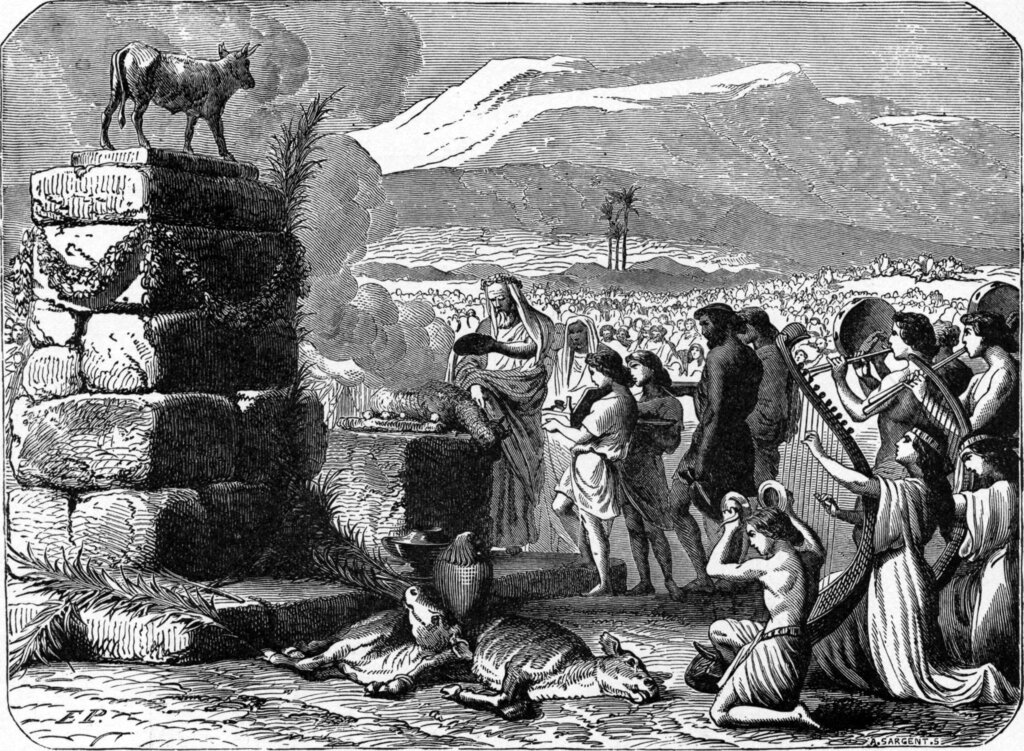
A famous example of idolatry in the Hebrew Bible is the story of the Golden Calf. While Moses was on Mount Sinai receiving the law from God, the Israelites, fearing he would not return, created a golden calf to worship. This act was a profound betrayal.
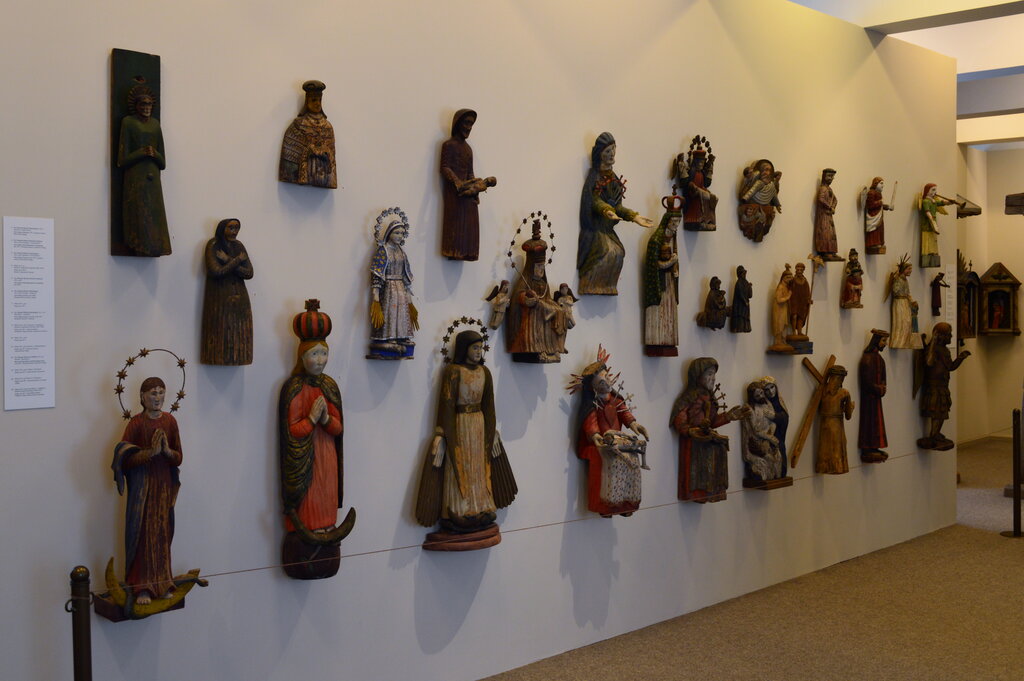
Christianity inherited Judaism's prohibition against idolatry. However, the use of images in worship has been a subject of debate throughout its history. Most Christian denominations, like Catholicism and Eastern Orthodoxy, use statues and icons of Jesus, Mary, and the saints. They make a key distinction between worship (latria), which is due to God alone, and veneration (dulia), which is a form of honor given to saints represented by the images. The idea is that the honor paid to the image passes to the person it represents, not that the object itself has power.
However, some Protestant traditions strongly oppose the use of any religious imagery, viewing it as a potential slide into idolatry. This tension led to periods of iconoclasm, or the destruction of religious images.
Islam has the strictest prohibition against idolatry, which is known as shirk. It is considered the only unforgivable sin. Shirk means associating partners with God, whether it's another deity, a person, or an object. This principle of God's absolute oneness, or Tawhid, is central to Islam. Because of this, Islamic religious art is typically aniconic, avoiding representations of God or prophets and instead focusing on calligraphy, geometry, and floral patterns.
Let's test your understanding of these core ideas.
The word "idolatry" is derived from the Greek words eidolon and latreia. What is its literal meaning?
Which story from the Hebrew Bible is the classic example of idolatry, where the Israelites created an object to worship while Moses was on Mount Sinai?
Across these traditions, the core issue with idolatry is that it misdirects worship away from the divine and toward the material world.