Ethics Paper Preparation
Introduction to Ethical Theories
What's the Right Thing to Do?
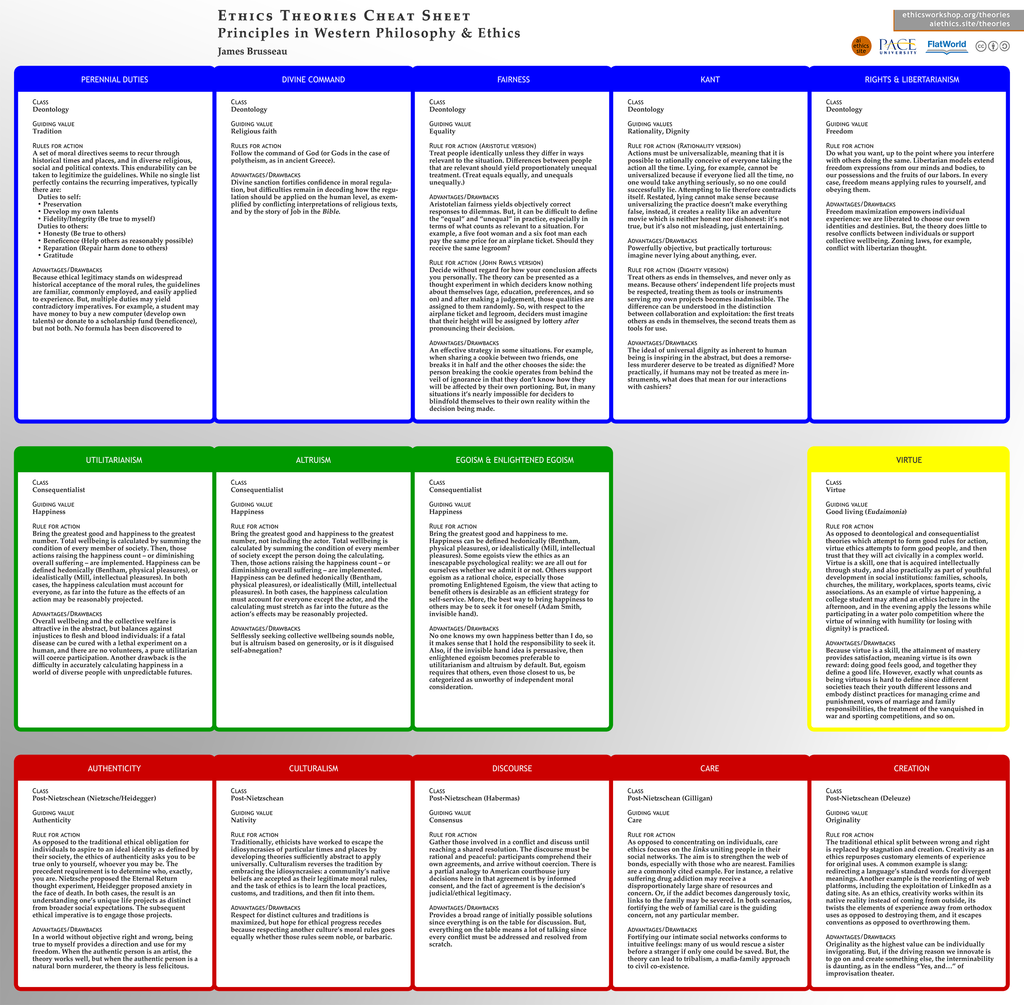
Figuring out the right thing to do can be tough. Is it always wrong to lie? Does the end justify the means? Philosophers have debated these questions for centuries. They've developed several frameworks, or ethical theories, to help us think through moral problems. These theories act like different lenses, each offering a unique perspective on what makes an action right or wrong. Let's explore four of the most influential ones.
Deontology: Following the Rules
Imagine a universal rulebook for behavior. That's the core idea behind deontology. This theory argues that certain actions are inherently right or wrong, regardless of their consequences. The focus is on our duties and the rules we must follow.
A classic deontological rule is "Do not lie." For a deontologist, lying is always wrong. It doesn’t matter if the lie is a small one to spare someone's feelings or a big one to prevent a disaster. The act of lying itself violates a moral duty.
The most famous deontologist, Immanuel Kant, proposed what he called the "Categorical Imperative." A simple way to think about it is to ask yourself: "What if everyone did this?" If the world would become a logically inconsistent or self-defeating place, then the action is morally wrong. For example, if everyone lied, promises would become meaningless, and the very concept of trust would fall apart.
In deontology, your intentions and your adherence to moral duties matter more than the outcome of your actions.
Consequentialism: It's All About the Results
If deontology is about the rulebook, consequentialism throws the book out and looks at the scoreboard. This theory judges an action based on its results. The most ethical choice is the one that produces the greatest good for the greatest number of people. This is the core of utilitarianism, the most well-known form of consequentialism.
Consider the famous trolley problem. A runaway trolley is about to hit five people tied to a track. You can pull a lever to switch the trolley to another track, where only one person is tied up. A strict consequentialist would likely pull the lever. The outcome—saving five lives at the cost of one—produces the most good.
Of course, this approach has its own challenges. How do we measure "good" or "happiness"? And are there certain actions, like sacrificing an innocent person, that are wrong no matter how good the consequences are? These are the tough questions consequentialists grapple with.
Virtue Ethics: Building Good Character
Virtue ethics takes a different approach. Instead of asking "What is the right thing to do?", it asks "What kind of person should I be?" This framework, with roots in ancient Greek philosophy from thinkers like Aristotle, focuses on character.
The idea is that by cultivating virtues—like honesty, courage, compassion, and justice—we will naturally make good decisions. A virtuous person doesn't need a rulebook or a calculator for consequences. They act correctly because it is part of their character to do so.
For example, when faced with a chance to lie, a virtue ethicist wouldn't just think about the rule against lying or the potential outcomes. They would consider what an honest person would do. The goal is to develop a moral compass that guides you toward virtuous behavior in all situations.
Virtue ethics is less about individual actions and more about the lifelong journey of becoming a good person.
Care Ethics: The Power of Relationships
Care ethics offers another perspective, shifting the focus to our relationships and responsibilities to others. Developed by feminist philosophers, this theory argues that traditional ethics often overemphasize impartiality and abstract principles, ignoring the importance of care, empathy, and interdependence.
From this viewpoint, morality is rooted in our connections with others. Our duties are not to abstract rules but to the specific people in our lives who depend on us. A decision is moral if it maintains and strengthens relationships and shows care for the well-being of others, especially the vulnerable.
Imagine a manager who needs to lay off an employee. A deontologist might focus on the duty to be honest. A consequentialist might calculate the economic benefit to the company. A care ethicist, however, would prioritize the impact on the employee and their family, seeking the most compassionate way to handle the situation and fulfill their responsibility of care.
These four theories are tools for your intellectual toolkit. Each provides a distinct way to analyze an ethical problem. Understanding them allows you to approach complex moral questions from multiple angles and build stronger, more thoughtful arguments.
Ready to test your understanding? This quiz will help you check your grasp of these foundational ethical theories.
Which ethical theory is best summarized by the phrase "the ends justify the means"?
According to Immanuel Kant's Categorical Imperative, you should act only according to principles that you could will to become a universal law. This is a core concept of which ethical framework?