Ethical Persuasion Techniques
Introduction to Ethical Persuasion
What is Ethical Persuasion?
We all use persuasion every day. When you suggest a restaurant to a friend, explain an idea to a colleague, or negotiate a deadline, you're trying to influence someone's thinking or actions. Persuasion is a natural part of human interaction. But there's a right way and a wrong way to do it.
Ethical persuasion is about influencing others while respecting their right to make their own choices. It's not about winning an argument at all costs. Instead, it's about presenting your case clearly and honestly, allowing the other person to make a well-informed decision. The goal is to find a solution that benefits everyone involved, not just yourself.
Ethical persuasion respects the recipient’s right to make informed choices, presents information honestly, and aims for mutually beneficial outcomes.
This approach is built on a foundation of integrity. It's about being truthful and transparent, even when it might be easier not to be. This builds trust, which is essential for any healthy personal or professional relationship.
Persuasion vs. Manipulation
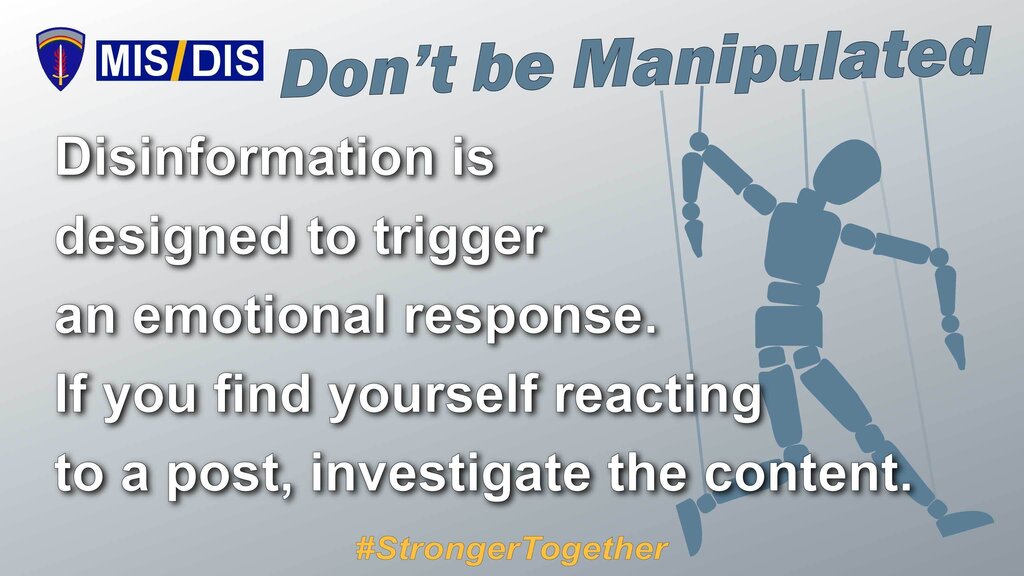
Where do we draw the line between influencing someone and manipulating them? The difference lies in intent and transparency. Ethical persuasion is an open conversation; manipulation is a hidden game.
Persuasion involves laying your cards on the table. You present facts, share your reasoning, and appeal to shared values. The other person is a willing participant in the discussion, free to agree or disagree.
Manipulation, on the other hand, involves deception, coercion, or exploiting someone's vulnerabilities. A manipulator might hide their true motives, use emotional pressure, or twist facts to get what they want. They see the other person not as a partner, but as a tool to achieve a goal.
| Feature | Ethical Persuasion | Manipulation |
|---|---|---|
| Intent | Mutual benefit | Self-interest |
| Method | Honesty, transparency | Deception, pressure |
| Outcome | Builds trust | Destroys trust |
| Respect | Respects autonomy | Undermines autonomy |
While manipulation might work in the short term, it almost always backfires. Once people realize they've been misled, trust is broken. This can permanently damage relationships, ruin reputations, and lead to poor, unsustainable outcomes.
Why Honesty Matters
Transparency and honesty aren't just moral ideals; they are practical tools for effective persuasion. When you are upfront about your intentions and reasoning, you invite collaboration. People are more likely to listen and engage with your ideas if they trust you're being straight with them.
Think of it like building a bridge. You can't construct a sturdy, reliable bridge with faulty materials and a shaky foundation. In the same way, you can't build a strong, lasting agreement on a foundation of lies or half-truths. Honesty provides the solid ground needed for both sides to meet in the middle.
Being transparent doesn't mean revealing every single detail of your strategy. It simply means being honest about the core issues and what you hope to achieve. This creates a positive environment where both parties can work together toward a common goal, rather than against each other.
Ethical persuasion is a long-term strategy. It invests in relationships and builds a reputation for being fair and trustworthy.
Before you try to persuade someone, pause and check your own motives. Are you being honest? Is your goal a win-win outcome? Answering these questions first helps ensure you stay on the right side of the line between persuasion and manipulation.
What is the primary difference between ethical persuasion and manipulation?
A key goal of ethical persuasion is to achieve a 'win-win' outcome where both parties benefit.
By focusing on ethical persuasion, you can influence others effectively while strengthening your relationships and maintaining your integrity.