Ethical Persuasion Techniques
Introduction to Persuasion
What is Persuasion?
Persuasion is the art of communicating to guide someone toward a particular idea, attitude, or action. It’s not about winning an argument or forcing your will on others. Instead, it’s a process of presenting your case in a way that resonates, helping others see a shared benefit or a different perspective.
We use persuasion every day, often without thinking about it. When you suggest a movie to a friend, negotiate a deadline at work, or convince your family to try a new restaurant, you're practicing persuasion. It's a fundamental skill for collaboration and navigating social life. Effective persuasion builds bridges, fosters understanding, and helps people work together to achieve common goals.
The Line Between Persuasion and Manipulation
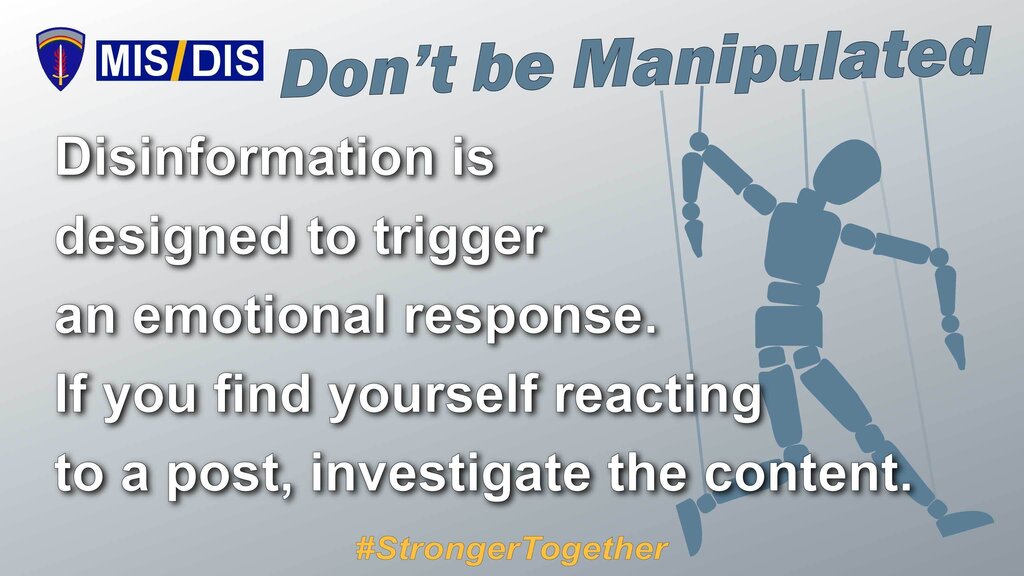
While persuasion is about creating mutual understanding, manipulation aims to control or deceive. The key difference lies in intent and transparency. Persuasion is an honest appeal to someone's thinking, values, or emotions, respecting their right to choose freely. It works toward a win-win outcome.
Manipulation, on the other hand, involves hiding your true intentions, using deception, or exploiting vulnerabilities for personal gain. It's a win-lose strategy that often damages trust and relationships when discovered.
Ethical persuasion respects the recipient’s right to make informed choices, presents information honestly, and aims for mutually beneficial outcomes.
Think of it this way: persuasion is like a transparent debate where all cards are on the table. Manipulation is a rigged game where one player has hidden aces up their sleeve.
| Characteristic | Ethical Persuasion | Manipulation |
|---|---|---|
| Intent | To find mutual benefit; a win-win | To gain advantage; a win-lose |
| Transparency | Honest and open communication | Deceptive or hidden motives |
| Outcome | Builds trust and relationships | Erodes trust and relationships |
| Autonomy | Respects the other's right to choose | Undermines the other's ability to choose freely |
Why Persuasion Works
Persuasion is effective because it taps into the fundamental ways our brains make decisions. We like to think of ourselves as purely logical beings, but our thinking is often guided by mental shortcuts, known as cognitive biases. These are patterns of thinking that help us process information quickly, but they aren't always perfectly rational.
For example, the framing effect shows that how information is presented can drastically change our perception. Ground beef described as "80% lean" sounds much more appealing than the exact same product labeled "20% fat." A skilled persuader understands this and frames their message in the most positive and relatable light.
Another common bias is confirmation bias, our tendency to favor information that confirms our existing beliefs. Instead of challenging someone's worldview head-on, an effective persuader might find common ground and build their case from there, making their ideas easier to accept.
By understanding these psychological foundations, we can learn to present our ideas more effectively. It’s not about exploiting these biases, but about communicating in a way that aligns with how people naturally think and process the world.
What is the primary goal of persuasion as described in the text?
Which of the following best distinguishes persuasion from manipulation?
Understanding the core concepts of persuasion is the first step toward becoming a more effective and ethical communicator in any situation.