Ethical Persuasion Strategies
Introduction to Persuasion
What is Persuasion?
Every day, we engage in persuasion. It happens when you recommend a restaurant to a friend, negotiate a deadline at work, or even decide with your family what to watch on TV. Persuasion isn't about arguing or winning; it's the art of guiding someone toward a particular choice, action, or belief through reasoning and communication.
Persuasion
noun
The process of influencing a person's attitudes, beliefs, or behaviors through communication, reasoning, or appeal.
At its core, persuasion is a collaborative process. It's not about forcing your will on others. Instead, it involves presenting information and arguments in a way that helps people see things from a new perspective and, ideally, arrive at a conclusion that benefits everyone involved. It's a fundamental part of human interaction, helping us build consensus, make decisions, and work together.
Persuasion vs. Manipulation
The line between persuasion and manipulation can seem blurry, but the distinction is critical. The key difference lies in intent and transparency.
Ethical persuasion aims for a win-win outcome. Manipulation seeks a win-lose outcome, where the manipulator benefits at the other person's expense.
Persuasion works with open communication. It respects a person's ability to think for themselves and make their own choice. It relies on honest arguments, clear evidence, and shared goals.
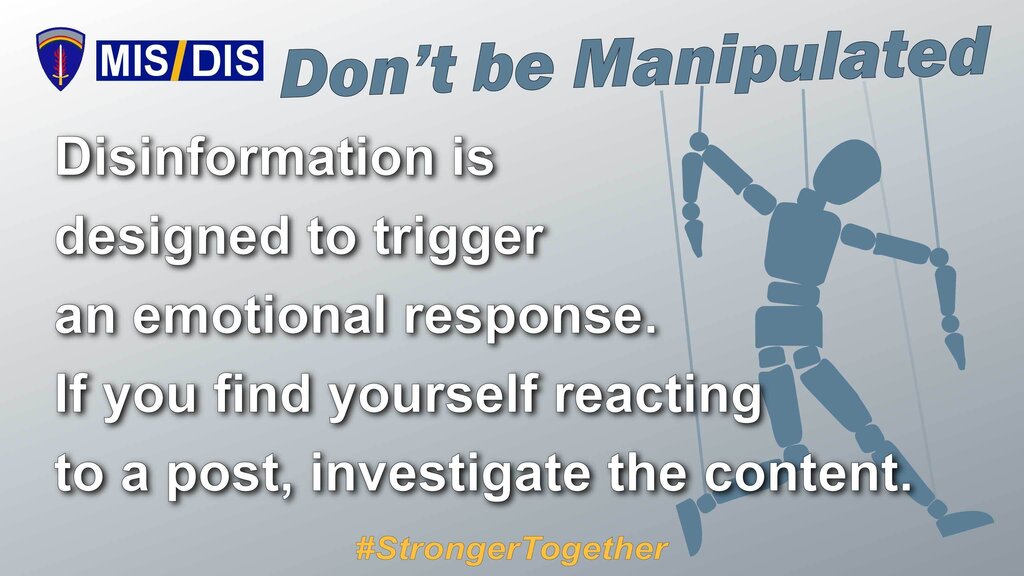
Manipulation, on the other hand, often involves deception, coercion, or exploiting someone's vulnerabilities. It hides the true intent and aims to trick or pressure someone into a decision they wouldn't make if they had all the information.
Let's break down the differences.
| Feature | Ethical Persuasion | Manipulation |
|---|---|---|
| Intent | Mutual benefit, win-win | Selfish gain, win-lose |
| Method | Honest, transparent, logical | Deceptive, hidden, emotional pressure |
| Outcome | Informed, voluntary choice | Coerced or tricked decision |
| Relationship | Builds trust and respect | Damages trust and relationships |
Why We're Persuaded
Our brains are constantly making decisions, and to do so efficiently, they rely on mental shortcuts called heuristics. Think of them as rules of thumb that help us navigate the world without having to analyze every single piece of information. For example, if a product has thousands of positive reviews, we might use the "social proof" shortcut to assume it's a good purchase.
These shortcuts work well most of the time, but they can also lead to predictable errors in judgment. These errors are known as cognitive biases.
Ethical persuasion respects the recipient’s right to make informed choices, presents information honestly, and aims for mutually beneficial outcomes.
Understanding these biases is key to understanding persuasion. An ethical persuader might frame information in a way that helps someone overcome a harmful bias. A manipulator might exploit a bias for personal gain. Let's look at a couple of common ones.
Anchoring
noun
The tendency to rely too heavily on the first piece of information offered (the "anchor") when making decisions.
If a salesperson starts by showing you a $1,000 watch, the $300 watch they show you next seems much more reasonable. The first number acts as an anchor that influences your perception of the second. This happens even when the anchor is completely arbitrary.
Another powerful bias is confirmation bias.
Confirmation
noun
The tendency to search for, interpret, favor, and recall information in a way that confirms or supports one's preexisting beliefs or hypotheses.
This means we tend to embrace information that supports our beliefs while ignoring information that contradicts them. It feels good to be right, so our brains are wired to look for evidence that proves we are. This can make it very difficult to change someone's mind with facts alone, as they may simply disregard any evidence that doesn't fit their existing worldview.
What is the primary goal of persuasion as described in the text?
The key factor that distinguishes persuasion from manipulation is:
Understanding the basics of persuasion, its ethical boundaries, and the psychological tendencies we all share is the first step toward becoming a more effective and responsible communicator.