Ethical Persuasion Power
Introduction to Ethical Persuasion
What is Ethical Persuasion?
Ethical persuasion is the art of influencing others while maintaining integrity and respect. It's not about winning an argument at all costs. Instead, it's about communicating your perspective clearly and honestly to find a solution that benefits everyone involved.
The goal is to guide someone toward a decision or point of view without compromising their ability to choose freely. Think of it as a collaborative conversation, not a battle of wills. It’s based on logic, mutual understanding, and shared values.
At its core, ethical persuasion is about creating a win-win situation. Your success is tied to the other person's success.
Persuasion vs. Manipulation
The line between persuasion and manipulation can seem blurry, but the distinction is critical. The key difference lies in intent and transparency.
Ethical persuasion is open and honest. It lays the facts on the table and respects the other person's intelligence and autonomy. Manipulation, on the other hand, relies on deception, half-truths, or emotional pressure to corner someone into a decision they might not otherwise make. It prioritizes one person's gain at another's expense.
| Ethical Persuasion | Manipulation |
|---|---|
| Transparent and honest | Deceptive or hidden |
| Focuses on mutual benefit | Self-serving at others' expense |
| Respects autonomy | Undermines free choice |
| Builds long-term trust | Destroys relationships |
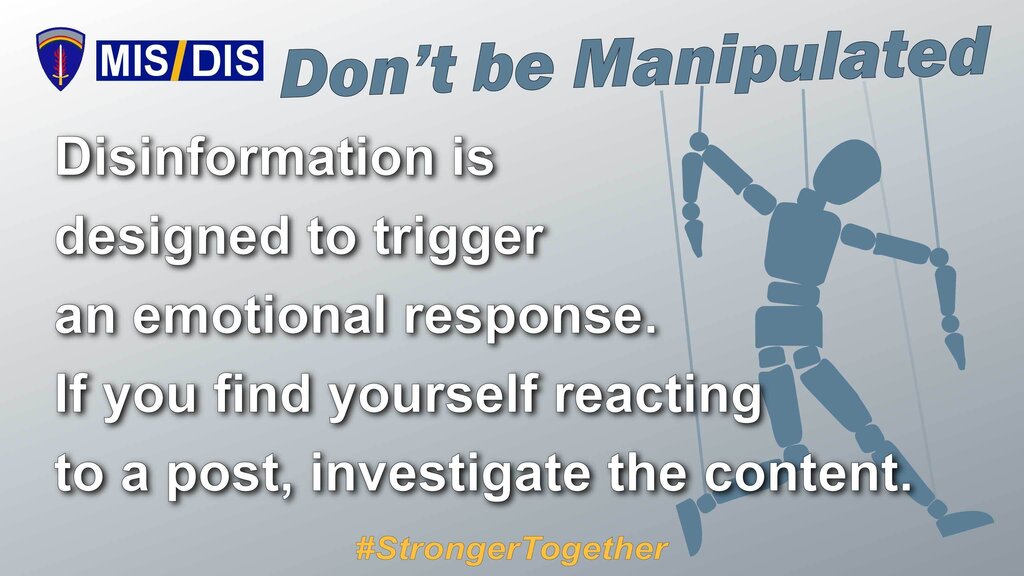
Manipulative tactics often play on fear, guilt, or other strong emotions to cloud judgment. This approach might work in the short term, but it almost always damages trust and ruins relationships once the deception is revealed.
Ethical persuasion begins with empathy and understanding the other party’s perspectives and needs.
The Foundation of Trust
Every healthy relationship, whether personal or professional, is built on a foundation of trust. Ethical persuasion strengthens that foundation. When you are consistently honest, transparent, and respectful, people learn that they can rely on you. They know you have their best interests at heart, even when you disagree.
Think of trust like a bridge. Each honest interaction adds a strong plank. Each deceptive act removes one, weakening the entire structure. A manipulator might get someone to cross the bridge once by hiding the weak spots, but eventually, that bridge will collapse. An ethical persuader builds a bridge so strong that people are happy to cross it again and again.
By committing to ethical persuasion, you invest in your relationships and your own credibility. It’s a powerful approach that fosters positive outcomes for everyone.
Let's review the key concepts we've covered.
Now, check your understanding of these core ideas.
What is the primary goal of ethical persuasion?
The most critical difference between ethical persuasion and manipulation lies in the persuader's intent and transparency.
Practicing ethical persuasion isn't just about being a good person, it’s about being effective. When you build trust and focus on mutual benefit, you create stronger, more lasting agreements and relationships.