Ethical Persuasion Power
Introduction to Ethical Persuasion
What Is Ethical Persuasion?
Persuasion is a part of everyday life. We use it when we recommend a movie to a friend, negotiate a deadline at work, or discuss plans with family. At its core, persuasion is about influencing others to see your point of view or agree to a course of action.
Ethical persuasion does this with a crucial difference: it’s grounded in honesty, respect, and a genuine concern for the other person's interests. It's not about winning an argument at any cost. Instead, it’s about finding common ground and working toward an outcome that benefits everyone involved. The goal is to guide, not to trick.
Ethical persuasion respects the recipient’s right to make informed choices, presents information honestly, and aims for mutually beneficial outcomes.
Think of it as a conversation built on transparency. You present your case clearly, provide honest reasons, and respect the other person's right to disagree. This approach fosters cooperation and helps build stronger, more positive relationships.
Persuasion vs. Manipulation
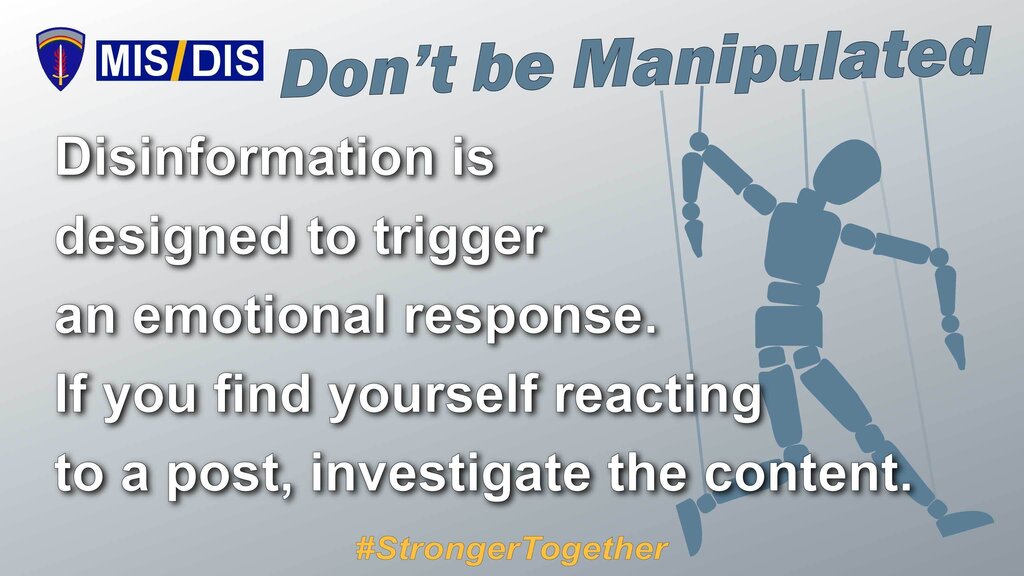
It's easy to confuse persuasion with manipulation, but they are fundamentally different. The line between them is intention. Persuasion seeks to create a win-win situation through open communication. Manipulation, on the other hand, is about getting what you want by deceiving, coercing, or exploiting someone's vulnerabilities for your own gain. It’s a selfish act that often leaves the other person feeling used or misled.
Here’s a simple breakdown of the key differences:
| Feature | Ethical Persuasion | Manipulation |
|---|---|---|
| Intent | Mutual benefit | Selfish gain |
| Transparency | Honest and open | Deceptive and hidden |
| Respect | Values the other person's autonomy | Disregards the other person's autonomy |
| Outcome | Builds long-term relationships | Damages trust and relationships |
If you find yourself hiding information or pressuring someone into a decision they're not comfortable with, you’ve likely crossed the line from persuasion into manipulation.
The Foundation of Trust
Why does this distinction matter so much? Because effective, long-term influence is impossible without trust. When people believe you are credible and have their best interests at heart, they are more willing to listen to you and consider your ideas.
Trust, or rapport, is the foundation of ethical persuasion.
Credibility isn't built overnight. It comes from a consistent pattern of honest communication and reliable behavior. You establish it by being knowledgeable about what you're discussing, being transparent about your intentions, and demonstrating empathy for the other person’s perspective.
When you persuade ethically, you're not just trying to achieve an immediate goal. You're investing in a relationship. That foundation of trust makes future conversations easier and more productive, whether in a professional negotiation or a simple chat with a friend.
Ready to check your understanding?
What is the primary goal of ethical persuasion?
What is the key factor that distinguishes persuasion from manipulation?
Ethical persuasion is a skill that strengthens both your arguments and your relationships. By focusing on honesty, mutual benefit, and respect, you can influence others in a way that is both effective and honorable.