Ethical Persuasion Power
Introduction to Persuasion
What Is Persuasion?
Persuasion is the art of guiding someone toward a particular idea, attitude, or action. It’s a fundamental part of human interaction. We use it when we convince our friends to see a certain movie, when a manager rallies a team behind a new project, or when a nonprofit inspires donations for a cause.
It’s not about winning an argument or forcing your will on others. True persuasion is about clear communication and finding common ground. The goal is to present your case in such a compelling way that others willingly agree with you. When done right, it strengthens relationships and helps people work together more effectively.
Think of it as building a bridge to someone else's point of view, not tearing their old one down.
The Ethical Line
The line between persuasion and manipulation can be thin, but it's a critical one. The difference lies in intent and transparency.
Ethical persuasion is honest. It respects a person's ability to make their own choice and provides truthful information to help them do so. The aim is often a mutually beneficial outcome, where both parties feel good about the decision. It's about collaboration.
Manipulation, on the other hand, is deceptive. It preys on vulnerabilities and conceals true intentions to serve a selfish goal. It works by restricting choice, either through pressure, misinformation, or exploiting emotions. While it might work in the short term, manipulation erodes trust and damages relationships.
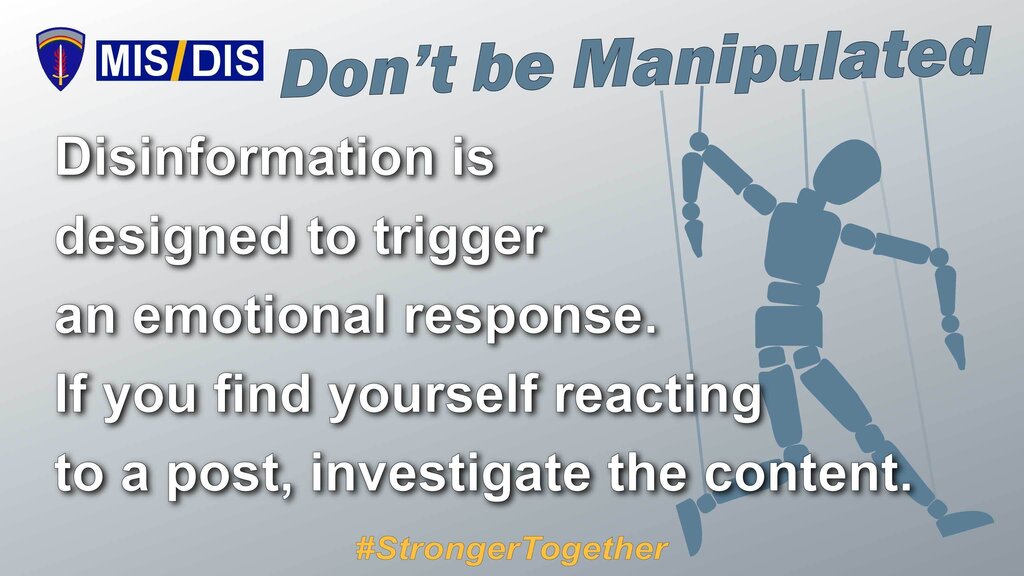
Ethical persuasion respects autonomy and builds mutual benefit. Manipulation seeks control and erodes trust.
How Persuasion Works
Our brains are constantly looking for shortcuts to make decisions faster. We can't analyze every single piece of information, so we rely on mental rules of thumb. Persuasion often works by tapping into these psychological tendencies.
For example, we are naturally inclined to:
- Trust experts: We give more weight to opinions from credible sources.
- Reciprocate kindness: If someone does something for us, we feel an urge to do something in return.
- Follow the crowd: We often look to what others are doing to guide our own behavior, assuming it’s the correct way to act.
Understanding these underlying mechanisms is the first step to becoming a more effective and ethical persuader. It's not about exploiting these tendencies, but about aligning your message with the natural ways people process information and make choices.
Ready to check your understanding?
What is the primary goal of true persuasion?
Which factor is the most critical distinction between ethical persuasion and manipulation?
By understanding what persuasion is, where the ethical lines are drawn, and the basic psychology behind it, you have a solid foundation for influencing others in a positive and respectful way.